
International Law and Japanese Sovereignty
The Emerging Global Order in the 19th Century
Inbunden, Engelska, 2016
2 229 kr
Beställningsvara. Skickas inom 10-15 vardagar. Fri frakt för medlemmar vid köp för minst 249 kr.
How does a nation become a great power? A global order was emerging in the nineteenth century, one in which all nations were included. This book explores the multiple legal grounds of Meiji Japan's assertion of sovereign statehood within that order: natural law, treaty law, international administrative law, and the laws of war. Contrary to arguments that Japan was victimized by 'unequal' treaties, or that Japan was required to meet a 'standard of civilization' before it could participate in international society, Howland argues that the Westernizing Japanese state was a player from the start. In the midst of contradictions between law and imperialism, Japan expressed state will and legal acumen as an equal of the Western powers – international incidents in Japanese waters, disputes with foreign powers on Japanese territory, and the prosecution of interstate war. As a member of international administrative unions, Japan worked with fellow members to manage technical systems such asthe telegraph and the post. As a member of organizations such as the International Law Association and as a leader at the Hague Peace Conferences, Japan helped to expand international law. By 1907, Japan was the first non-western state to join the ranks of the great powers.
Produktinformation
- Utgivningsdatum2016-02-19
- Mått140 x 216 x 19 mm
- Vikt450 g
- FormatInbunden
- SpråkEngelska
- Antal sidor232
- Upplaga16001
- FörlagPalgrave Macmillan
- ISBN9781137571083
Tillhör följande kategorier
Hoppa över listan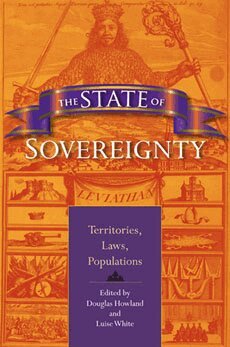
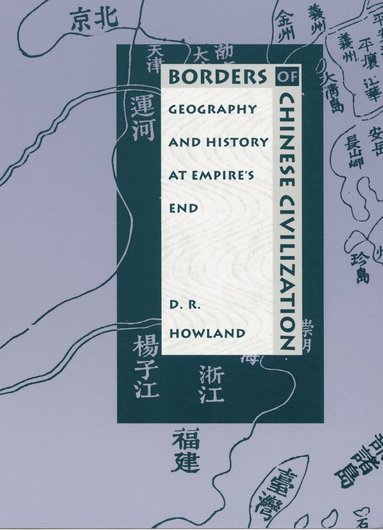
Mer från samma författare
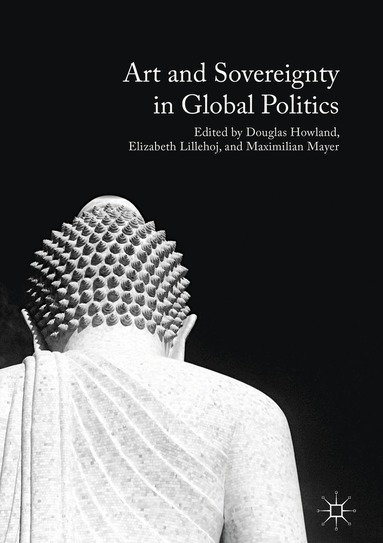
Art and Sovereignty in Global Politics
Douglas Howland, Elizabeth Lillehoj, Maximilian Mayer
Inbunden, 2016
2 069 kr
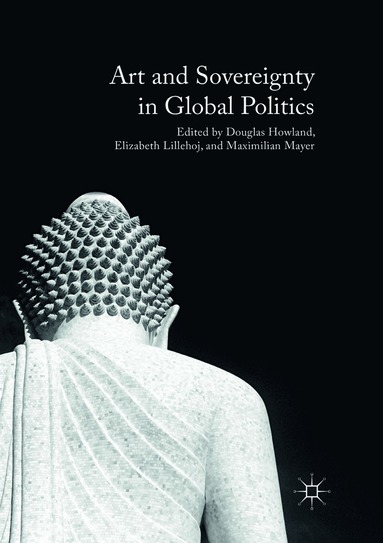
Art and Sovereignty in Global Politics
Douglas Howland, Elizabeth Lillehoj, Maximilian Mayer
Häftad, 2018
1 479 kr
Hoppa över listan




Du kanske också är intresserad av
Art and Sovereignty in Global Politics
Douglas Howland, Elizabeth Lillehoj, Maximilian Mayer
Inbunden, 2016
2 069 kr
Art and Sovereignty in Global Politics
Douglas Howland, Elizabeth Lillehoj, Maximilian Mayer
Häftad, 2018
1 479 kr
- Nyhet
Del 6
- Nyhet
Del 11
- Nyhet
Del 3
- Nyhet
- Nyhet
Del 7
- Nyhet
Del 4