
Del i serien Woodhead Publishing Series in Biomaterials
Injectable Biomaterials
Science and Applications
Häftad, Engelska, 2016
2 599 kr
Beställningsvara. Skickas inom 10-15 vardagar. Fri frakt för medlemmar vid köp för minst 249 kr.
Novel injectable materials for non-invasive surgical procedures are becoming increasingly popular. An advantage of these materials include easy deliverability into the body, however the suitability of their mechanical properties must also be carefully considered. Injectable biomaterials covers the materials, properties and biomedical applications of injectable materials, as well as novel developments in the technology.
Part one focuses on materials and properties, with chapters covering the design of injectable biomaterials as well as their rheological properties and the mechanical properties of injectable polymers and composites. Part two covers the clinical applications of injectable biomaterials, including chapters on drug delivery, tissue engineering and orthopaedic applications as well as injectable materials for gene delivery systems. In part three, existing and developing technologies are discussed. Chapters in this part cover such topics as environmentally responsive biomaterials, injectable nanotechnology, injectable biodegradable materials and biocompatibility. There are also chapters focusing on troubleshooting and potential future applications of injectable biomaterials.
With its distinguished editor and international team of contributors, Injectable biomaterials is a standard reference for materials scientists and researchers working in the biomaterials industry, as well as those with an academic interest in the subject. It will also be beneficial to clinicians.
Part one focuses on materials and properties, with chapters covering the design of injectable biomaterials as well as their rheological properties and the mechanical properties of injectable polymers and composites. Part two covers the clinical applications of injectable biomaterials, including chapters on drug delivery, tissue engineering and orthopaedic applications as well as injectable materials for gene delivery systems. In part three, existing and developing technologies are discussed. Chapters in this part cover such topics as environmentally responsive biomaterials, injectable nanotechnology, injectable biodegradable materials and biocompatibility. There are also chapters focusing on troubleshooting and potential future applications of injectable biomaterials.
With its distinguished editor and international team of contributors, Injectable biomaterials is a standard reference for materials scientists and researchers working in the biomaterials industry, as well as those with an academic interest in the subject. It will also be beneficial to clinicians.
- Comprehensively examines the materials, properties and biomedical applications of injectable materials, as well as novel developments in the technology
- Reviews the design of injectable biomaterials as well as their rheological properties and the mechanical properties of injectable polymers and composites
- Explores clinical applications of injectable biomaterials, including drug delivery, tissue engineering, orthopaedic applications and injectable materials for gene delivery systems
Produktinformation
- Utgivningsdatum2016-08-19
- Mått156 x 234 x 22 mm
- Vikt600 g
- FormatHäftad
- SpråkEngelska
- SerieWoodhead Publishing Series in Biomaterials
- Antal sidor440
- FörlagElsevier Science
- ISBN9780081014936
Tillhör följande kategorier
Hoppa över listan

Mer från samma serie
Biomaterials and Regenerative Medicine in Ophthalmology
Traian Chirila, Damien Harkin
Inbunden, 2016
4 309 kr
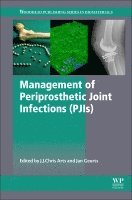
Management of Periprosthetic Joint Infections (PJIs)
J.J. Chris Arts, Jan Geurts
Inbunden, 2016
3 479 kr
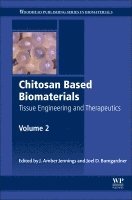
Chitosan Based Biomaterials Volume 2
Jessica Amber Jennings, Joel David Bumgardner
Inbunden, 2016
3 079 kr
Chitosan Based Biomaterials Volume 1
Jessica Amber Jennings, Joel David Bumgardner
Inbunden, 2016
3 169 kr
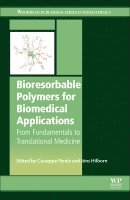
Bioresorbable Polymers for Biomedical Applications
Giuseppe Perale, J�ns Hilborn
Inbunden, 2016
3 429 kr
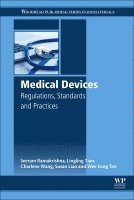
Medical Devices
Seeram Ramakrishna, Lingling Tian, Charlene Wang, Susan Liao, Wee Eong Teo
Inbunden, 2015
2 489 kr
Hoppa över listan









Du kanske också är intresserad av
- Nyhet
Del 7
- Nyhet
Del 3
- Nyhet
Del 3
- Nyhet
Del 4
- Nyhet
- Nyhet
- Nyhet
Del 11
- Nyhet
Del 6
- Nyhet
Del 1
- Nyhet