
Indian Cinema in the Time of Celluloid
From Bollywood to the Emergency
Inbunden, Engelska, 2009
1 159 kr
Beställningsvara. Skickas inom 5-8 vardagar. Fri frakt för medlemmar vid köp för minst 249 kr.
In Indian Cinema in the Time of Celluloid, Ashish Rajadhyaksha argues that any exploration of the social uses to which cinema is put in a place like India can only make sense if it transforms our understanding of cinema itself. Taking as his timeframe the era of celluloid, which is also marked by public experiences of spectatorship and uses of cinema by the state, Rajadhyaksha examines three moments of crisis for the Indian State in which cinema played a central role.
Produktinformation
- Utgivningsdatum2009-10-16
- Mått184 x 236 x 37 mm
- Vikt1 134 g
- FormatInbunden
- SpråkEngelska
- Antal sidor432
- FörlagIndiana University Press
- ISBN9780253352682
Hoppa över listan

Mer från samma författare
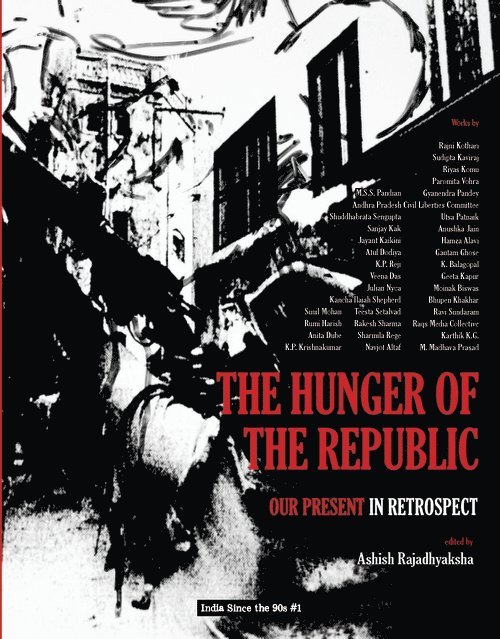
Hunger of the Republic – Our Present in Retrospect
Ashish Rajadhyaksha, Ashish Rajadhyaksha
Inbunden, 2022
599 kr
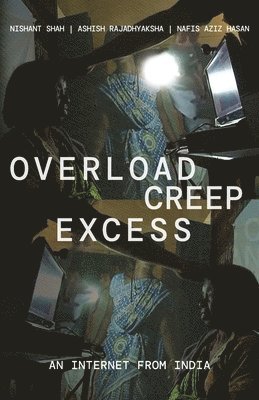
Overload, Creep, Excess: An Internet From India
Nishant Shah, Ashish Rajadhyaksha, Nafis Aziz Hasan
Häftad, 2023
349 kr
Hoppa över listan



Du kanske också är intresserad av
Hunger of the Republic – Our Present in Retrospect
Ashish Rajadhyaksha, Ashish Rajadhyaksha
Inbunden, 2022
599 kr
Overload, Creep, Excess: An Internet From India
Nishant Shah, Ashish Rajadhyaksha, Nafis Aziz Hasan
Häftad, 2023
349 kr
- Nyhet
Del 3
- Nyhet
Del 11
- Nyhet