
In Quest of the Ordinary
Lines of Skepticism and Romanticism
Häftad, Engelska, 1994
379 kr
Beställningsvara. Skickas inom 5-8 vardagar. Fri frakt för medlemmar vid köp för minst 249 kr.
These lectures by one of the most influential and original philosophers of the twentieth century constitute a sustained argument for the philosophical basis of romanticism, particularly in its American rendering. Through his examination of such authors as Emerson, Thoreau, Poe, Wordsworth, and Coleridge, Stanley Cavell shows that romanticism and American transcendentalism represent a serious philosophical response to the challenge of skepticism that underlies the writings of Wittgenstein and Austin on ordinary language.
Produktinformation
- Utgivningsdatum1994-11-01
- Mått15 x 23 x 1 mm
- Vikt340 g
- FormatHäftad
- SpråkEngelska
- Antal sidor208
- FörlagThe University of Chicago Press
- ISBN9780226098180
Tillhör följande kategorier
Hoppa över listan

Mer från samma författare
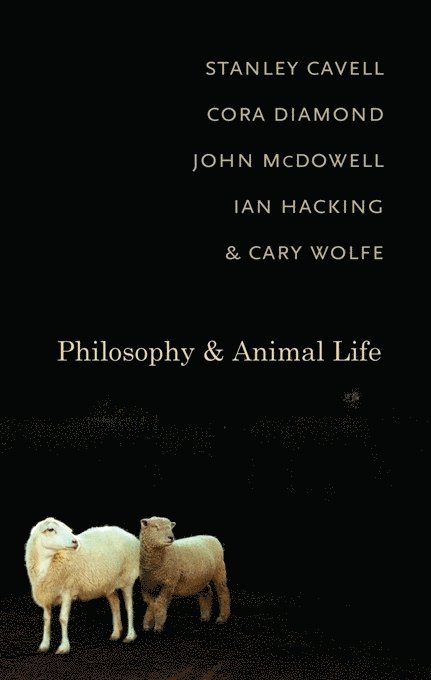
Philosophy and Animal Life
Stanley Cavell, Cora Diamond, John McDowell, Ian Hacking, Cary Wolfe
Häftad, 2009
639 kr