
Del i serien Beginner's Guides
Imperial China
A Beginner's Guide
Häftad, Engelska, 2021
149 kr
Skickas . Fri frakt för medlemmar vid köp för minst 249 kr.
In 221 BCE, the Qin state conquered its neighbours and created the first unified Chinese empire in history. So began the imperial era, where dynasties claiming divine assent ruled for more than 2,000 years.Borders shifted and emperors struggled to exert control over every region of their diverse territories. Elites held that they were inheritors of a rich, pre-imperial culture, while their society produced world-changing inventions such as the compass, printing, gunpowder and the gun. And imperial China itself was altered as it came into contact with others through trade, exploration and war.For anyone curious about this fascinating period, Peter Lorge introduces imperial China’s major ruling dynasties, religions, arts, thinkers, inventions, military advancements, economic developments and historians.
Produktinformation
- Utgivningsdatum2021-07-01
- Mått129 x 198 x 12 mm
- Vikt162 g
- FormatHäftad
- SpråkEngelska
- SerieBeginner's Guides
- Antal sidor208
- FörlagOneworld Publications
- ISBN9781786075789
Tillhör följande kategorier
Hoppa över listan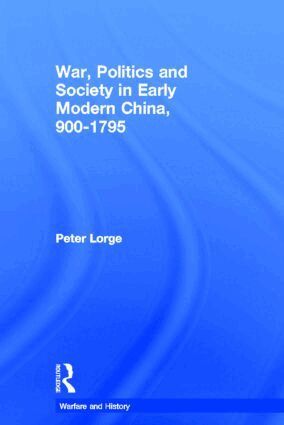

Mer från samma författare
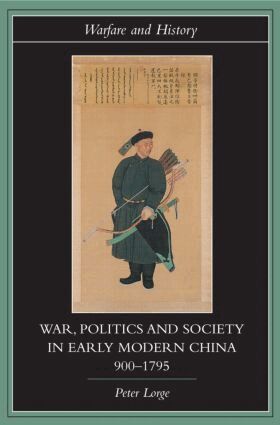
Chinese and Indian Warfare - From the Classical Age to 1870
Kaushik Roy, Peter Lorge
Inbunden, 2014
5 099 kr
Chinese and Indian Warfare - From the Classical Age to 1870
Kaushik Roy, Peter Lorge
Häftad, 2017
1 059 kr
Hoppa över listan
Du kanske också är intresserad av
Chinese and Indian Warfare - From the Classical Age to 1870
Kaushik Roy, Peter Lorge
Inbunden, 2014
5 099 kr
Chinese and Indian Warfare - From the Classical Age to 1870
Kaushik Roy, Peter Lorge
Häftad, 2017
1 059 kr