
Idealization and the Aims of Science
Häftad, Engelska, 2020
409 kr
Beställningsvara. Skickas inom 5-8 vardagar. Fri frakt för medlemmar vid köp för minst 249 kr.
Science is the study of our world, as it is in its messy reality. Nonetheless, science requires idealization to function—if we are to attempt to understand the world, we have to find ways to reduce its complexity. Idealization and the Aims of Science shows just how crucial idealization is to science and why it matters. Beginning with the acknowledgment of our status as limited human agents trying to make sense of an exceedingly complex world, Angela Potochnik moves on to explain how science aims to depict and make use of causal patterns—a project that makes essential use of idealization. She offers case studies from a number of branches of science to demonstrate the ubiquity of idealization, shows how causal patterns are used to develop scientific explanations, and describes how the necessarily imperfect connection between science and truth leads to researchers’ values influencing their findings. The resulting book is a tour de force, a synthesis of the study of idealization that also offers countless new insights and avenues for future exploration.
Produktinformation
- Utgivningsdatum2020-09-23
- Mått152 x 229 x 8 mm
- Vikt367 g
- FormatHäftad
- SpråkEngelska
- Antal sidor288
- FörlagThe University of Chicago Press
- ISBN9780226759449
Tillhör följande kategorier
Hoppa över listan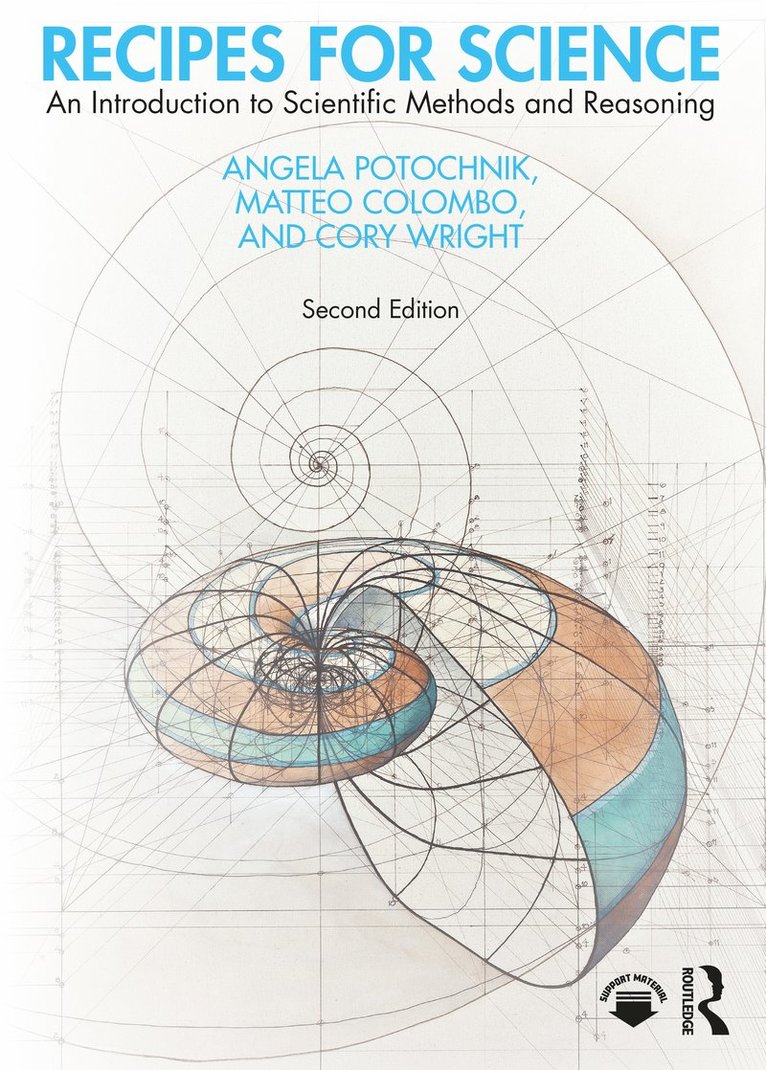



Mer från samma författare
Recipes for Science: An Introduction to Scientific Methods and Reasoning
Angela Potochnik, Matteo Colombo
Häftad, 2018
589 kr
Hoppa över listan


Du kanske också är intresserad av
Recipes for Science: An Introduction to Scientific Methods and Reasoning
Angela Potochnik, Matteo Colombo
Häftad, 2018
589 kr
- Nyhet
Del 3
- Nyhet
Del 11
- Nyhet
Del 4