
Del i serien Oxford Studies in Historical Theology
Human Freedom, Christian Righteousness
Philip Melanchthon's Exegetical Dispute with Erasmus of Rotterdam
Inbunden, Engelska, 1998
3 809 kr
Beställningsvara. Skickas inom 5-8 vardagar. Fri frakt för medlemmar vid köp för minst 249 kr.
This book argues that Philip Melanchthon, conventionally pictured as hopelessly caught in the middle between Erasmus and Luther, and more "Erasmian" than a Lutheran theologian should have been, was, at least theologically, not Erasmian at all, but in fact sharply anti-Erasmus. Wengert draws largely on Melanchthon's Scholia on the Epistle of Paul to the Colossians as well as on a range of other contemporary sources to address a number of important questions, including the complicated and elusive relationship between humanism and the Reformation and the issues of proper biblical interpretation of free will, of divine and human righteousness, and of political order.
Produktinformation
- Utgivningsdatum1998-04-30
- Mått162 x 235 x 21 mm
- Vikt544 g
- FormatInbunden
- SpråkEngelska
- SerieOxford Studies in Historical Theology
- Antal sidor256
- FörlagOUP USA
- ISBN9780195115291
Tillhör följande kategorier
Hoppa över listan
Mer från samma författare
To the Christian Nobility of the German Nation, 1520
Martin Luther, James M. Estes, Timothy J. Wengert
Häftad, 2016
459 kr
Harvesting Martin Luther's Reflections on Theology, Ethics, and the Church
Timothy J. Wengert
Häftad, 2017
809 kr
Three Treatises
Timothy J. Wengert, Erik H. Herrmann, James M. Estes, Paul W. Robinson
Häftad, 2023
289 kr
Hoppa över listan
Du kanske också är intresserad av
Harvesting Martin Luther's Reflections on Theology, Ethics, and the Church
Timothy J. Wengert
Häftad, 2017
809 kr
To the Christian Nobility of the German Nation, 1520
Martin Luther, James M. Estes, Timothy J. Wengert
Häftad, 2016
459 kr
Del 65
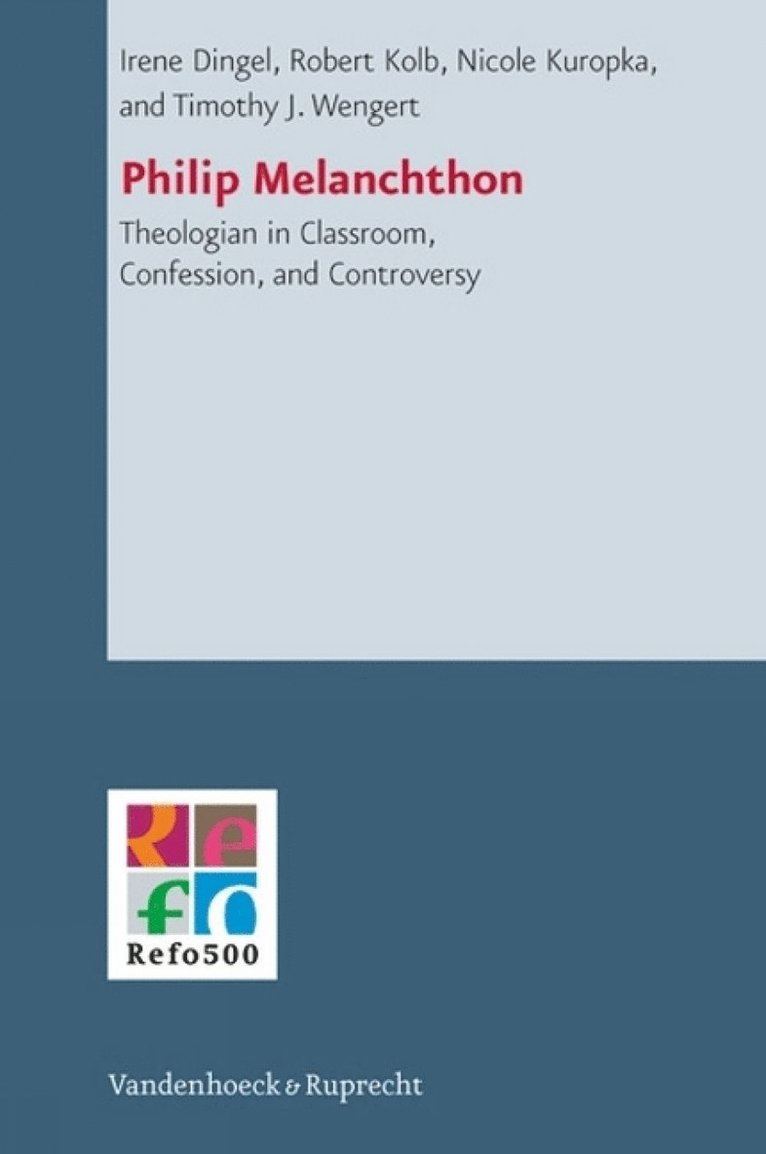
Philip Melanchthon
Robert Kolb, Nicole Kuropka, Irene Dingel, Timothy J. Wengert
Inbunden, 2012
2 419 kr