
Del i serien Routledge Studies in Speculative Fiction
Human Evolution and Fantastic Victorian Fiction
Inbunden, Engelska, 2021
3 769 kr
Beställningsvara. Skickas inom 10-15 vardagar. Fri frakt för medlemmar vid köp för minst 249 kr.
Finns i fler format (1)
Following the publication of Darwin’s On the Origin of Species, Victorian anthropology made two apparently contradictory claims: it distinguished "civilized man" from animals and "primitive" humans and it linked them though descent. Paradoxically, it was by placing human history in a deep past shaped by minute, incremental changes (rather than at the apex of Providential order) that evolutionary anthropology could assert a new form of human exceptionalism and define civilized humanity against both human and nonhuman savagery.This book shows how fantastic Victorian and early Edwardian fictions—utopias, dystopias, nonsense literature, gothic horror, and children’s fables—untether human and nonhuman animal agency from this increasingly orthodox account of the deep past. As they imagine worlds that lift the evolutionary constraints on development and as they collapse evolution into lived time, these stories reveal (and even occupy) dynamic landscapes of cognitive descent that contest prevailing anthropological ideas about race, culture, and species difference.
Produktinformation
- Utgivningsdatum2021-06-25
- Mått152 x 229 x 15 mm
- Vikt367 g
- FormatInbunden
- SpråkEngelska
- SerieRoutledge Studies in Speculative Fiction
- Antal sidor170
- FörlagTaylor & Francis Ltd
- ISBN9780367722814
Tillhör följande kategorier
Hoppa över listan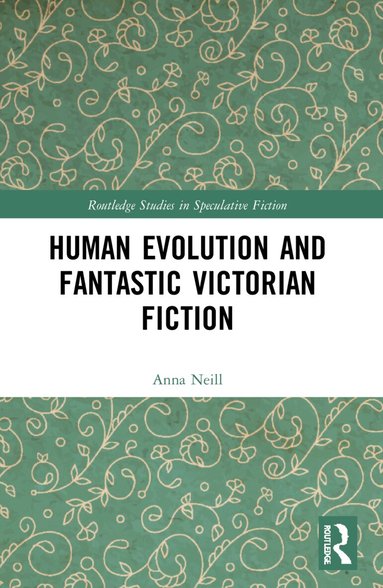

Du kanske också är intresserad av
- Nyhet
Del 7
- Nyhet
Del 6
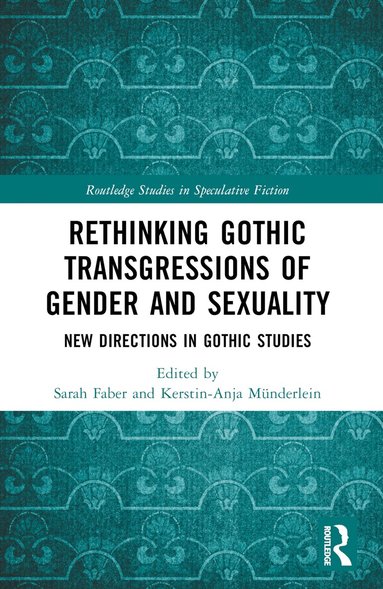
Rethinking Gothic Transgressions of Gender and Sexuality
Sarah Faber, Kerstin-Anja Münderlein
Häftad, 2025
1 059 kr