
Del i serien Routledge Focus on Communication and Society
History of Brazilian Journalism
From Print to Digital
Inbunden, Engelska, 2024
1 319 kr
Beställningsvara. Skickas inom 10-15 vardagar. Fri frakt för medlemmar vid köp för minst 249 kr.
Finns i fler format (1)
This book constitutes a first-of-its-kind synthesis of the development of journalism in Brazil, considering both its mediations with national social and political life and its relationships of influence and dependence on international economic centers. The author suggests that Brazilian journalism has so far known four phases: doctrinal political journalism, narrative literary journalism, industrial news journalism, and multimedia infotainment journalism. Devoting a chapter to each phase, Daros presents a critical map of the genesis and metamorphosis of journalistic practices in the country. The analysis goes beyond a mere study of national history to mark the points of connection between the Brazilian case and other geographic spaces, showing how the profession moved between two Western paradigms and was continually shaped by the economic, political, and cultural context from which it emerged and was inserted. The final part of the book reflects critically on the state of Brazilian journalism today, considering the new social media culture, the increasing focus on costs over quality of news products, and the failed social responsibility of the profession to inform national public opinion. This study is an important touchstone for researchers of Brazilian and Latin American journalism and those interested in the ways in which the media shapes and is shaped by a country’s socio-political climate.
Produktinformation
- Utgivningsdatum2024-12-13
- Mått138 x 216 x 14 mm
- Vikt280 g
- FormatInbunden
- SpråkEngelska
- SerieRoutledge Focus on Communication and Society
- Antal sidor128
- FörlagTaylor & Francis Ltd
- ISBN9781032755809
Tillhör följande kategorier
Hoppa över listan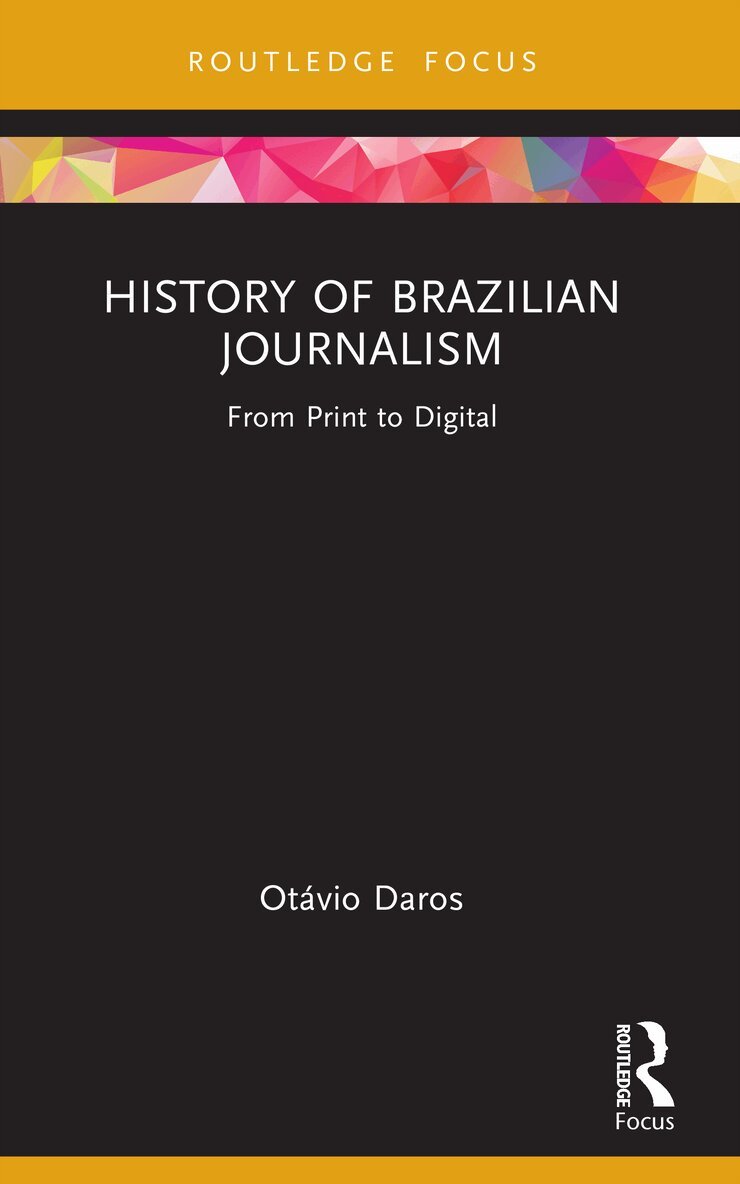









Du kanske också är intresserad av
Digital Media, Denunciation and Shaming
Daniel Trottier, Qian Huang, Rashid Gabdulhakov
Inbunden, 2024
1 279 kr