
Del i serien BCP Egyptology
Hidden Hands
Egyptian Workforces in Petrie Excavation Archives, 1880-1924
Häftad, Engelska, 2010
689 kr
Beställningsvara. Skickas inom 10-15 vardagar. Fri frakt för medlemmar vid köp för minst 249 kr.
Despite major movements for change, in practice archaeologists still pursue the past to the exclusion of the present inhabitants of archaeological landscapes. Archaeological archives hold a key to the formation of archaeology as a separate study, but they may be overlooked in current debates on ethics in archaeology and anthropology. This study focuses on the great archive that records the work of Flinders Petrie in Egypt, first in 1880-1882 under a nationalist government, and then during the English military occupation that lasted from 1882 until after his death in 1942. The archive brings to life the main Egyptian supervisors who enabled Petrie to function as an archaeologist, while payroll lists record the names of hundreds more men and children on the full labour force. None of these Egyptians have received recognition as an archaeologist in history-writing, foreign or Egyptian. This archival ground offers a new open resource to those within Egypt and elsewhere opposed to the neo-colonial regime of the disciplines.
Produktinformation
- Utgivningsdatum2010-09-15
- Mått154 x 232 x 28 mm
- Vikt556 g
- FormatHäftad
- SpråkEngelska
- SerieBCP Egyptology
- Antal sidor344
- FörlagBloomsbury Publishing PLC
- ISBN9780715639047
Tillhör följande kategorier
Hoppa över listan


Mer från samma författare
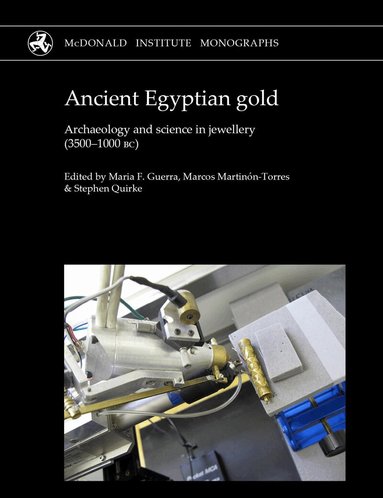
Ancient Egyptian Gold
Maria Filomena Guerra, Marcos Martinón-Torres, Stephen Quirke
Inbunden, 2023
1 179 kr
Hoppa över listan


Du kanske också är intresserad av
Ancient Egyptian Gold
Maria Filomena Guerra, Marcos Martinón-Torres, Stephen Quirke
Inbunden, 2023
1 179 kr
- Nyhet
Del 7
- Nyhet
- Nyhet
Del 6