
Del 22
Del i serien Pennsylvania Studies in Human Rights
Guilt, Responsibility, and Denial
The Past at Stake in Post-Milošević Serbia
Inbunden, Engelska, 2013
1 119 kr
Beställningsvara. Skickas inom 10-15 vardagar. Fri frakt för medlemmar vid köp för minst 249 kr.
When the regime led by Slobodan MiloŠević came to an end in October 2000, expectations for social transformation in Serbia and the rest of the Balkans were high. The international community declared that an era of human rights had begun, while domestic actors hoped that the conditions that had made a violent dictatorship possible could be eliminated. More than a decade after the International Criminal Tribunal for the Former Yugoslavia initiated the process of bringing violators of international humanitarian law to justice, significant legal precedents and facts have been established, yet considerable gaps in the historical record, along with denial and disagreements, continue to exist in the public memory of the Yugoslav wars.Guilt, Responsibility, and Denial sets out to trace the political, social, and moral challenges that Serbia faced from 2000 onward, offering an empirically rich and theoretically broad account of what was demanded of the country's citizens as well its political leadership-and how these challenges were alternately confronted and ignored. Eric Gordy makes extensive use of Serbian media to capture the internal debate surrounding the legacy of the country's war crimes, providing one of the first studies to examine international institutional efforts to build a set of public memories alongside domestic Serbian political reaction. By combining news accounts, courtroom transcripts, online discussions, and his own field research, Gordy explores how the conflicts and crimes that were committed under MiloŠević came to be understood by the people of Serbia and, more broadly, how projects of transitional justice affect the ways society faces issues of guilt and responsibility. In charting the legal, political, and cultural forces that shape public memory, Guilt, Responsibility, and Denial promises to become a standard resource for studies of Serbia as well as the workings of international and domestic justice in dealing with the aftermath of war crimes.
Produktinformation
- Utgivningsdatum2013-08-30
- Mått152 x 229 x 28 mm
- Vikt514 g
- FormatInbunden
- SpråkEngelska
- SeriePennsylvania Studies in Human Rights
- Antal sidor272
- FörlagUniversity of Pennsylvania Press
- ISBN9780812245356
Tillhör följande kategorier
Hoppa över listan
Mer från samma författare
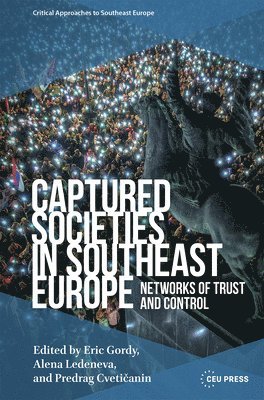
Captured Societies in Southeast Europe
Eric Gordy, Alena Ledeneva, Predrag Cveticanin
Inbunden, 2025
2 089 kr
Hoppa över listan




Mer från samma serie
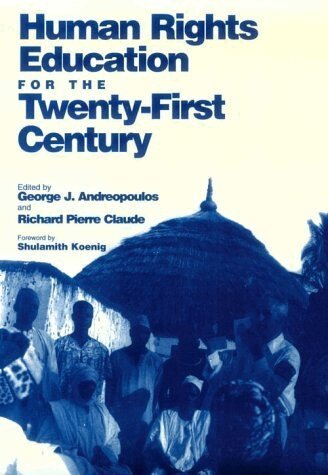
Human Rights Education for the Twenty-First Century
George J. Andreopoulos, Richard Pierre Claude
Häftad, 1997
859 kr
Hoppa över listan







Du kanske också är intresserad av
Del 22
Captured Societies in Southeast Europe
Eric Gordy, Alena Ledeneva, Predrag Cveticanin
Inbunden, 2025
2 089 kr
- Nyhet
Del 7
- Nyhet
Del 11
- Nyhet
- Nyhet
Del 4
- Nyhet
Del 6
- Nyhet
Del 3
- Nyhet
- Nyhet