
Guide to Third Generation Coaching
Narrative-Collaborative Theory and Practice
Inbunden, Engelska, 2013
1 059 kr
Beställningsvara. Skickas inom 10-15 vardagar. Fri frakt för medlemmar vid köp för minst 249 kr.
Finns i fler format (1)
Third generation coaching proposes a form of dialogue where coach and coachee are focused on creating space for reflection through collaborative practices and less concerned with fabricating quick solutions. Aspiring to achieve moments of symmetry between coach and coachee, where their dialogue is driven by a strong emphasis on meaning-making, values, aspirations and identity issues. Coach and coachee meet as fellow-humans in a genuine dialogue.Marking a new trend in coaching, based on the acknowledgement of changes in society, learning and knowledge production, as well as leadership, while distinguishing itself from the existing models (pop coaching, GROW model, etc.). Third generation coaching is based on a fresh analysis of our society – a society that is characterized by diversification, identity challenges, abolition of the monopoly of knowledge, lifelong learning, and the necessity for self-reflection. Providing quality material to guide ambitious practitioners and high level coaching education programs, in an accessible format. A Guide to Third Generation Coaching advocates a revisited and innovative approach to coaching and coaching psychology, advantageous for learners and practitioners alike, by supporting the reader as a reflective practitioner. ”In this insightful book Reinhard Stelter takes coaching to a new level. With its new perspective, it will make an outstanding contribution to the field.”Prof Stephen Palmer, Centre for Coaching, London, UK, President of the International Society for Coaching Psychology (ISCP) “This book is a wonderful contribution to further theoretical understanding and evidence-based practice within Coaching andCoaching Psychology. Reinhard provides us with a look at the foundations contributing to this field, the benefit of his experience and learning, and the evolution of thinking to our current state. Whether you are a coach, coaching psychologist, leader, manager or student, you will find this an excellent resource to expand your thinking, reflection, exploration, and learning on your journey.” Diane Brennan, MBA, MCC, Past-President International Coach Federation (ICF) in 2008 “A thoughtful and wide ranging journey through the philosophy of coaching. Professor Stelter brings positive psychology, dialogue, and narrative approaches together into a model of coaching designed to meet the needs of clients in today’s world.”Dr. Michael Cavanagh, MClinPsy, PhD, Deputy Director, Coaching Psychology Unit, School of Psychology, The University of Sydney
Produktinformation
- Utgivningsdatum2013-09-05
- Mått155 x 235 x 21 mm
- Vikt546 g
- FormatInbunden
- SpråkEngelska
- Antal sidor250
- Upplaga2014
- FörlagSpringer
- ISBN9789400771857
Tillhör följande kategorier
Hoppa över listan
Mer från samma författare
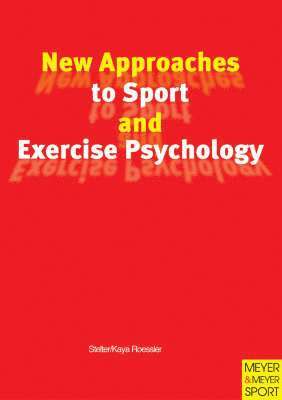
New Approaches to Sport and Exercise Psychology
Reinhard Stelter, Kirsten Kaya Roessler
Häftad, 2005
349 kr
Hoppa över listan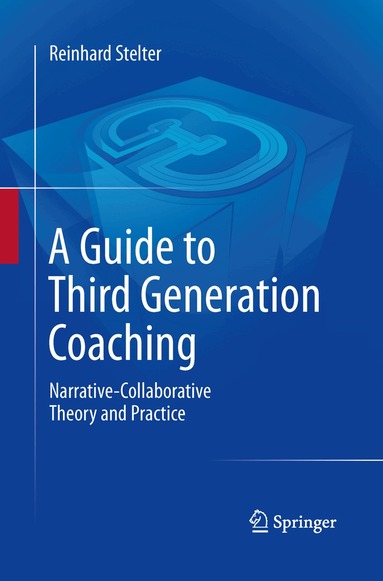




Du kanske också är intresserad av
New Approaches to Sport and Exercise Psychology
Reinhard Stelter, Kirsten Kaya Roessler
Häftad, 2005
349 kr
- Nyhet
Del 6
- Nyhet
Del 3
- Nyhet
Del 7
- Nyhet
Del 4
- Nyhet