
Del 4 i serien Endocrine Updates
Growth Hormone
Inbunden, Engelska, 1999
2 219 kr
Beställningsvara. Skickas inom 10-15 vardagar. Fri frakt för medlemmar vid köp för minst 249 kr.
Finns i fler format (1)
Growth Hormone is a fitting addition to the Endocrine Updates Series. The aim of these publications is to provide the clinician with cutting-edge, yet succinct, access to the latest advances in endocrinology. Current interest in this rapidly evolving area of endocrinology makes this a timely and important update. Growth Hormone joins Dr. Fagin's Thyroid Cancer in continuing the standard of excellence as the fourth volume in this series of topical updates. Shlomo Melmed, MD, Series Editor, Endocrine Updates Ten years ago, many endocrinologists were still skeptical that growth hormone (GH) played an active role in adult metabolism. This is, perhaps, surprising given that GH deficiency (GHD) in adulthood had been `recognized' as long ago as the 1960s. During the last ten years studies have shown that GHD in adulthood is a far-reaching syndrome associated with abnormal body composition, reduced bone mineral density with an increased fracture rate, increased cardiovascular morbidity and impaired cardiac function, as well as reduced exercise performance and decreased psychological well-being. Importantly, it is also clear, from placebo-controlled trials, that GH replacement therapy can normalize body composition, increase bone mineral content and improve the cardiovascular risk factor profile. GH replacement therapy also improves cardiac performance and exercise capacity, increases muscle strength and improves well-being and quality of life. The aim of Growth Hormone is to provide a critical update of current knowledge about adult GHD and the future role of GH/IGF-1 in adult medicine. For this purpose, contributions from a number of research groups have been invited. It is my hope that the book may not only serve as an introduction to the field, but also stimulate further research within this exciting area.
Produktinformation
- Utgivningsdatum1999-05-31
- Mått155 x 235 x 25 mm
- Vikt732 g
- FormatInbunden
- SpråkEngelska
- SerieEndocrine Updates
- Antal sidor359
- Upplaga1999
- FörlagKluwer Academic Publishers
- ISBN9780792384786
Tillhör följande kategorier
Hoppa över listan




Mer från samma serie
Del 25
Overweight and the Metabolic Syndrome:
George A. Bray, Louisiana State University Pennington Biomedical Research Cent, Donna Ryan
Inbunden, 2006
2 219 kr
Del 27
Del 11
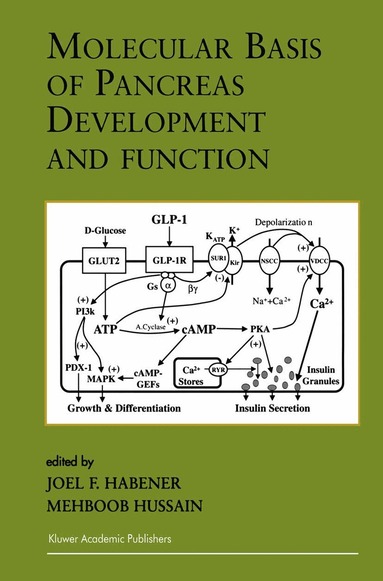
Molecular Basis of Pancreas Development and Function
Joel F. Habener, Mehboob Hussain
Inbunden, 2001
2 659 kr
Del 14
Del 15
Hoppa över listan









Du kanske också är intresserad av
Del 4
Del 1
- Nyhet
Del 6
- Nyhet
Del 3
- Nyhet
Del 7
- Nyhet
Del 4
- Nyhet
Del 11
- Nyhet
- Nyhet