
Del i serien Greek Studies: Interdisciplinary Approaches
Greek Heroes in and out of Hades
Inbunden, Engelska, 2012
2 109 kr
Beställningsvara. Skickas inom 10-15 vardagar. Fri frakt för medlemmar vid köp för minst 249 kr.
Finns i fler format (1)
Greek Heroes in and out of Hades is a study on heroism and mortality from Homer to Plato. In a collection of thirty enjoyable essays, Stamatia Dova combines intertextual research and thought-provoking analysis to shed new light on concepts of the hero in the Iliad and the Odyssey, Bacchylides 5, Plato's Symposium, and Euripides' Alcestis. Through systematic readings of a wide range of seemingly unrelated texts, the author offers a cohesive picture of heroic character in a variety of literary genres. Her characterization of Achilles, Odysseus, and Heracles is artfully supported by a comprehensive overview of the theme of descent to the underworld in Homer, Bacchylides, and Euripides. Aimed at the specialist as well as the general reader, Greek Heroes in and out of Hades brings innovative Classical scholarship and insightful literary criticism to a wide audience.
Produktinformation
- Utgivningsdatum2012-08-02
- Mått158 x 236 x 20 mm
- Vikt522 g
- FormatInbunden
- SpråkEngelska
- SerieGreek Studies: Interdisciplinary Approaches
- Antal sidor242
- FörlagBloomsbury Publishing Plc
- ISBN9780739144978
Tillhör följande kategorier
Hoppa över listan



Mer från samma serie
Metrical Constraint and the Interpretation of Style in the Tragic Trimeter
Nicholas Baechle
Inbunden, 2007
2 949 kr
Hoppa över listan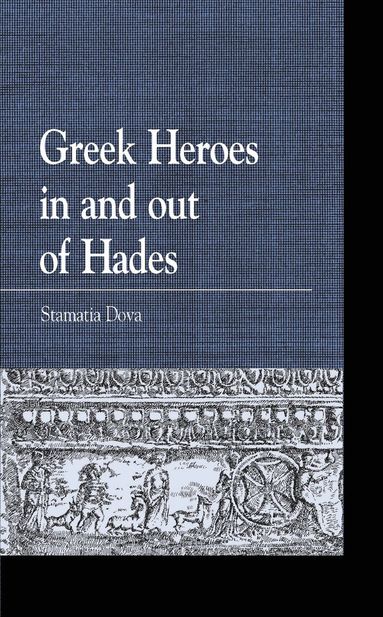





Du kanske också är intresserad av
- Nyhet
Del 3
- Nyhet
Del 7
- Nyhet
Del 4
- Nyhet
- Nyhet
Del 6
- Nyhet
Del 11
- Nyhet