
Del 138 i serien Studies in Critical Social Sciences
“Greek Crisis” in Europe
Race, Class and Politics
Inbunden, Engelska, 2019
3 369 kr
Beställningsvara. Skickas inom 5-8 vardagar. Fri frakt för medlemmar vid köp för minst 249 kr.
Finns i fler format (1)
The “Greek Crisis” in Europe: Race, Class and Politics, critically analyses the publicity of the Greek debt crisis, by studying Greek, Danish and German mainstream media during the crisis’ early years (2009-2015). Mass media everywhere reproduced a sensualistic “Greek crisis” spectacle, while iterating neoliberal and occidentalist ideological myths. Overall, the Greek people were deemed guilty of a systemic crisis, supposedly enjoying lavish lifestyles on the EU’s expense. Using concrete examples, the study foregrounds neoorientalist, neoracist and classist stereotypes deployed in the construction and media coverage of the Greek crisis. These media practices are connected to the “soft politics” of the crisis, which produce public consensus over neoliberal reforms such as austerity and privatizations, and secure debt repayment from democratic interventions.
Produktinformation
- Utgivningsdatum2019-08-08
- Mått155 x 235 x 18 mm
- Vikt573 g
- FormatInbunden
- SpråkEngelska
- SerieStudies in Critical Social Sciences
- Antal sidor260
- FörlagBrill
- ISBN9789004409170
Tillhör följande kategorier
Hoppa över listan
Mer från samma författare
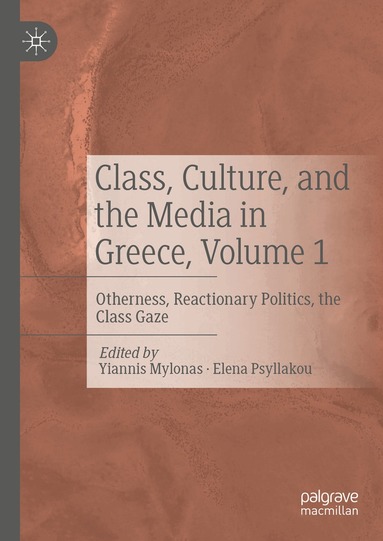
Class, Culture, and the Media in Greece, Volume 1
Yiannis Mylonas, Elena Psyllakou
Inbunden, 2024
2 159 kr
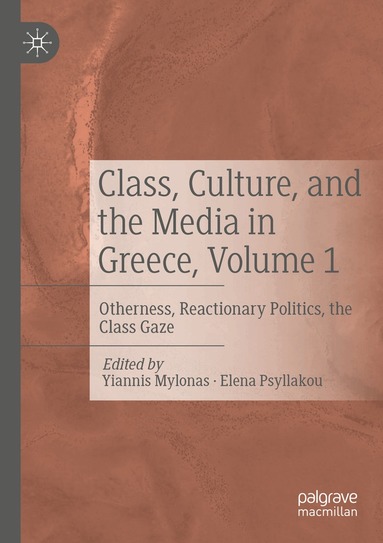
Class, Culture, and the Media in Greece, Volume 1
Yiannis Mylonas, Elena Psyllakou
Häftad, 2025
2 159 kr
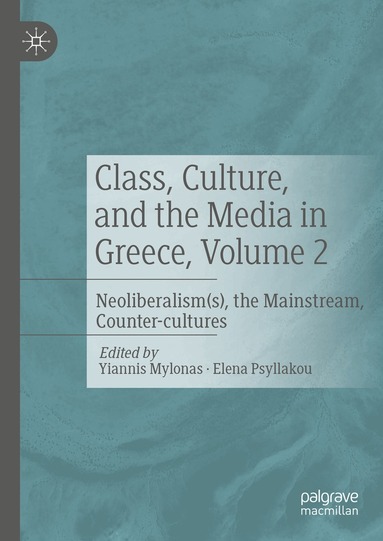
Class, Culture, and the Media in Greece, Volume 2
Yiannis Mylonas, Elena Psyllakou
Inbunden, 2024
2 019 kr
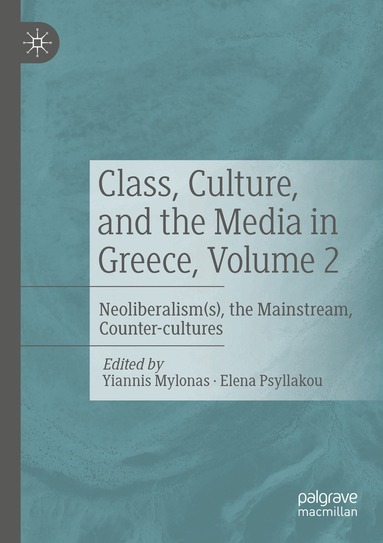
Class, Culture, and the Media in Greece, Volume 2
Yiannis Mylonas, Elena Psyllakou
Häftad, 2025
2 019 kr
Hoppa över listan









Mer från samma serie
Del 358
Del 364
Hybrid Identities: Theoretical And Empirical Examinations
Keri Smith, Keri E. Iyall Smith, Patricia Leavy, Keri E Iyall Smith
Häftad, 2009
539 kr
Dialectic Of Solidarity: Labor, Antisemitism, And The Frankfurt School
Mark Worrall
Häftad, 2009
459 kr
Liberal Modernity And Its Adversaries: Freedom, Liberalism And Anti-liberalism In The 21st Century
Milan Zafirovski
Häftad, 2009
659 kr
Marx's Scientific Dialectics: A Methodological Treatise For A New Century
Paul Paolucci, Paul Paolucci
Häftad, 2009
469 kr
Hoppa över listan



Du kanske också är intresserad av
Class, Culture, and the Media in Greece, Volume 1
Yiannis Mylonas, Elena Psyllakou
Inbunden, 2024
2 159 kr
Class, Culture, and the Media in Greece, Volume 2
Yiannis Mylonas, Elena Psyllakou
Inbunden, 2024
2 019 kr
Class, Culture, and the Media in Greece, Volume 1
Yiannis Mylonas, Elena Psyllakou
Häftad, 2025
2 159 kr
Class, Culture, and the Media in Greece, Volume 2
Yiannis Mylonas, Elena Psyllakou
Häftad, 2025
2 019 kr
- Nyhet