
Great Reversal
How We Let Technology Take Control of the Planet
Häftad, Engelska, 2013
439 kr
Beställningsvara. Skickas inom 5-8 vardagar. Fri frakt för medlemmar vid köp för minst 249 kr.
Every day, we are presented with new technologies that can influence human thought and action, such as psychopharmaceuticals, new generation performance enhancing drugs, elective biotechnology, and gastric bypass surgery. Have we let technology go too far in this respect? In The Great Reversal, David Edward Tabachnick contends that this question may not be unique to contemporary society. Through an assessment of the great works of philosophy and politics, Tabachnick explores the largely unrecognized history of technology as an idea.The Great Reversal takes the reader back to Aristotle’s ancient warning that humanity should never allow technical thinking to cloud our judgment about what makes for a good life. It then charts the path of how we began to relinquish our deeply rooted intellectual and practical capacities that used to allow us to understand and regulate the role of technologies in our lives. As the rise of technology threatens our very humanity, Tabachnick emphasizes that we still may have time to recover and develop these capacities – but we must first decide how far we want to allow technology to determine our existence and our future.
Produktinformation
- Utgivningsdatum2013-02-27
- Mått152 x 229 x 12 mm
- Vikt300 g
- FormatHäftad
- SpråkEngelska
- Antal sidor200
- FörlagUniversity of Toronto Press
- ISBN9780802094698
Tillhör följande kategorier
Hoppa över listan




Mer från samma författare
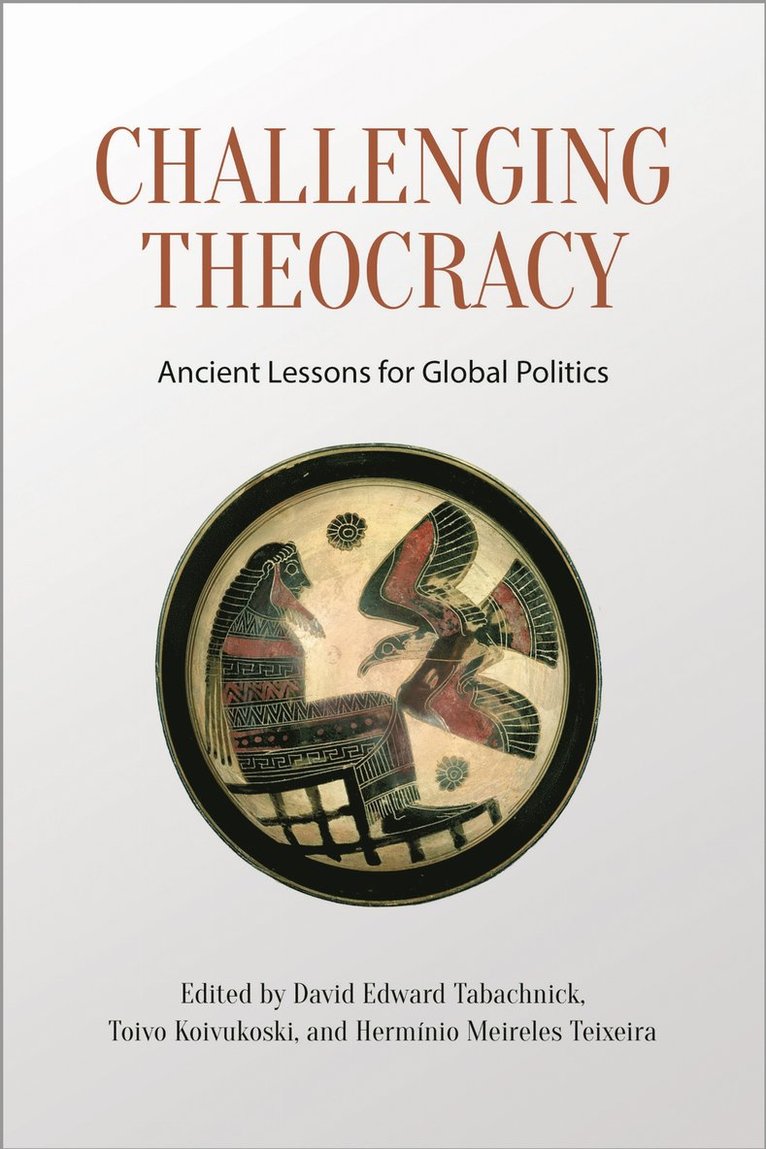
Challenging Theocracy
David Tabachnick, Toivo Koivukoski, Herminio Meireles Teixeira
Häftad, 2018
549 kr
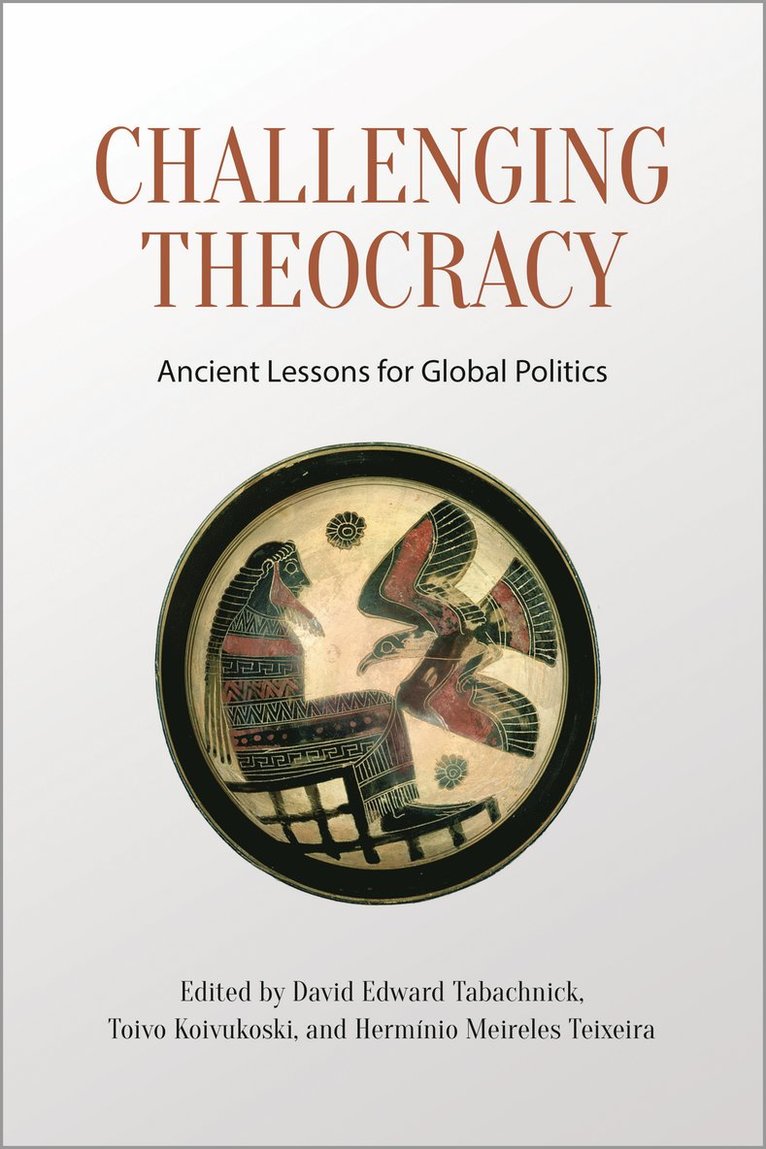
Challenging Theocracy
David Tabachnick, Toivo Koivukoski, Herminio Meireles Teixeira
Inbunden, 2018
1 199 kr
Hoppa över listan
Du kanske också är intresserad av
Challenging Theocracy
David Tabachnick, Toivo Koivukoski, Herminio Meireles Teixeira
Häftad, 2018
549 kr
Challenging Theocracy
David Tabachnick, Toivo Koivukoski, Herminio Meireles Teixeira
Inbunden, 2018
1 199 kr