
Del i serien Globalization
Globalization and the Environment
Inbunden, Engelska, 2013
1 809 kr
Beställningsvara. Skickas inom 10-15 vardagar. Fri frakt för medlemmar vid köp för minst 249 kr.
Finns i fler format (1)
This book by two leading scholars offers the first systematic analysis of the relationship between globalization and the environment from the early Modern period to the present. Peter Christoff and Robyn Eckersley develop a broad conceptual framework for understanding the globalization of environmental problems and the highly uneven, often faltering, international political response. The authors develop linkages between economic globalization and environmental degradation and explore a range of key global environmental problems—focusing on the two most challenging of all: climate change and biodiversity loss. Finally, they critically explore the challenges of environmental governance in a world defined by global capitalism and sovereign states. Providing a normative framework for evaluating global environmental governance, they suggest alternative institutional and policy responses. Through a rich set of case studies, this powerful book will help readers grasp the systemic causes of global environmental degradation as well as the myriad opportunities for reform of global environmental governance.
Produktinformation
- Utgivningsdatum2013-08-08
- Mått160 x 232 x 24 mm
- Vikt522 g
- FormatInbunden
- SpråkEngelska
- SerieGlobalization
- Antal sidor268
- FörlagBloomsbury Publishing Plc
- ISBN9780742556584
Tillhör följande kategorier
Hoppa över listan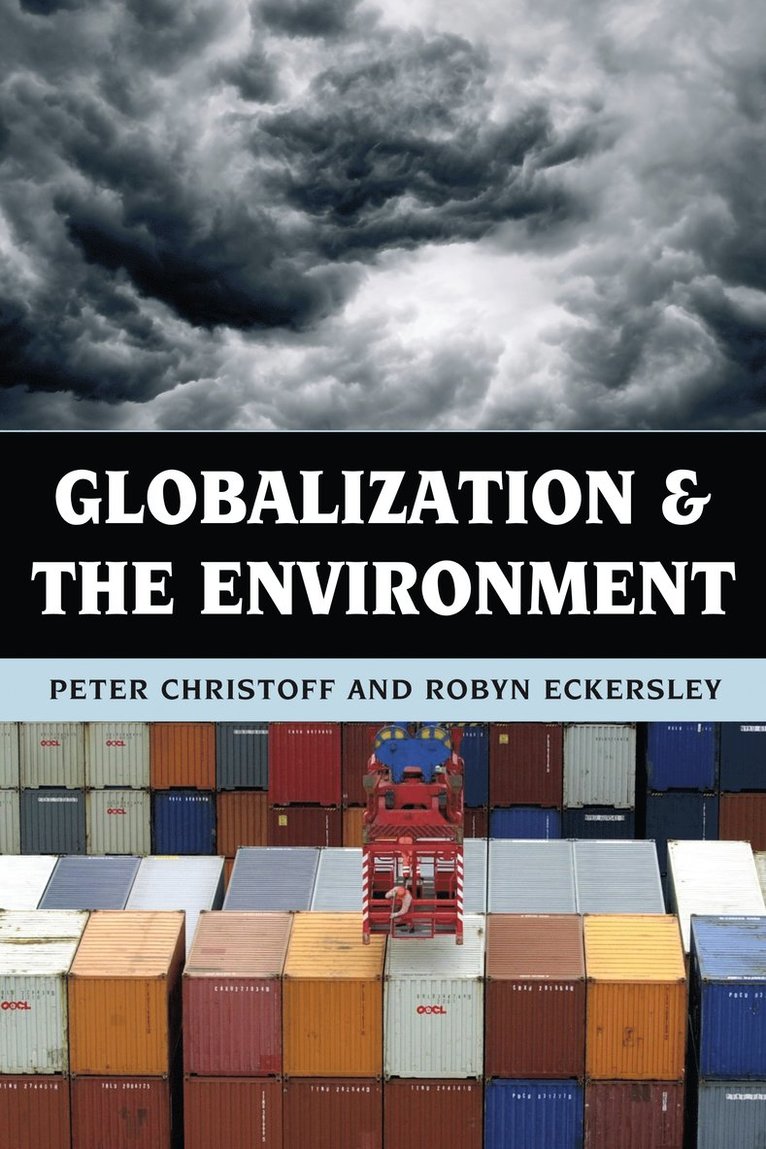



Du kanske också är intresserad av
The Oxford Handbook of International Political Theory
Chris Brown, Robyn Eckersley
Häftad, 2020
1 089 kr
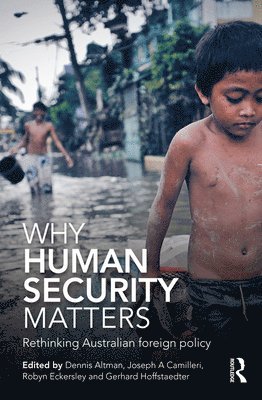
Why Human Security Matters
Dennis Altman, Joseph A. Camilleri, Robyn Eckersley, Gerhard Hoffstaedter
Häftad, 2012
829 kr
Special Responsibilities
Mlada Bukovansky, Ian Clark, Robyn Eckersley, Richard Price, Christian Reus-Smit, Nicholas J. Wheeler
Häftad, 2012
599 kr