
Del 22 i serien Pietist and Wesleyan Studies
German Radical Pietism
Inbunden, Engelska, 2007
2 179 kr
Beställningsvara. Skickas inom 10-15 vardagar. Fri frakt för medlemmar vid köp för minst 249 kr.
Finns i fler format (1)
Pietism is increasingly recognized as the most important movement in Protestant Christianity since the Reformation of the sixteenth century. Simply put, early Protestant reformers were concerned with reforming the doctrine and beliefs of Christians whereas the Pietiest leaders were concerned with reforming the lives and behavior of Christians. This, coupled with other disagreements, led to calls for separation, which in turn gave rise to the movement best described as radical Pietism. German Radical Pietism introduces the English reader to the research of the major contemporary scholar of radical Pietism, Hans Schneider. Originally appearing in the comprehensive study of the history of Pietism that appeared in the 1990s, Schneider's research considers historical treatment of the major figures, movements, and ideas of the radical wing of German Pietism in the seventeenth and early eighteenth centuries. These developments are set in their historical and social contexts, thereby providing the first definitive treatment in English of this movement as a whole. Radical Pietism's seminal role in the emergence of modern religious communities_including Quakers, Brethren, and precursors of contemporary United Methodism, as well as a range of perfectionist communities in early American history_has only begun to be adequately assessed, and this study should be a critical resource in furthering that research. This work is one of the few studies available in English that addresses the important German historical work on Pietism from the late twentieth century. A definitive bibliography of recent research in radical Pietism is included to provide further reading on this important topic.
Produktinformation
- Utgivningsdatum2007-06-29
- Mått163 x 237 x 22 mm
- Vikt549 g
- FormatInbunden
- SpråkEngelska
- SeriePietist and Wesleyan Studies
- Antal sidor270
- FörlagScarecrow Press
- ISBN9780810859838
- ÖversättareGerald MacDonald
Tillhör följande kategorier
Hoppa över listan








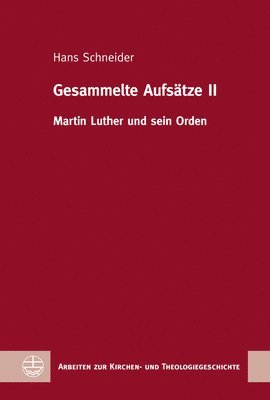
Mer från samma författare
Geschichte Der Schweizerischen Eidgenossenschaft
Johannes Dierauer, Hans Schneider
Inbunden, 2023
649 kr
Del 19
Verträge zwischen Gliedstaaten im Bundesstaat. Schranken nichthoheitlicher Verwaltung
Hans Schneider, Wilfried Schaumann
Inbunden, 1973
1 929 kr
Del 47
Del 8
Kabinettsfrage Und Gesetzgebungsnotstand Nach Dem Bonner Grundgesetz. Tragweite Der Generalklausel Im Art. 19 Abs. 4 Des Bonner Grundgesetzes
Hans Schneider, Walter Jellinek
Inbunden, 1995
1 929 kr
Catalog of British Devotional and Religious Books in German Translation from the Reformation to 1750
Hans Schneider, Hans Otte
Inbunden, 1996
3 539 kr
Hoppa över listan



Mer från samma serie
Del 3
Del 7
Del 12
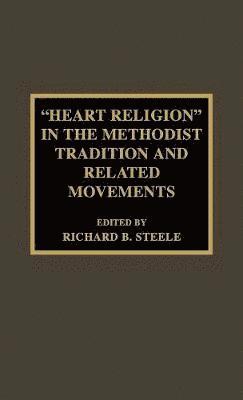
'Heart Religion' in the Methodist Tradition and Related Movements
Richard B. Steele
Inbunden, 2001
2 929 kr
Del 14
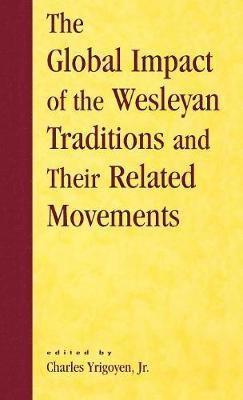
Global Impact of the Wesleyan Traditions and Their Related Movements
Charles Yrigoyen Jr.
Inbunden, 2002
2 169 kr
Del 15
Del 16
Del 18
Del 17
Del 20
Del 24
Hoppa över listan


Du kanske också är intresserad av
Del 22
Del 8
Kabinettsfrage Und Gesetzgebungsnotstand Nach Dem Bonner Grundgesetz. Tragweite Der Generalklausel Im Art. 19 Abs. 4 Des Bonner Grundgesetzes
Hans Schneider, Walter Jellinek
Inbunden, 1995
1 929 kr
Geschichte Der Schweizerischen Eidgenossenschaft
Johannes Dierauer, Hans Schneider
Inbunden, 2023
649 kr