
Del i serien War, Conflict and Genocide Studies
German Historians and the Bombing of German Cities
The Contested Air War
Häftad, Engelska, 2025
949 kr
Beställningsvara. Skickas inom 10-15 vardagar. Fri frakt för medlemmar vid köp för minst 249 kr.
Finns i fler format (1)
Today, strategic aerial bombardments of urban areas that harm civilians, at times intentionally, are becoming increasingly common in global conflicts. This book reveals the history of these tactics as employed by nations that initiated aerial bombardments of civilians after World War I and during World War II. As one of the major symbols of German suffering, the Allied bombing left a strong imprint on German society. Bas von Benda-Beckmann explores how German historical accounts reflected debates on postwar identity and looks at whether the history of the air war forms a counternarrative against the idea of German collective guilt. Provocative and unflinching, this study offers a valuable contribution to German historiography.
Produktinformation
- Utgivningsdatum2025-12-01
- Mått156 x 234 x 16 mm
- Vikt540 g
- FormatHäftad
- SpråkEngelska
- SerieWar, Conflict and Genocide Studies
- Antal sidor292
- FörlagTaylor & Francis Ltd
- ISBN9781041180241
Tillhör följande kategorier
Hoppa över listan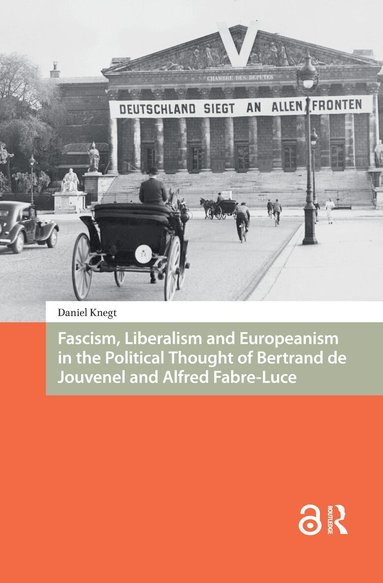
Mer från samma serie
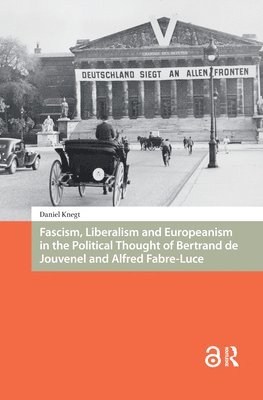
Fascism, Liberalism and Europeanism in the Political Thought of Bertrand de Jouvenel and Alfred Fabre-Luce
Daniel Knegt
Häftad, 2025
949 kr
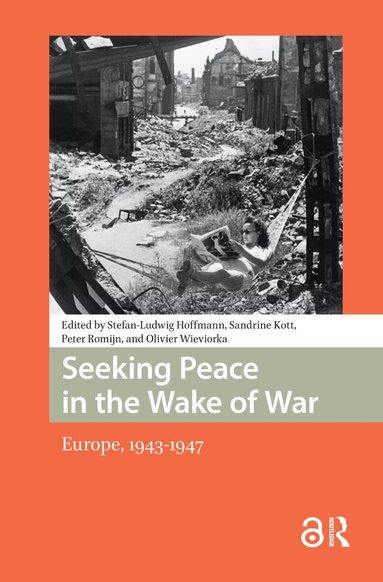
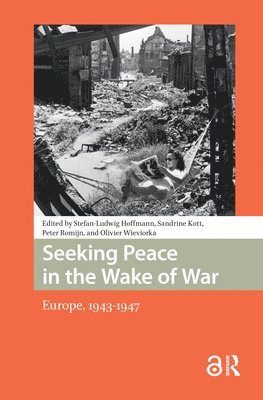
Seeking Peace in the Wake of War
Stefan-Ludwig Hoffmann, Peter Romijn, Sandrine Kott, Olivier Wieviorka
Häftad, 2025
949 kr
Caught in the Middle
Johan den Hertog, Samuel Kruizinga, Johan Den Hertog, Samuel Kruizinga
Häftad, 2011
809 kr
Del 2
Seeking Peace in the Wake of War
Stefan-Ludwig Hoffmann, Sandrine Kott, Peter Romijn, Olivier Wieviorka
Inbunden, 2015
3 349 kr
Hoppa över listan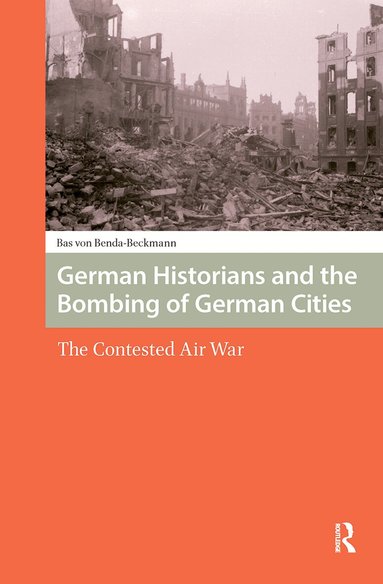


Du kanske också är intresserad av
Del 2
Seeking Peace in the Wake of War
Stefan-Ludwig Hoffmann, Sandrine Kott, Peter Romijn, Olivier Wieviorka
Inbunden, 2015
3 349 kr
Del 5
Fascism, Liberalism and Europeanism in the Political Thought of Bertrand de Jouvenel and Alfred Fabre-Luce
Daniel Knegt
Inbunden, 2017
3 349 kr
Caught in the Middle
Johan den Hertog, Samuel Kruizinga, Johan Den Hertog, Samuel Kruizinga
Häftad, 2011
809 kr
- Nyhet
Del 6