
Del i serien Critical Moments in American History
From Selma to Montgomery
The Long March to Freedom
Inbunden, Engelska, 2013
3 309 kr
Beställningsvara. Skickas inom 10-15 vardagar. Fri frakt för medlemmar vid köp för minst 249 kr.
Finns i fler format (1)
On March 7, 1965, a peaceful voting rights demonstration in Selma, Alabama, was met with an unprovoked attack of shocking violence that riveted the attention of the nation. In the days and weeks following "Bloody Sunday," the demonstrators would not be deterred, and thousands of others joined their cause, culminating in the successful march from Selma to Montgomery. The protest marches led directly to the passage of the Voting Rights Act of 1965, a major piece of legislation, which, ninety-five years after the passage of the Fifteenth Amendment, made the practice of the right to vote available to all Americans, irrespective of race. From Selma to Montgomery chronicles the marches, placing them in the context of the long Civil Rights Movement, and considers the legacy of the Act, drawing parallels with contemporary issues of enfranchisement.In five concise chapters bolstered by primary documents including civil rights legislation, speeches, and news coverage, Combs introduces the Civil Rights Movement to undergraduates through the courageous actions of the freedom marchers.
Produktinformation
- Utgivningsdatum2013-11-26
- Mått152 x 229 x 17 mm
- Vikt600 g
- FormatInbunden
- SpråkEngelska
- SerieCritical Moments in American History
- Antal sidor234
- FörlagTaylor & Francis Ltd
- ISBN9780415529594
Tillhör följande kategorier
Hoppa över listan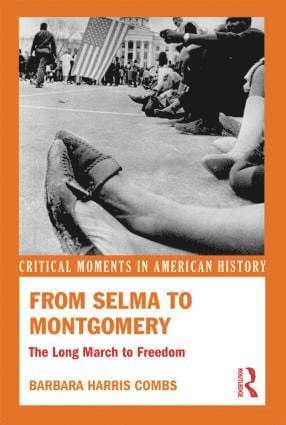




Du kanske också är intresserad av
- Nyhet
Del 3
- Nyhet
Del 11
- Nyhet
Del 6
- Nyhet
Del 4
Del 3
Del 1
Del 2