
Del 7 i serien RSA Series in Transdisciplinary Rhetoric
From Hysteria to Hormones
A Rhetorical History
Inbunden, Engelska, 2018
1 639 kr
Skickas . Fri frakt för medlemmar vid köp för minst 249 kr.
Finns i fler format (1)
In From Hysteria to Hormones, Amy Koerber examines the rhetorical activity that preceded the early twentieth-century emergence of the word hormone and the impact of this word on expert understandings of women’s health.Shortly after Ernest Henry Starling coined the term “hormone” in 1905, hormones began to provide a chemical explanation for bodily phenomena that were previously understood in terms of “wandering wombs,” humors, energies, and balance. In this study, Koerber posits that the discovery of hormones was not so much a revolution as an exigency that required old ways of thinking to be twisted, reshaped, and transformed to fit more scientific turn-of-the-century expectations of medical practices. She engages with texts from a wide array of medical and social scientific subdisciplines; with material from medical archives, including patient charts, handwritten notes, and photographs from the Salpêtrière Hospital, where Dr. Jean Charcot treated hundreds of hysteria patients in the late nineteenth century; and with current rhetorical theoretical approaches to the study of health and medicine. In doing so, Koerber shows that the boundary between older, nonscientific ways of understanding women’s bodies and newer, scientific understandings is much murkier than we might expect.A clarifying examination of how the term “hormones” preserves key concepts that have framed our understanding of women’s bodies from ancient times to the present, this innovative book illuminates the ways in which the words we use today to discuss female reproductive health aren’t nearly as scientifically accurate or socially progressive as believed. Scholars of rhetoric, gender studies, and women’s health will find Koerber’s work provocative and valuable.
Produktinformation
- Utgivningsdatum2018-04-12
- Mått152 x 229 x 25 mm
- Vikt680 g
- FormatInbunden
- SpråkEngelska
- SerieRSA Series in Transdisciplinary Rhetoric
- Antal sidor264
- FörlagPennsylvania State University Press
- ISBN9780271080857
Tillhör följande kategorier
Hoppa över listan

Mer från samma författare
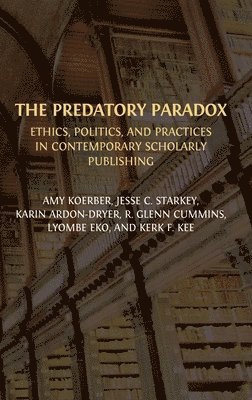
The Predatory Paradox: Ethics, Politics, and Practices in Contemporary Scholarly Publishing
Amy Koerber, Jesse C. Starkey
Häftad, 2023
539 kr
The Predatory Paradox: Ethics, Politics, and Practices in Contemporary Scholarly Publishing
Amy Koerber, Jesse C. Starkey
Inbunden, 2023
749 kr
Hoppa över listan





Mer från samma serie
Del 1
Del 1
Del 2
Del 4
Del 5
Del 5
Del 6
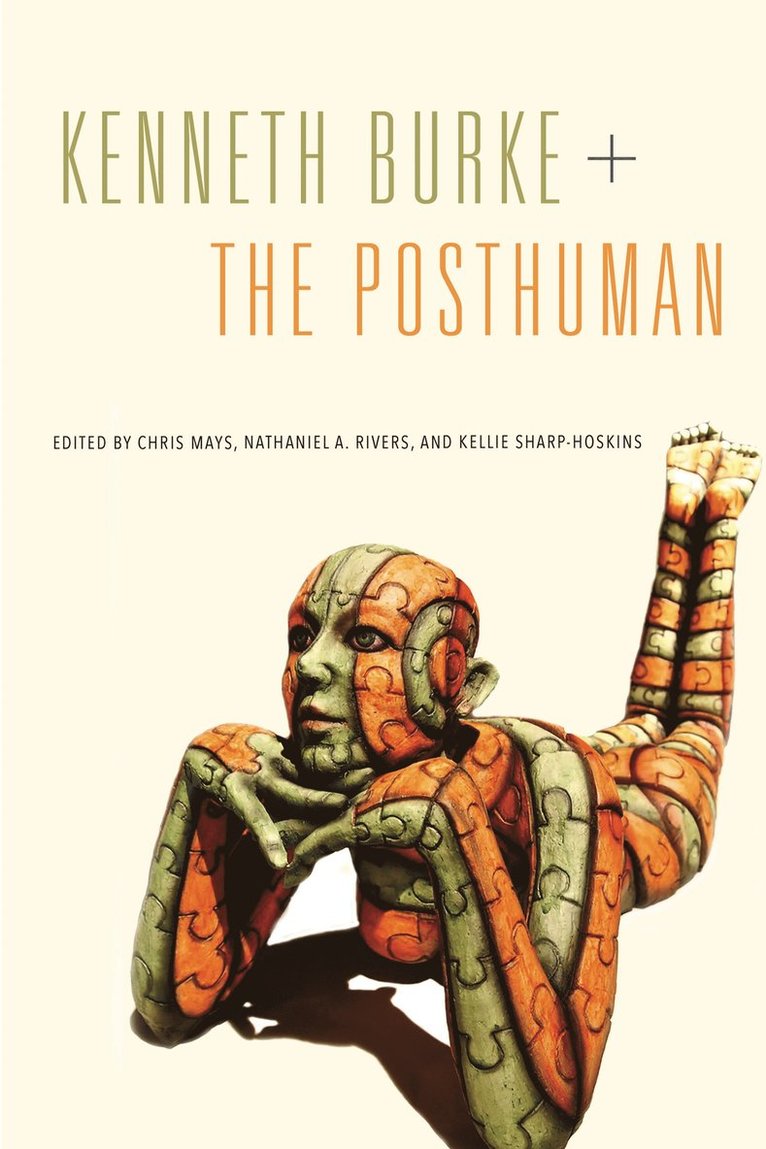
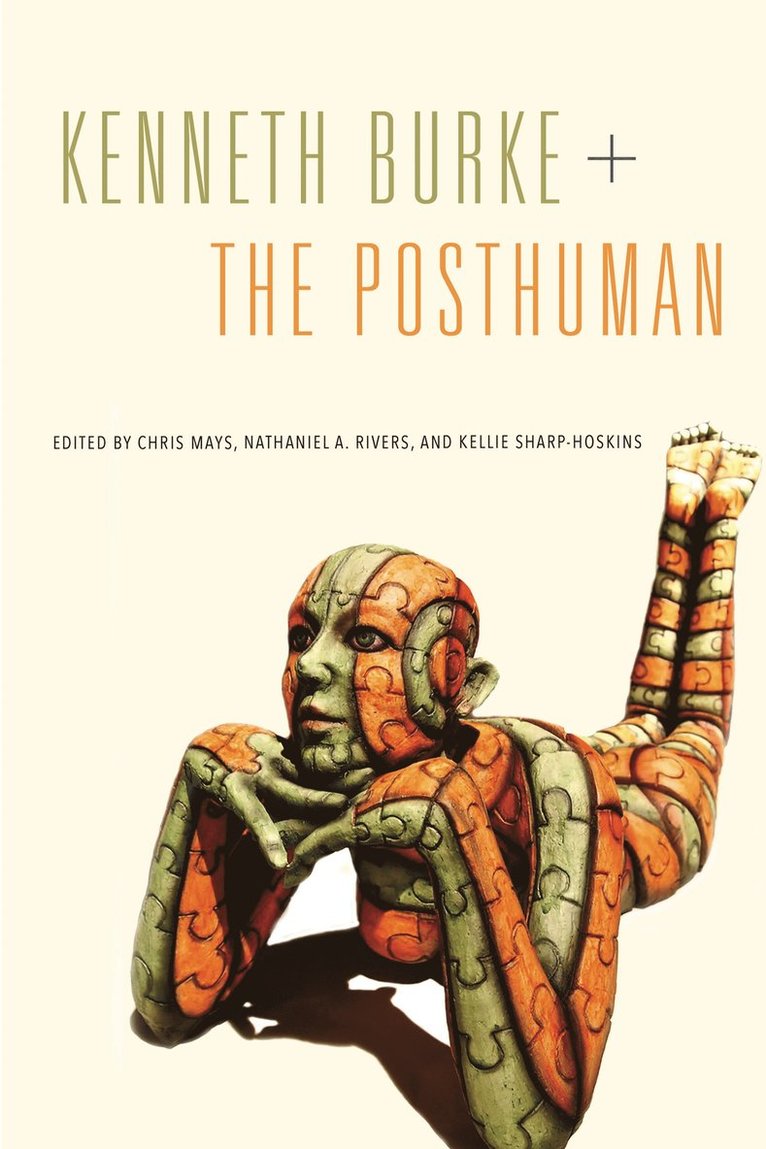
Kenneth Burke + The Posthuman
Chris Mays, Nathaniel A. Rivers, Kellie Sharp-Hoskins
Inbunden, 2017
1 919 kr
Del 6
Kenneth Burke + The Posthuman
Chris Mays, Nathaniel A. Rivers, Kellie Sharp-Hoskins
Häftad, 2017
579 kr
Del 8
Del 9
Hoppa över listan




Du kanske också är intresserad av
Del 7
The Predatory Paradox: Ethics, Politics, and Practices in Contemporary Scholarly Publishing
Amy Koerber, Jesse C. Starkey
Häftad, 2023
539 kr
The Predatory Paradox: Ethics, Politics, and Practices in Contemporary Scholarly Publishing
Amy Koerber, Jesse C. Starkey
Inbunden, 2023
749 kr
Del 18
Del 14
Del 24
- Nyhet
Del 11
- Nyhet
Del 3
Del 24