
Del i serien Studies in Modern French and Francophone History
From Empire to Exile
History and Memory within the Pied-Noir and Harki Communities, 1962–2012
Häftad, Engelska, 2018
489 kr
Beställningsvara. Skickas inom 5-8 vardagar. Fri frakt för medlemmar vid köp för minst 249 kr.
Finns i fler format (1)
This book explores the commemorative afterlives of the Algerian War of Independence (1954-62), one of the world's most iconic wars of decolonisation. It focuses on the million French settlers - pieds-noirs - and the tens of thousands of harkis - the French army's native auxiliaries - who felt compelled to migrate to France when colonial rule ended. Challenging the idea that Algeria was a 'forgotten' war that only returned to French public attention in the 1990s, this study reveals a dynamic picture of memory activism undertaken continuously since 1962 by grassroots communities connected to this conflict. Reconceptualising the ways in which the Algerian War has been debated, evaluated and commemorated in the subsequent five decades, From empire to exile makes an original contribution to important discussions surrounding the contentious issues of memory, migration and empire in contemporary France that will appeal to students and scholars of history and cultural studies.
Produktinformation
- Utgivningsdatum2018-03-06
- Mått138 x 216 x 19 mm
- Vikt408 g
- FormatHäftad
- SpråkEngelska
- SerieStudies in Modern French and Francophone History
- Antal sidor352
- FörlagManchester University Press
- ISBN9781526127167
- UtmärkelserWinner of Winner of the RHS Gladstone Prize 2017 (UK)
Tillhör följande kategorier
Hoppa över listan
Mer från samma serie
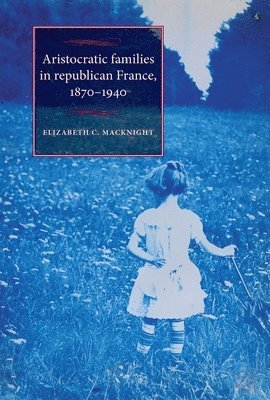
Aristocratic Families in Republican France, 1870–1940
Elizabeth Chalmers MacKnight
Inbunden, 2012
1 589 kr
Hoppa över listan


Du kanske också är intresserad av
Aristocratic Families in Republican France, 1870–1940
Elizabeth Chalmers MacKnight
Inbunden, 2012
1 589 kr
- Nyhet
Del 3