
Del 6 i serien Heritage and Memory Studies
Fragments of the Holocaust
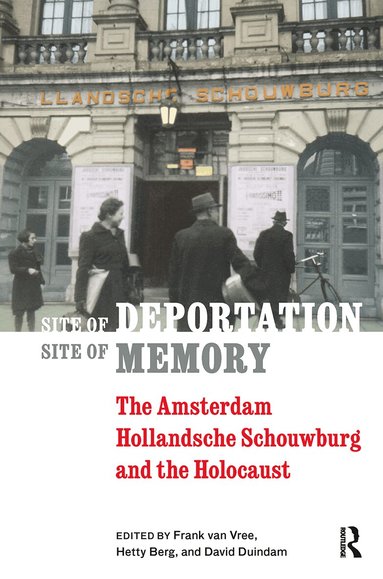
The Amsterdam Hollandsche Schouwburg as a Site of Memory
Inbunden, Engelska, 2018
2 839 kr
Beställningsvara. Skickas inom 10-15 vardagar. Fri frakt för medlemmar vid köp för minst 249 kr.
Finns i fler format (1)
David Duindam examines how the Hollandsche Schouwburg, a former theatre in Amsterdam used for the registration and deportation of nearly 50,000 Jews, became a memorial museum, and how it will continue to be a meaningful site for future generations.
Produktinformation
- Utgivningsdatum2018-12-17
- Mått156 x 234 x 15 mm
- Vikt502 g
- FormatInbunden
- SpråkEngelska
- SerieHeritage and Memory Studies
- Antal sidor236
- Upplaga0
- FörlagAmsterdam University Press
- ISBN9789462986886
Tillhör följande kategorier
Hoppa över listan
Mer från samma serie
Archaeological Approaches to and Heritage Perspectives on Modern Conflict
Max van der Schriek
Häftad, 2025
949 kr
Friction, Fragmentation, and Diversity
Kirsti Salmi-Niklander, Sofia Laine, Päivi Salmesvuori, Ulla Savolainen, Riikka Taavetti
Häftad, 2025
949 kr
Hoppa över listan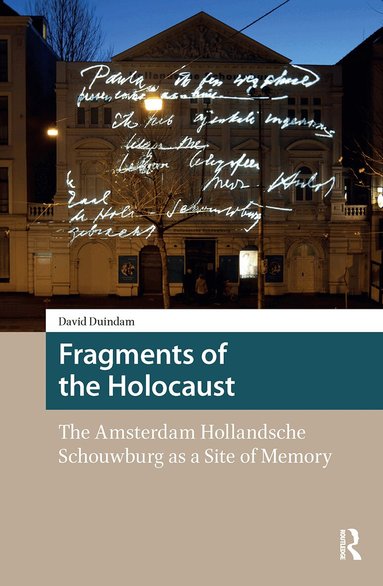
Du kanske också är intresserad av
Friction, Fragmentation, and Diversity
Kirsti Salmi-Niklander, Sofia Laine, Päivi Salmesvuori, Ulla Savolainen, Riikka Taavetti
Inbunden, 2021
2 839 kr
Del 26
Questioning Traumatic Heritage
Ihab Saloul, Patrizia Violi, Anna Lorusso, Cristina Demaria
Inbunden, 2024
2 839 kr
- Nyhet
Del 6
Del 21
Literary Hispanophobia and Hispanophilia in Britain and the Low Countries (1550-1850)
Yolanda Rodríguez Pérez
Häftad, 2025
1 339 kr