
Forgotten Firebrand
James Redpath and the Making of Nineteenth-Century America
Inbunden, Engelska, 2008
1 089 kr
Beställningsvara. Skickas inom 10-15 vardagar. Fri frakt för medlemmar vid köp för minst 249 kr.
The reformer James Redpath (1833–1891) was a focal figure in many of the key developments in nineteenth-century American political and cultural life. He befriended John Brown, Samuel Clemens, and Henry George and, toward the end of his life, was a ghostwriter for Jefferson Davis. He advocated for abolition, civil rights, Irish nationalism, women's suffrage, and labor unions. In Forgotten Firebrand, the first full-length biography of this fascinating American, John R. McKivigan portrays the many facets of Redpath's life, including his stint as a reporter for the New York Tribune, his involvement with the Haitian emigration movement, and his time as a Civil War correspondent.Examining Redpath's varied career enables McKivigan to cast light on the history of journalism, public speaking, and mass entertainment in the United States. Redpath's newspaper writing is credited with popularizing the stenographic interview in the American press, and he can be studied as a prototype for later generations of newspaper writers who blended reportage with participation in reform movements. His influential biography of John Brown justified the use of violent actions in the service of abolitionism.Redpath was an important figure in the emerging professional entertainment industry in this country. Along with his friend P. T. Barnum, Redpath popularized the figure of the "impresario" in American culture. Redpath's unique combination of interests and talents—for politics, for journalism, for public relations—brought an entrepreneurial spirit to reform that blurred traditional lines between business and social activism and helped forge modern concepts of celebrity.
Produktinformation
- Utgivningsdatum2008-03-04
- Mått155 x 235 x 25 mm
- Vikt907 g
- FormatInbunden
- SpråkEngelska
- Antal sidor312
- FörlagCornell University Press
- ISBN9780801446733
Tillhör följande kategorier
Hoppa över listan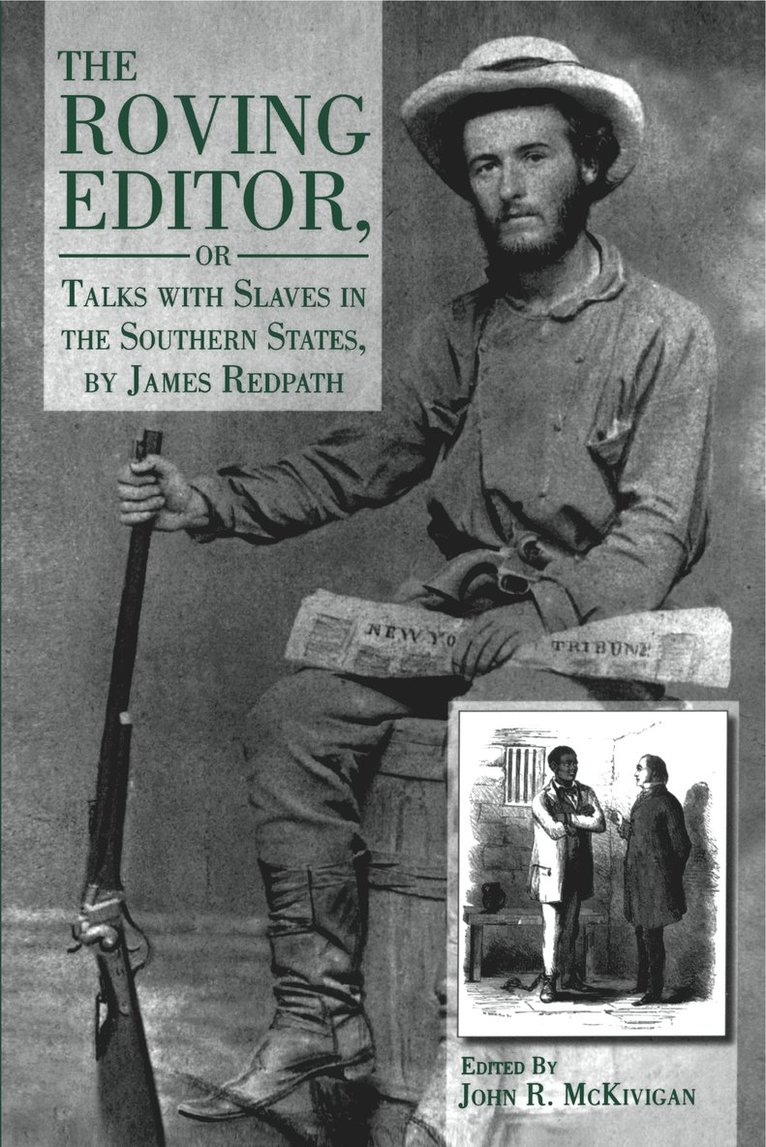

Mer från samma författare
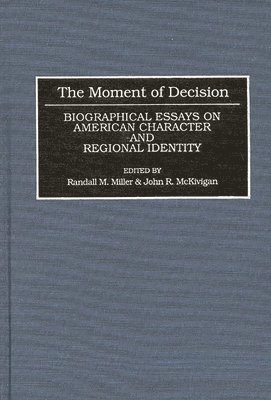
Moment of Decision
John McKivigan, Randall M. Miller, Randall M. Miller, John R. McKivigan, John R. Mckivigan
Inbunden, 1994
1 409 kr
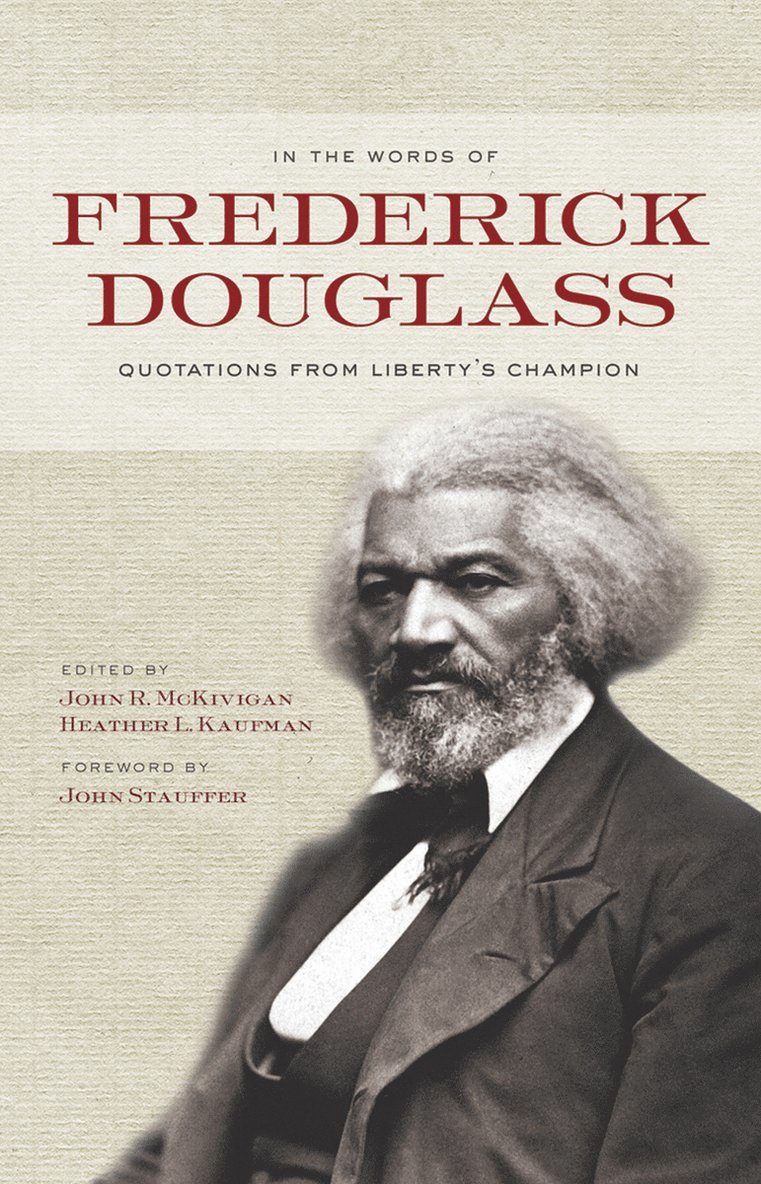
In the Words of Frederick Douglass
Frederick Douglass, John R. McKivigan, Heather L. Kaufman
Inbunden, 2012
439 kr
Hoppa över listan
Du kanske också är intresserad av
Frederick Douglass in Britain and Ireland, 1845-1895
Hannah-Rose Murray, John R. McKivigan
Häftad, 2023
949 kr
In the Words of Frederick Douglass
Frederick Douglass, John R. McKivigan, Heather L. Kaufman
Inbunden, 2012
439 kr
Moment of Decision
John McKivigan, Randall M. Miller, Randall M. Miller, John R. McKivigan, John R. Mckivigan
Inbunden, 1994
1 409 kr