
Florida Room
Inbunden, Engelska, 2022
1 549 kr
Beställningsvara. Skickas inom 5-8 vardagar. Fri frakt för medlemmar vid köp för minst 249 kr.
Finns i fler format (1)
In The Florida Room Alexandra T. Vazquez listens to the music and history of Miami to offer a lush story of place and people, movement and memory, dispossession and survival. She transforms the “Florida room”-an actual architectural phenomenon-into a vibrant spatial imaginary for Miami’s musical cultures and everyday life. Drawing on songs, ephemera, and oral histories from artists, families, and inheritors of their traditions, Vazquez hears Miami as a city that has long been shaped by Indigenous Florida, the Bahamas, the Caribbean, and southern Georgia. She draws connections between seemingly disparate artists, sounds, and stories, from singer Gwen McCrae to pirate radio innovator DJ Uncle Al, from the Miccosukee rock band Tiger Tiger to the Cuban-American songwriter Desmond Child, among the percussionists Dafnis Prieto, Obed Calvaire, and Yosvany Terry, and through the notes of Eloise Lewis, Betty Wright, and the Miami Bass group Anquette. By listening to musical collaborations and ancestral ties across place and time, Vazquez brings together formal musical details, the histories of people and locations they hold, and the aesthetic traditions transformed inside them.
Produktinformation
- Utgivningsdatum2022-04-01
- Mått152 x 229 x 18 mm
- Vikt567 g
- FormatInbunden
- SpråkEngelska
- Antal sidor248
- FörlagDuke University Press
- ISBN9781478015307
Tillhör följande kategorier
Hoppa över listan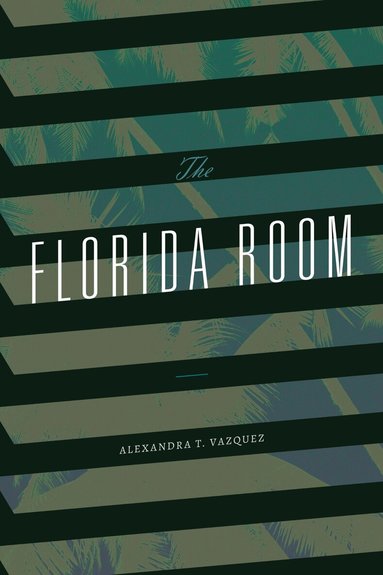




Du kanske också är intresserad av
- Nyhet
Del 7
- Nyhet
Del 11
- Nyhet
Del 4
- Nyhet
Del 6
- Nyhet
Del 3
- Nyhet