
Flexible Working and Organisational Change
The Integration of Work and Personal Life
Inbunden, Engelska, 2005
3 029 kr
Beställningsvara. Skickas inom 5-8 vardagar. Fri frakt för medlemmar vid köp för minst 249 kr.
Organisations and the nature of work have undergone fundamental changes in recent decades. At the same time, the traditional family pattern in Europe is being challenged by the growing number of dual-income families, and by the rise of women's employment. The central aim of this book is to consider to what extent changes in organisations and in the nature of jobs are compatible with the need, increasingly expressed by employees, for greater integration between work and family life. The book questions what sort of dilemmas modern and future employees face, in terms of shaping their careers and organising their lives at home. The authors formulate answers to these problematic questions by shedding light on relevant developments in the European labour markets, the European workplaces, in (flexible) working patterns, changing preferences for working hours and in gender relations at work.With a focus on future developments, this book will be of interest to labour market researchers and social policymakers in Europe, and also students in the social sciences, management (HRM) and social policy.
Produktinformation
- Utgivningsdatum2005-09-28
- Mått138 x 216 x undefined mm
- FormatInbunden
- SpråkEngelska
- FörlagEdward Elgar Publishing Ltd
- ISBN9781843766186
Tillhör följande kategorier
Hoppa över listan




Du kanske också är intresserad av
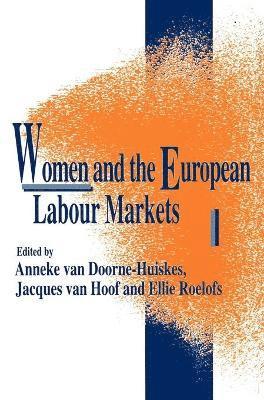
Women and the European Labour Markets
Anneke van Doorne-Huiskes, Jacques J van Hoof, Ellie Roelofs
Inbunden, 1995
4 199 kr
- Nyhet
- Nyhet
- Nyhet
Del 6
- Nyhet
Del 11
Del 3
Del 1
- Nyhet