
Fabricating Authenticity in Soviet Hungary
The Afterlife of the First Hungarian Soviet Republic in the Age of State Socialism
Inbunden, Engelska, 2014
1 519 kr
Beställningsvara. Skickas inom 5-8 vardagar. Fri frakt för medlemmar vid köp för minst 249 kr.
Finns i fler format (1)
This book explores the memory of the First Hungarian Soviet Republic of 1919, which proved crucial for communist Hungarian political culture in the twentieth century. Apor approaches the topic in an innovative way, focusing on the understudied aspects of European memory cultures. Offering great insights on how a dictatorship remembers and the concept of authenticity, Apor’s study integrates the broad range of processes through which history is sought to be rendered authentic. The volume successfully reveals the crooked history of the retrospective revisions of the iconic First Republic between the years of its 30th and 40th anniversary, 1949 and 1959.
Produktinformation
- Utgivningsdatum2014-03-01
- Mått153 x 229 x 26 mm
- Vikt454 g
- FormatInbunden
- SpråkEngelska
- SerieAnthem Series on Russian, East European and Eurasian Studies
- Antal sidor228
- FörlagAnthem Press
- ISBN9780857281104
Tillhör följande kategorier
Hoppa över listan
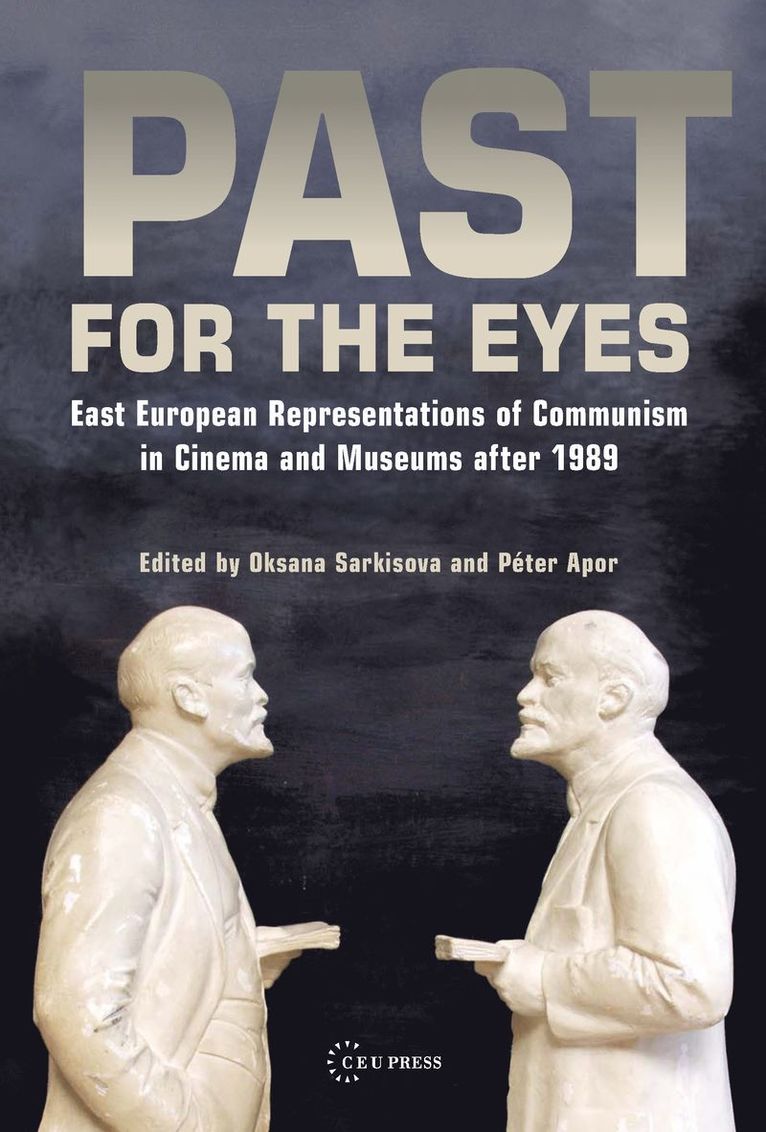
Mer från samma författare
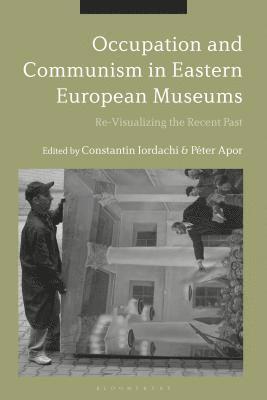
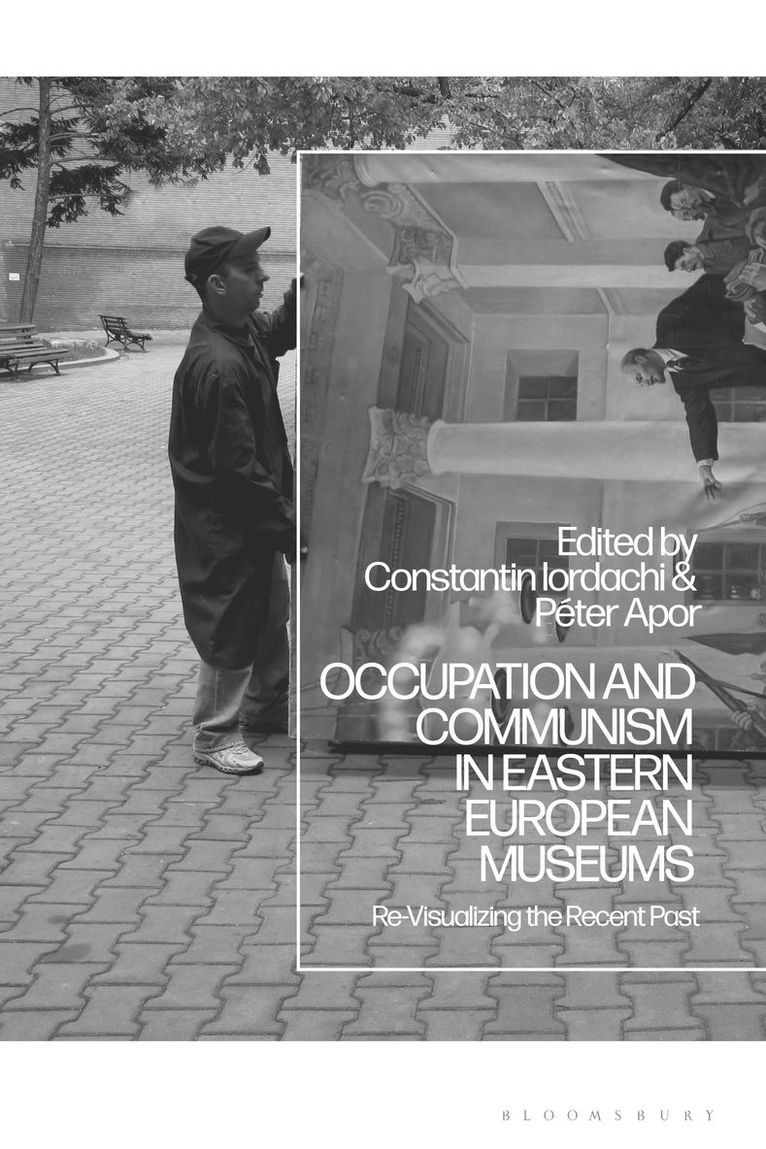
Occupation and Communism in Eastern European Museums
Constantin Iordachi, Péter Apor
Inbunden, 2021
1 869 kr
Occupation and Communism in Eastern European Museums
Constantin Iordachi, Péter Apor
Häftad, 2023
569 kr
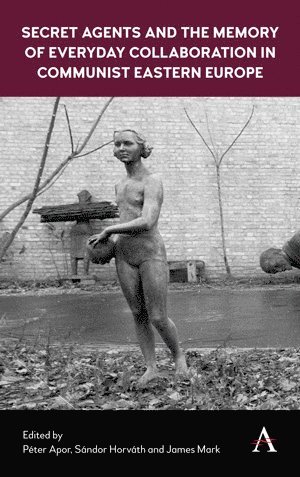
Secret Agents and the Memory of Everyday Collaboration in Communist Eastern Europe
Péter Apor, Sándor Horváth, James Mark
Inbunden, 2017
1 519 kr
Hoppa över listan

Mer från samma serie
Politics and the Theory of Language in the USSR 1917-1938
Craig Brandist, Katya Chown
Häftad, 2011
619 kr
Hoppa över listan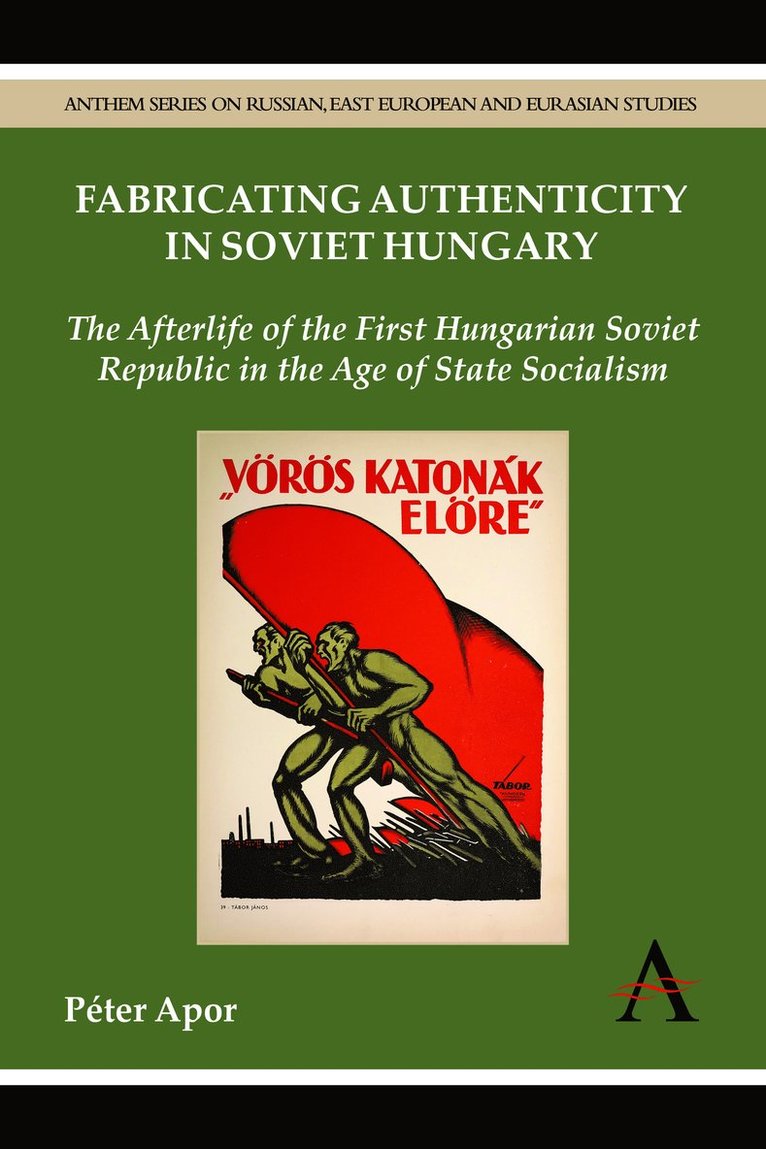
Du kanske också är intresserad av
Occupation and Communism in Eastern European Museums
Constantin Iordachi, Péter Apor
Häftad, 2023
569 kr
Secret Agents and the Memory of Everyday Collaboration in Communist Eastern Europe
Péter Apor, Sándor Horváth, James Mark
Inbunden, 2017
1 519 kr
Occupation and Communism in Eastern European Museums
Constantin Iordachi, Péter Apor
Inbunden, 2021
1 869 kr