
Del 15
Del 68 i serien Medieval and Early Modern Iberian World
Exceptional Crime in Early Modern Spain
Taxonomic and Intellectual Perspectives
Inbunden, Engelska, 2019
2 209 kr
Beställningsvara. Skickas inom 5-8 vardagar. Fri frakt för medlemmar vid köp för minst 249 kr.
Exceptional Crime in Early Modern Spain accounts for the representation of violent and complex murders, analysing the role of the criminal, its portrayal through rhetorical devices, and its cultural and aesthetic impact.Proteic traits allow for an understanding of how crime is constructed within the parameters of exception, borrowing from pre-existent forms while devising new patterns and categories such as criminography, the “star killer”, the staging of crimes as suicides, serial murders, and the faking of madness. These accounts aim at bewildering and shocking demanding readers through a carefully displayed cult to excessive behaviour. The arranged “economy of death” displayed in murder accounts will set them apart from other exceptional instances, as proven by their long-standing presence in subsequent centuries.
Produktinformation
- Utgivningsdatum2019-06-27
- Mått155 x 235 x 18 mm
- Vikt503 g
- FormatInbunden
- SpråkEngelska
- SerieMedieval and Early Modern Iberian World
- Antal sidor218
- FörlagBrill
- ISBN9789004390171
Tillhör följande kategorier
Hoppa över listan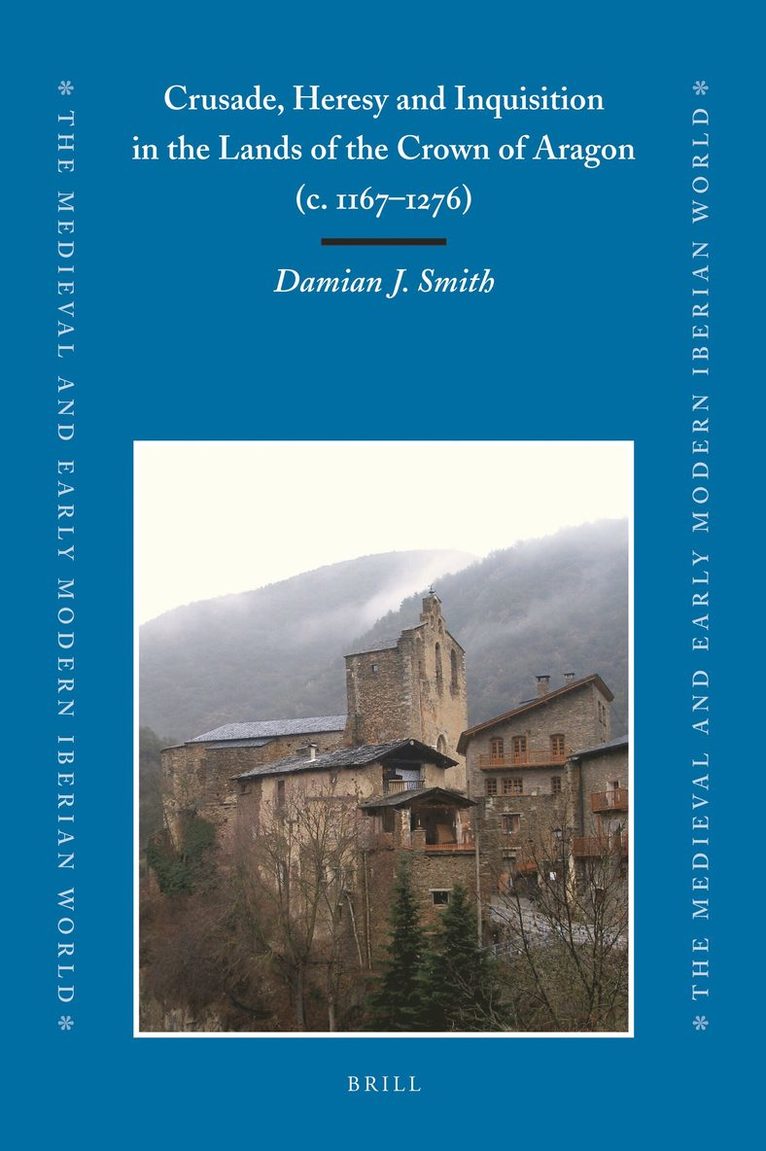

Du kanske också är intresserad av
Del 39
Crusade, Heresy and Inquisition in the Lands of the Crown of Aragon, c. 1167-1276
Damian Smith
Inbunden
3 009 kr
Del 71
Del 54
Del 36
Del 37
Del 82
Iberian Babel: Translation and Multilingualism in the Medieval and the Early Modern Mediterranean
Michelle M. Hamilton
Inbunden
2 349 kr
Del 81
Del 58
Del 66
Del 40