
Del i serien Routledge Explorations in Economic History
Europe's Green Revolution and Others Since
The Rise and Fall of Peasant-Friendly Plant Breeding
Inbunden, Engelska, 2012
3 279 kr
Beställningsvara. Skickas inom 10-15 vardagar. Fri frakt för medlemmar vid köp för minst 249 kr.
Finns i fler format (1)
How best to foster agricultural development in the Third World has long been a subject of debate and from a European perspective the persistent failure to design peasant-friendly technology is puzzling. From the late 19th century, for example, various western European countries also underwent ‘green revolutions’ in which systematic attempts were made to promote the adoption of technological innovation by peasant-farmers. This book focuses on the development of public-sector plant-breeding in Germany from the late nineteenth century through its fate under National Socialism. Harwood uses this historical case study in order to argue that peasant-friendly research has an important role to play in future Green Revolutions.
Produktinformation
- Utgivningsdatum2012-04-20
- Mått156 x 234 x 21 mm
- Vikt690 g
- FormatInbunden
- SpråkEngelska
- SerieRoutledge Explorations in Economic History
- Antal sidor270
- FörlagTaylor & Francis Ltd
- ISBN9780415598682
Tillhör följande kategorier
Hoppa över listan




Mer från samma serie
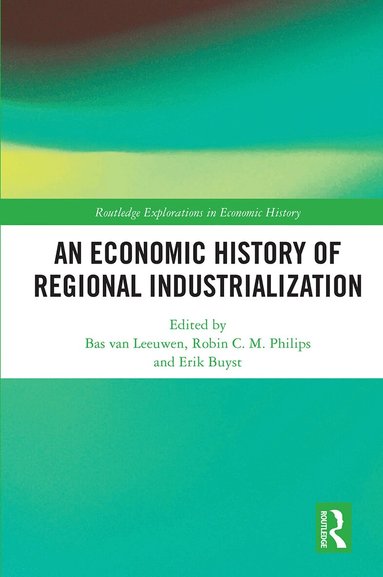
Economic History of Regional Industrialization
Bas van Leeuwen, Robin C.M. Philips, Erik Buyst
Inbunden, 2020
3 279 kr
Economic History of Regional Industrialization
Bas van Leeuwen, Robin C.M. Philips, Erik Buyst
Häftad, 2022
1 069 kr
Hoppa över listan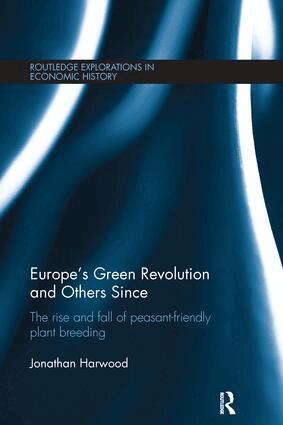







Du kanske också är intresserad av
- Nyhet
Del 3
- Nyhet
- Nyhet
Del 6
- Nyhet
Del 7
- Nyhet
Del 11
- Nyhet
Del 4