
Del i serien Routledge Advances in Television Studies
European Television Fiction Renaissance
Premium Production Models and Transnational Circulation
Häftad, Engelska, 2022
889 kr
Beställningsvara. Skickas inom 10-15 vardagar. Fri frakt för medlemmar vid köp för minst 249 kr.
This book maps the landscape of contemporary European premium television fiction, offering a detailed overview of both the changes in the digital production and distribution and the emergence of specific national and transnational case histories. Combining a media-production approach with a textual and audience analysis, the volume offers a complex, stratified, systemic view of ongoing aesthetic, sociocultural and industrial developments in contemporary European TV. With contributions from leading experts in the field, the book first offers an overview of the industrial, policy and cultural context for the renaissance of European television drama over the past decade, based on original comparative research. This research is then supported by case study chapters from the key contexts within which quality European television is being produced, offering a complex and complete picture of the industry’s strengths and limitations, its traditions and trends, its constraints and future perspectives. A European Television Fiction Renaissance is a must-read book for TV scholars working across Europe and beyond in the areas of media studies, international communications and television studies, media industries studies, production studies, European studies, and media policy studies as well as for those with an interest in television drama, Netflix, globalisation, pay TV and on demand.
Produktinformation
- Utgivningsdatum2022-08-01
- Mått156 x 234 x 24 mm
- Vikt640 g
- FormatHäftad
- SpråkEngelska
- SerieRoutledge Advances in Television Studies
- Antal sidor308
- FörlagTaylor & Francis Ltd
- ISBN9780367641870
Tillhör följande kategorier
Hoppa över listan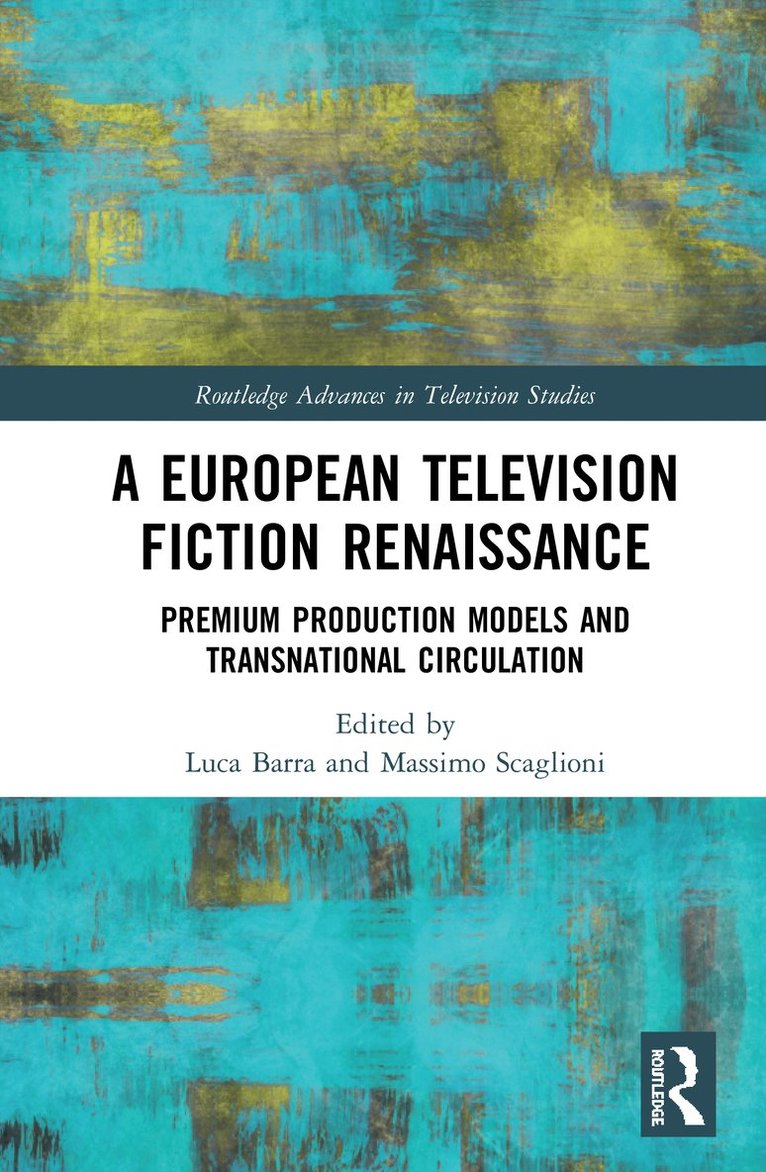


Du kanske också är intresserad av
Italian Contemporary Screen Performers
Luca Barra, Cristina Formenti, Mariapaola Pierini, Francesco Pitassio
Häftad, 2025
589 kr
Italian Contemporary Screen Performers
Luca Barra, Cristina Formenti, Mariapaola Pierini, Francesco Pitassio
Inbunden, 2024
729 kr
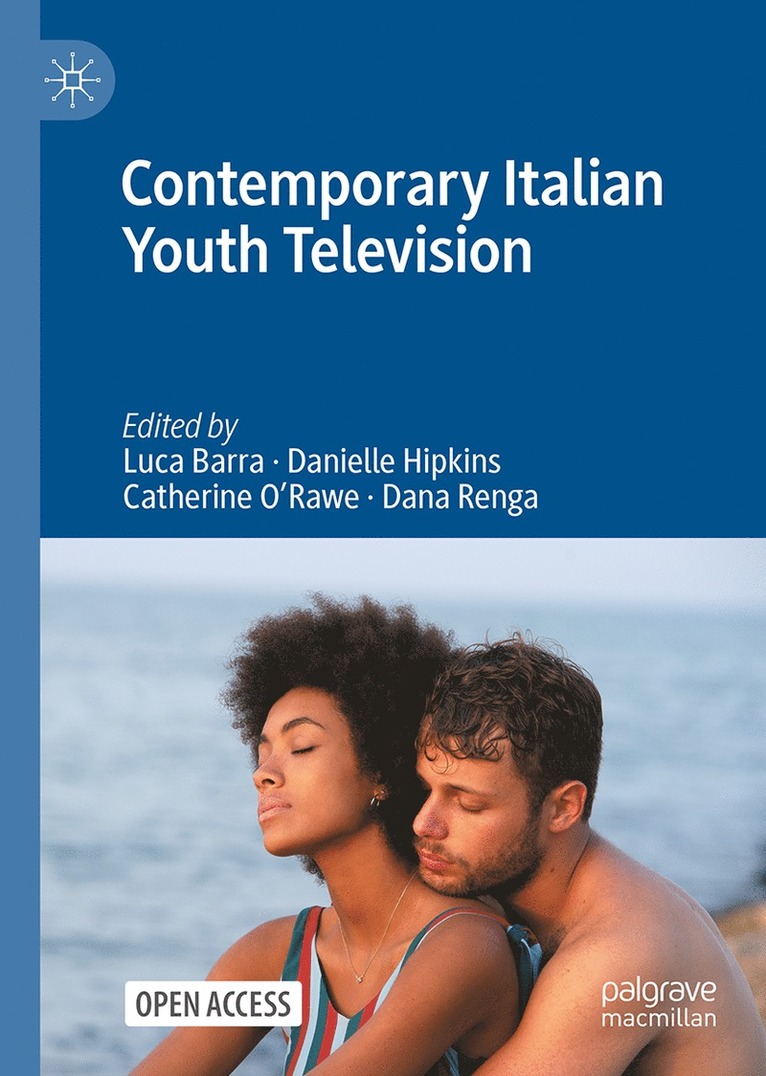
Contemporary Italian Youth Television
Luca Barra, Danielle Hipkins, Catherine O'Rawe, Dana Renga
Inbunden, 2025
729 kr
- Nyhet
Del 11
- Nyhet
Del 4
Del 1
Del 3