
Del i serien European Culture and Society
European Nobility in the Eighteenth Century
Häftad, Engelska, 2003
719 kr
Beställningsvara. Skickas inom 10-15 vardagar. Fri frakt för medlemmar vid köp för minst 249 kr.
The position of the nobility depended on a stable world which accepted their authority: but, in the eighteenth century, that world was becoming increasingly fractured as a result of social and economic developments and new ideas. Since nobles were, in economic terms, an extremely disparate group, ranging from the near destitute to the unimaginably wealthy, how could this ruling class preserve a coherent identity? Was wealth more important than birth or education? How should wealth be retained or accumulated? And what role did women play in shoring up noble pre-eminence?In this wide-ranging study, Jerzy Lukowski addresses these issues, and shows the pressures and tensions - both from governments and from the lower orders - which challenged traditional ruling groups in Europe during the century before the French Revolution. Lukowski explains the basic mechanisms of noble existence and examines how the European aristocracy sought to maintain a sense of solidarity in the midst of widespread change.
Produktinformation
- Utgivningsdatum2003-07-17
- Mått155 x 235 x 16 mm
- Vikt348 g
- FormatHäftad
- SpråkEngelska
- SerieEuropean Culture and Society
- Antal sidor243
- FörlagBloomsbury Publishing PLC
- ISBN9780333652107
Tillhör följande kategorier
Hoppa över listan







Mer från samma författare
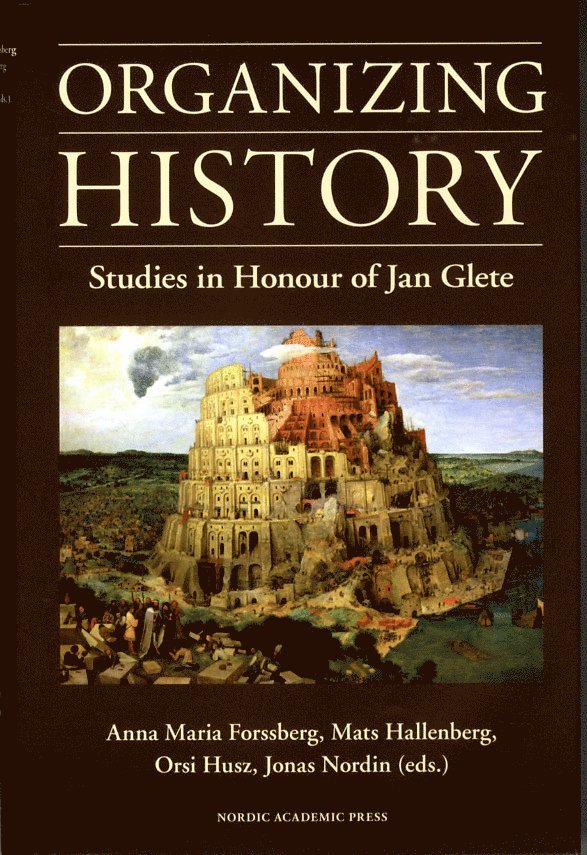
Organizing history : studies in honour of Jan Glete
Jeremy Black, Jaap R. Bruijn, Christer Ericsson, Anna Maria Forssberg, Bo Franzén, Mats Hallenberg, Marika Hedin, Orsi Husz, Arne Jarrick, Ulf Jonsson, Gunner Lind, Enrique Martínez Ruiz, Leos Müller, Jonas Nordin, Magdalena de Pazzis Pi Corrales, Johan Söderberg, Maria Wallenberg Bondesson, Klas Åmark, Gunnar Åselius, Anna Maria Forssberg, Mats Hallenberg, Orsi Husz, Jonas Nordin
Inbunden, 2011
339 kr
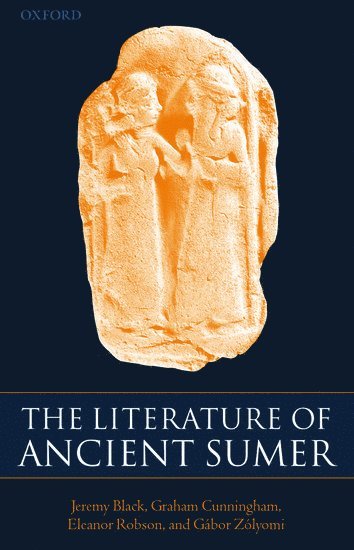
The Literature of Ancient Sumer
Jeremy Black, Graham Cunningham, Eleanor Robson, Gábor Zólyomi
Häftad, 2006
1 949 kr