
Esperanto and Languages of Internationalism in Revolutionary Russia
Inbunden, Engelska, 2021
1 869 kr
Beställningsvara. Skickas inom 10-15 vardagar. Fri frakt för medlemmar vid köp för minst 249 kr.
Finns i fler format (1)
Winner of the 2022 Ab Imperio Award Hoping to unite all of humankind and revolutionize the world, Ludwik Zamenhof launched a new international language called Esperanto from late imperial Russia in 1887. Ordinary men and women in Russia and all over the world soon transformed Esperanto into a global movement. Esperanto and Languages of Internationalism in Revolutionary Russia traces the history and legacy of this effort: from Esperanto’s roots in the social turmoil of the pre-revolutionary Pale of Settlement; to its links to socialist internationalism and Comintern bids for world revolution; and, finally, to the demise of the Soviet Esperanto movement in the increasingly xenophobic Stalinist 1930s. In doing so, this book reveals how Esperanto – and global language politics more broadly – shaped revolutionary and early Soviet Russia.Based on extensive archival materials, Brigid O’Keeffe’s book provides the first in-depth exploration of Esperanto at grassroots level and sheds new light on a hitherto overlooked area of Russian history. As such, Esperanto and Languages of Internationalism in Revolutionary Russia will be of immense value to both historians of modern Russia and scholars of internationalism, transnational networks, and sociolinguistics.
Produktinformation
- Utgivningsdatum2021-06-17
- Mått156 x 234 x 16 mm
- Vikt553 g
- FormatInbunden
- SpråkEngelska
- Antal sidor266
- FörlagBloomsbury Publishing PLC
- ISBN9781350160651
- UtmärkelserWinner of Ab Imperio Award for Best Book 2022 (United States)
Tillhör följande kategorier
Hoppa över listan
Mer från samma författare
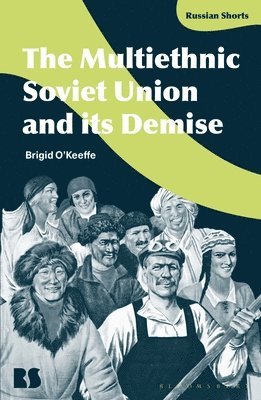
Multiethnic Soviet Union and its Demise
Brigid O'Keeffe, Stephen M. Norris, Stephen M Norris, Polly Jones
Häftad, 2022
289 kr
Hoppa över listan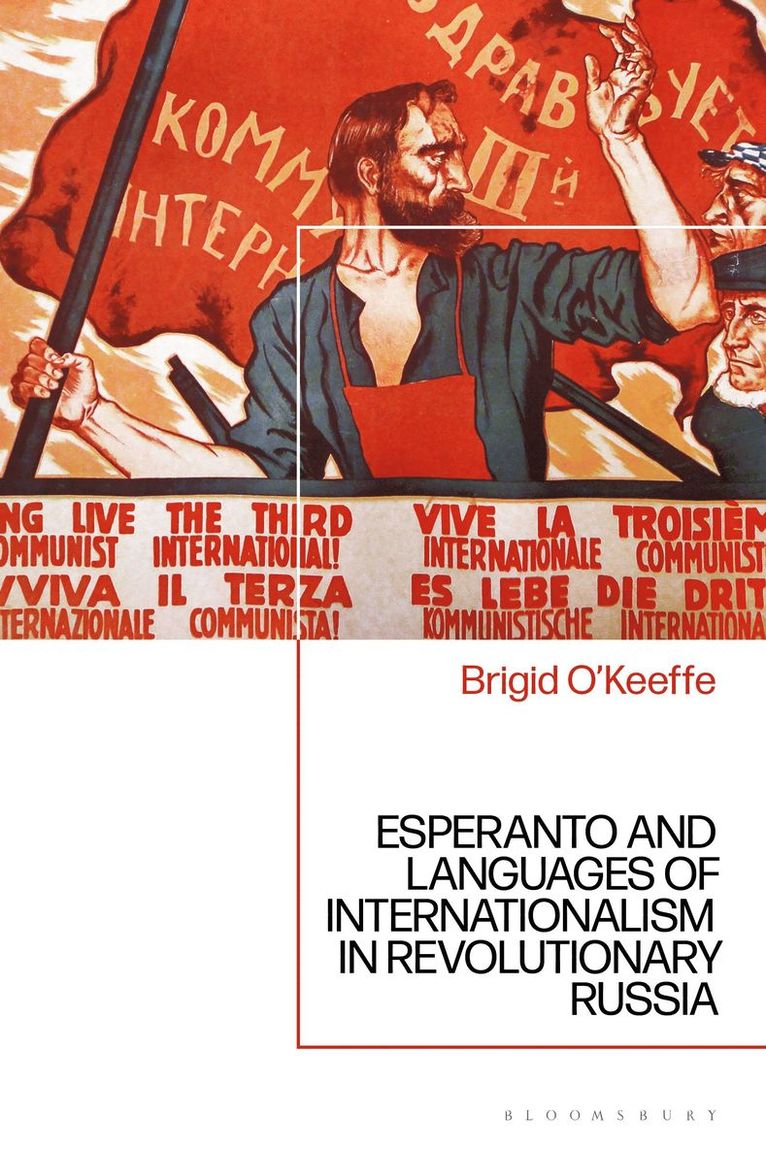



Du kanske också är intresserad av
Esperanto and Languages of Internationalism in Revolutionary Russia
Brigid O'Keeffe
Häftad, 2022
599 kr
Multiethnic Soviet Union and its Demise
Brigid O'Keeffe, Stephen M. Norris, Stephen M Norris, Polly Jones
Häftad, 2022
289 kr
- Nyhet
Del 3
- Nyhet
Del 11
Del 2
- Nyhet
Del 5