
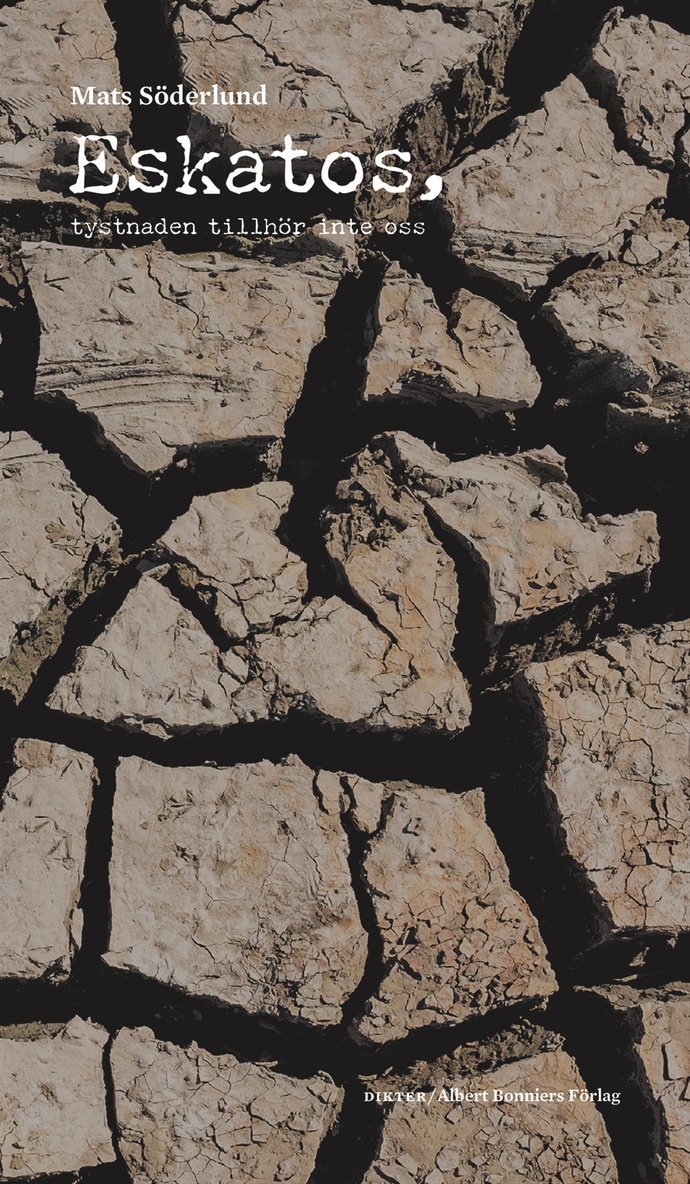
Eskatos and the Stretched Necks of Stillness
Inbunden, Engelska, 2026
219 kr
Beställningsvara. Skickas inom 5-8 vardagar. Fri frakt för medlemmar vid köp för minst 249 kr.
The English-language debut and foremost work of lauded Nordic poet Mats Söderlund, winner of the 2025 Karin Boye Literary Prize, the 2024 Norrland Literature Prize, and the Swedish Catapult Prize.In a sweeping but intimate blend of ecopoetry, mythology, and political verse, Eskatos & the Stretched Necks of Stillness communes with Sweden’s primeval woodlands during an age of transformation. These collected poems lead the reader down overgrown paths, beyond the flickering of leaves and lichen, to meet the dead: a troop of scattering spirits that Söderlund sets out to praise, and to mourn. Shining of rain and gnawing of sorrow, cast from stone, frost, surgical nails, and charcoal ash, Söderlund’s hypnotic ode forms a fragile tether to a world and past that threatens to slip through our fingers, and which no generation who seeks to survive can disclaim.
Produktinformation
- Utgivningsdatum2026-04-09
- Mått133 x 187 x 12 mm
- Vikt156 g
- FormatInbunden
- SpråkEngelska
- Antal sidor160
- FörlagRestless Books
- ISBN9781632064158
- ÖversättareOlivia Olsen
Tillhör följande kategorier
Hoppa över listan

Mer från samma författare
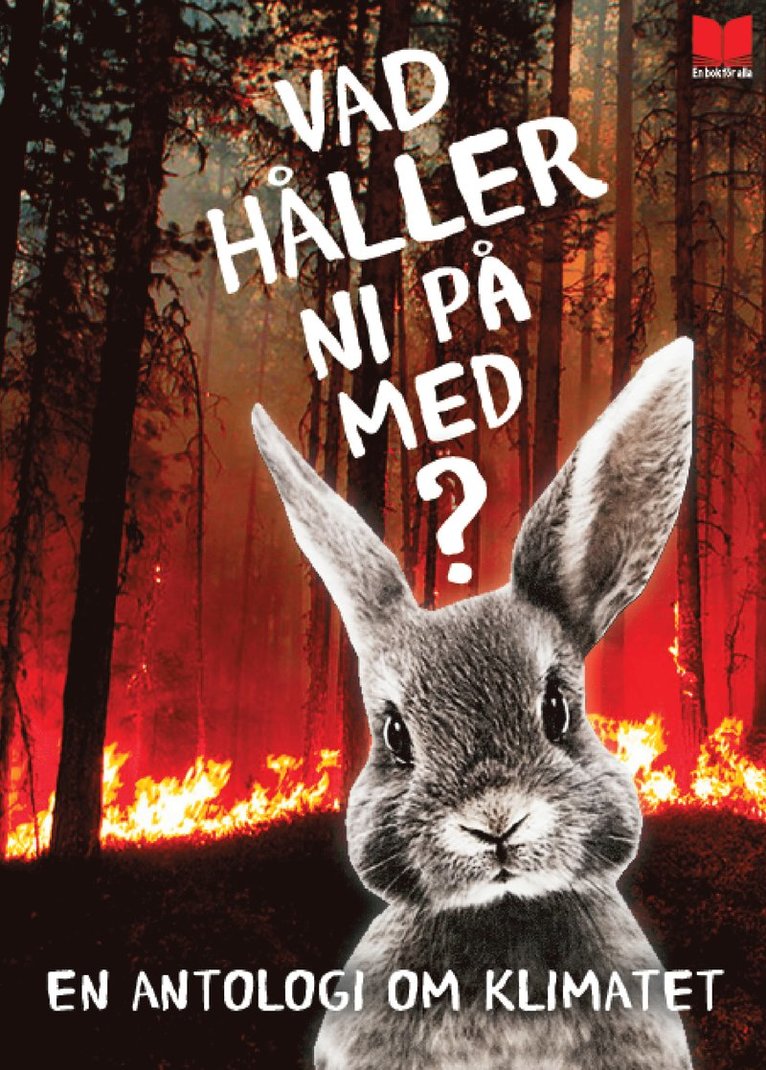
Vad håller ni på med? : en antologi om klimatet
Elisabeth Östnäs, Herman Geijer, Mats Jonsson, Mats Söderlund, Inger Edelfelt, Kalle Johansson, Frida Hylander, Björn Wiman, Greta Thunberg, Torill Kornfeldt, Malin Wollin, Kata Nylén, Kali Andersson, Annahita Yazdi, Ida Olofsson, Tyler Young, Charlotte Qvandt
Häftad, 2019
159 kr
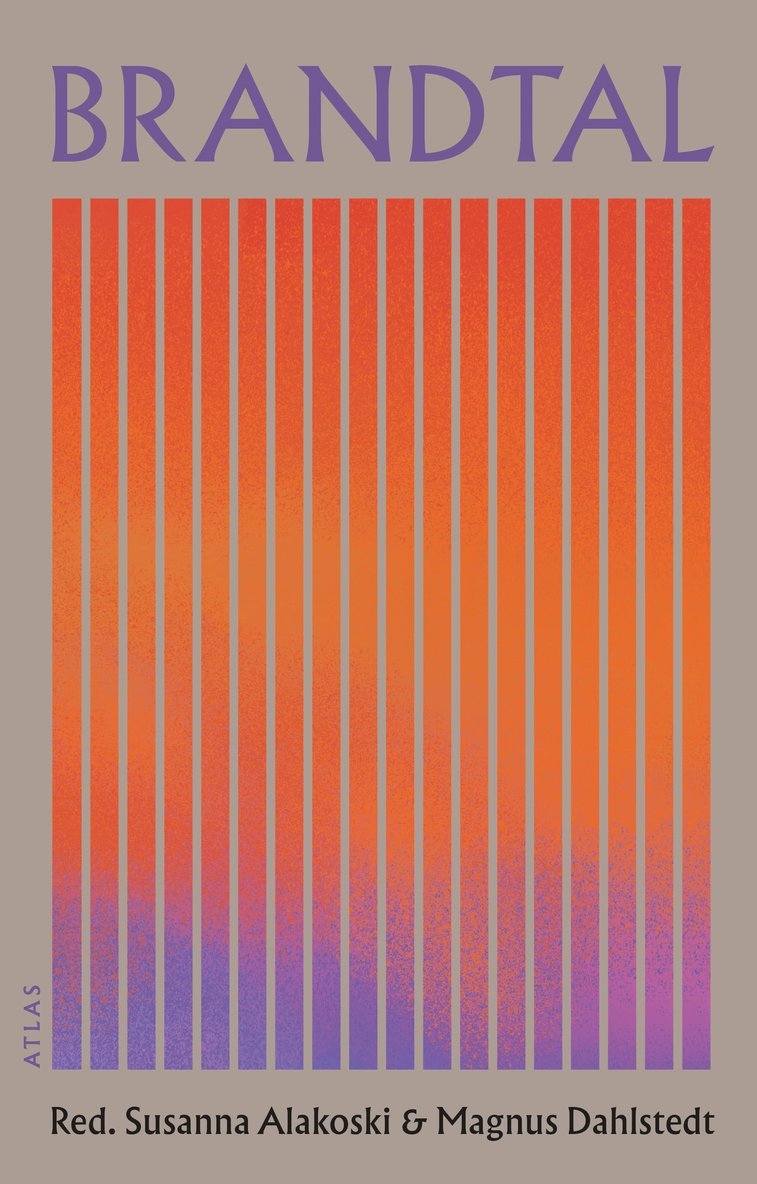
Brandtal
Lena Tallberg, Mats Söderlund, Hans Swärd, Michaela Sjögren Cronstedt, Gudrun Schyman, Tove Samzelius, Helene Rådberg, Mahsa Rostami, Selma Rezagic, Tatjana Ristovski, Alexandra Pascalidou, Kristina Mattsson, Ana-Dolori Marinovic, Nicolas Lunabba, Sven-Eric Liedman, Staffan Larsson, John Lapidus, Pernilla Landin, Philip Lalander, Elin Anna Labba, Anette Kyhlström, Nick Jones, Martin Hultman, Eija Hetekivi Olsson, Martin Harling, KG Hammar, Lars Gårdfeldt, Bonnie Friedh, Felipe Estrada, Faiaz Dowlatazai, Mina Dennert, Magnus Dahlstedt, Annelie Bränström-Öhman, Tove Broheden, Håkan Blomqvist, Katarina Bjärvall, Loran Batti, Firdevs Anik, Maria Andersson Vogel, Hana Al-Khamri, Susanna Alakoski, Runa Alakoski
Häftad, 2023
269 kr
Härlig är jorden : om fjällen, vädret och allt det som ännu inte gått förlorat
Mats Söderlund
Inbunden, 2023
299 kr