
Del 20
Epigenetic Landscapes
Drawings As Metaphor
Inbunden, Engelska, 2017
2 049 kr
Beställningsvara. Skickas inom 5-8 vardagar. Fri frakt för medlemmar vid köp för minst 249 kr.
Finns i fler format (1)
Devised in the 1940s by the biologist C. H. Waddington, the epigenetic landscape is a metaphor for how gene regulation modulates cellular development. As a scientific model, it fell out of use in the late 1960s but returned at the beginning of the twenty-first century with the advent of big-data genomic research because of its utility among scientists across the life sciences to think more creatively about and to discuss genetics. In Epigenetic Landscapes Susan Merrill Squier follows the model’s cultural trail, from its first visualization by the artist John Piper to its use beyond science. Squier examines three cases in which the metaphor has been imaginatively deployed to illustrate complex systems that link scientific and cultural practices: graphic medicine, landscape architecture, and bioArt. Challenging reductive understandings of epigenetics, Squier boldly reclaims the broader significance of the epigenetic landscape as a figure at the nexus of art, design, and science.
Produktinformation
- Utgivningsdatum2017-12-01
- Mått152 x 229 x 20 mm
- Vikt522 g
- FormatInbunden
- SpråkEngelska
- Antal sidor280
- FörlagDuke University Press
- ISBN9780822368601
Tillhör följande kategorier
Hoppa över listan


Mer från samma författare
Del 20
Del 28
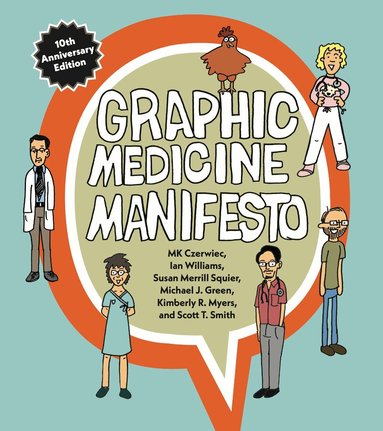
Graphic Medicine Manifesto
MK Czerwiec, Ian Williams, Susan Merrill Squier, Michael J. Green, Kimberly R. Myers, Scott T. Smith
Häftad, 2025
519 kr
Hoppa över listan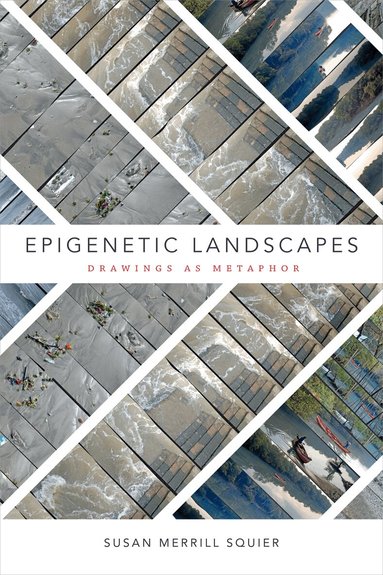


Du kanske också är intresserad av
Del 20
Del 28
Graphic Medicine Manifesto
MK Czerwiec, Ian Williams, Susan Merrill Squier, Michael J. Green, Kimberly R. Myers, Scott T. Smith
Häftad, 2025
519 kr
Del 20
- Nyhet
Del 7
- Nyhet
Del 11