
Del 47
England’s Green
Nature and Culture since the 1960s
Inbunden, Engelska, 2024
279 kr
Skickas . Fri frakt för medlemmar vid köp för minst 249 kr.
England is known as a ‘green and pleasant’ land, but what does this mean? England’s Green explores how the country’s connection with the environment has shaped and reflected English national identity since the 1960s, when pollution, pesticides, industrial farming and upset ecologies were presented as signs of a world gone wrong. This book examines English cultures of nature, land, farming and other ways in which humans engage with the natural world; or with a world whose naturalness seems increasingly pressured and in question.From agriculture to nature, leisure, climate change, the folkloric, the archaeological and the mystical, David Matless uncovers the genealogies of today’s debates over land and culture, showing how twenty-first-century concerns and anxieties have been moulded by events over the past sixty years. From government policy to popular music, and from ecological polemic to television comedy, England’s Green shows the richness and complexity of English environmental culture.
Produktinformation
- Utgivningsdatum2024-07-01
- Mått156 x 234 x 35 mm
- Vikt728 g
- FormatInbunden
- SpråkEngelska
- Antal sidor376
- FörlagReaktion Books
- ISBN9781789149210
Tillhör följande kategorier
Hoppa över listan
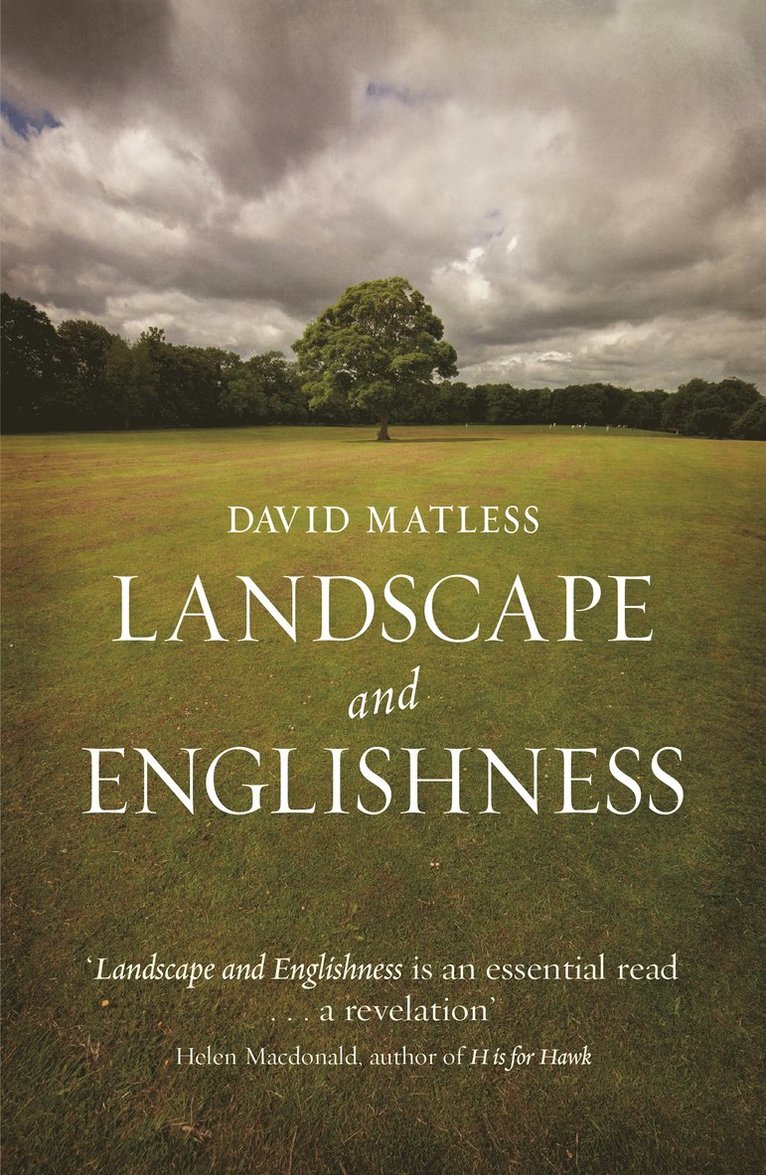
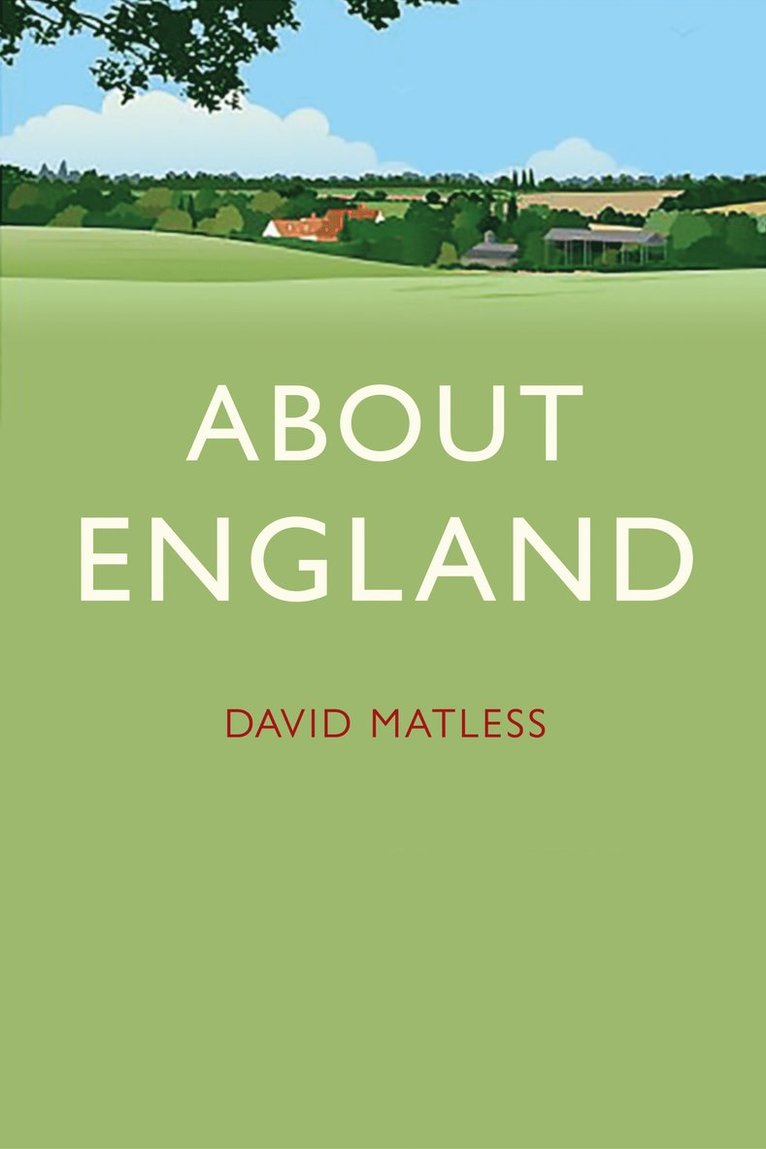
Mer från samma författare
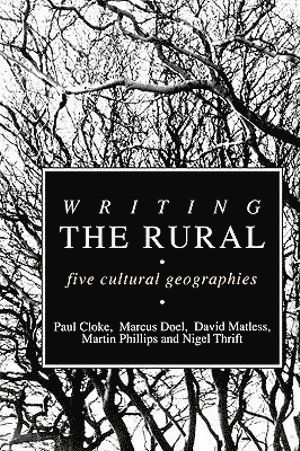
Writing the Rural
Paul J Cloke, Marcus A Doel, David Matless, Nigel Thrift, Martin Phillips
Häftad, 1994
2 519 kr
Hoppa över listan
Du kanske också är intresserad av
Writing the Rural
Paul J Cloke, Marcus A Doel, David Matless, Nigel Thrift, Martin Phillips
Häftad, 1994
2 519 kr
Del 47
- Nyhet
- Nyhet
- Nyhet
Del 6