
Del i serien Routledge Education Classic Edition
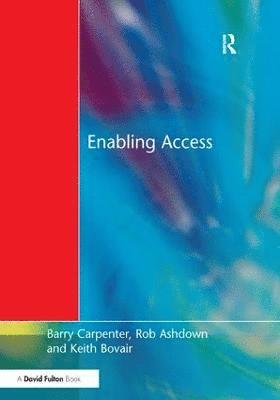
Enabling Access
Effective Teaching and Learning for Pupils with Learning Difficulties
Häftad, Engelska, 2017
859 kr
Beställningsvara. Skickas inom 10-15 vardagar. Fri frakt för medlemmar vid köp för minst 249 kr.
This Routledge Classic Edition brings together widely experienced editors and contributors to show how access to a whole school curriculum can be provided for learners with moderate to profound and multiple learning difficulties. Along with a new appraisal of the contents from the editors, the contributors raise debates, illustrate effective teaching ideas and discuss strategies for providing a high-quality education for these pupils and a celebration of their achievements. The book also discusses the active involvement of family members and the learners themselves in these processes and considers issues surrounding empowerment of learners, professional development of the workforce and curriculum principles such as differentiation, personalisation, and engagement. Winner of the prestigious nasen/TES Academic Book Award in 1996, Enabling Access is an essential read for students and lecturers in higher education, and for teachers, support staff, and other professionals in all educational settings in the UK and abroad catering for these learners.
Produktinformation
- Utgivningsdatum2017-10-05
- Mått156 x 234 x 29 mm
- Vikt620 g
- FormatHäftad
- SpråkEngelska
- SerieRoutledge Education Classic Edition
- Antal sidor408
- Upplaga3
- FörlagTaylor & Francis Ltd
- ISBN9781138297159
Tillhör följande kategorier
Hoppa över listan
Du kanske också är intresserad av
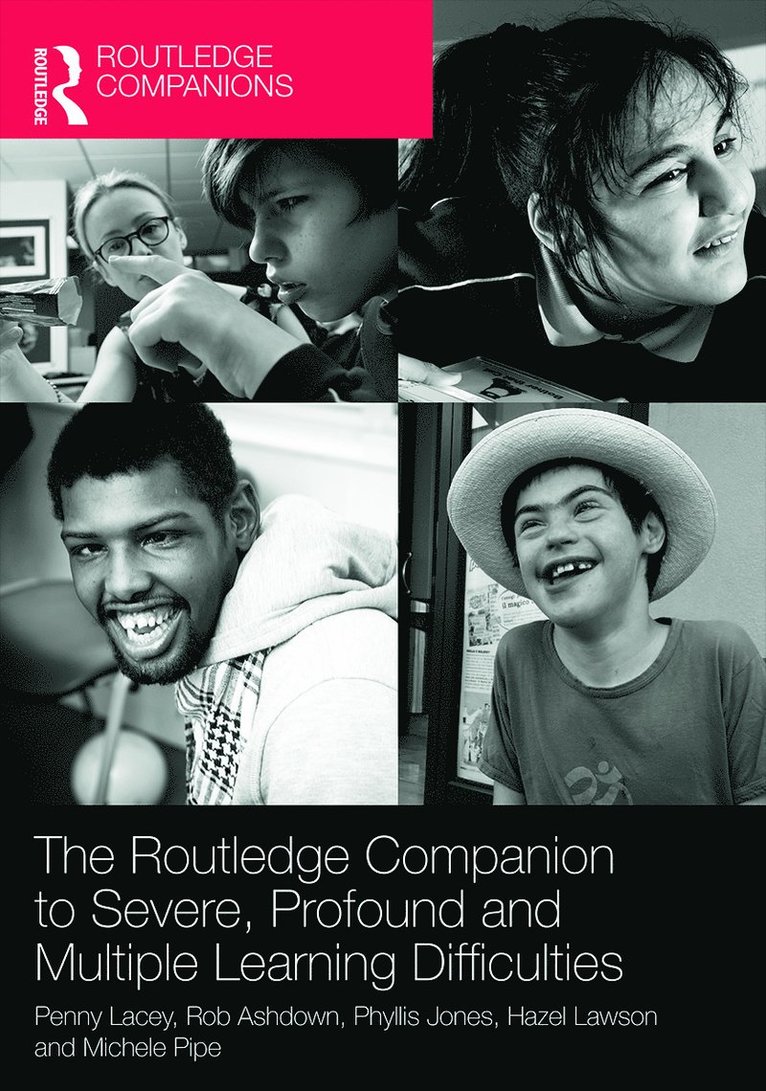
Routledge Companion to Severe, Profound and Multiple Learning Difficulties
Penny Lacey, Rob Ashdown, Phyllis Jones, Hazel Lawson, Michele Pipe
Inbunden, 2015
3 119 kr
Educating Children and Young People with Fetal Alcohol Spectrum Disorders
Carolyn Blackburn, Barry Carpenter, Jo Egerton
Inbunden, 2012
2 539 kr
Routledge Companion to Severe, Profound and Multiple Learning Difficulties
Penny Lacey, Rob Ashdown, Phyllis Jones, Hazel Lawson, Michele Pipe
Häftad, 2015
1 109 kr