
Elgar Companion to the Law and Practice of the World Health Organization
Inbunden, Engelska, 2025
3 929 kr
Beställningsvara. Skickas inom 5-8 vardagar. Fri frakt för medlemmar vid köp för minst 249 kr.
This Companion presents a comprehensive analysis of the World Health Organization’s (WHO) practices and structures, reflecting on its development as a specialised UN agency since its creation. It examines the WHO’s capacity to provide the coordination and leadership needed to address today’s global health challenges.Providing valuable contributions from leading scholars, this timely Companion explores the role of the WHO in today’s global health landscape. It offers a range of insights into the law and practice of the WHO, discussing opportunities for further development including the revision of the International Health Regulations and the recent negotiation of the Pandemic Agreement. Drawing on a variety of different legal fields, including biodiversity law, human rights law, and international institutional law, the Companion analyses the ever-growing number of outside influences on the structure and purpose of the organisation. The Elgar Companion to the Law and Practice of the World Health Organization is a vital read for scholars and students of global health law, public international law, international relations, and global public health. It is also beneficial for practitioners and policymakers interested in current developments in global health regulations.
Produktinformation
- Utgivningsdatum2025-12-16
- Mått169 x 244 x undefined mm
- FormatInbunden
- SpråkEngelska
- SerieElgar Companions to the Law and Practice of the UN Agencies and Bodies series
- FörlagEdward Elgar Publishing Ltd
- ISBN9781789906691
Tillhör följande kategorier
Hoppa över listan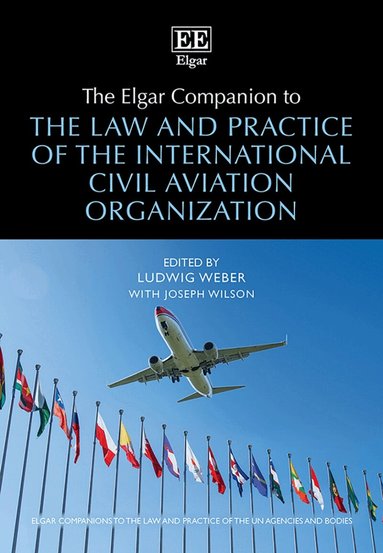
Mer från samma serie
Elgar Companion to the Law and Practice of the International Civil Aviation Organization
Ludwig Weber
Inbunden, 2025
5 909 kr
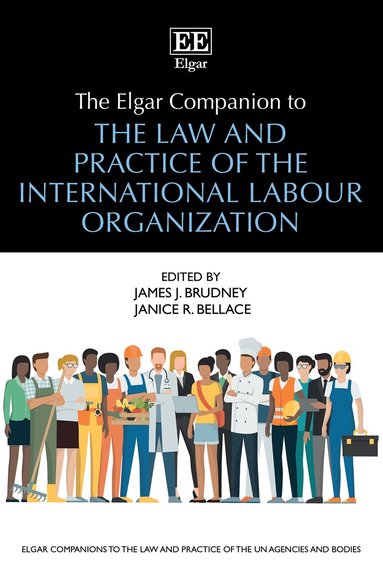
Elgar Companion to the Law and Practice of the International Labour Organization
James J. Brudney, Janice R. Bellace
Inbunden, 2026
4 769 kr
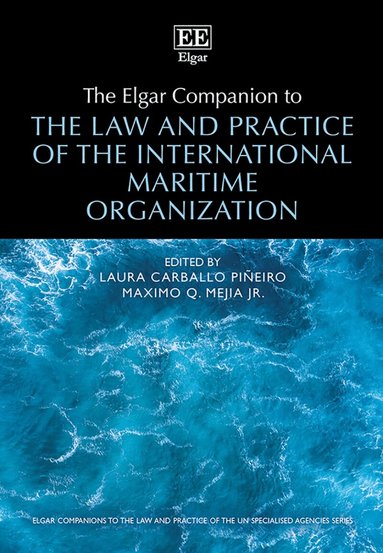
Elgar Companion to the Law and Practice of the International Maritime Organization
Laura Carballo Piñeiro, Maximo Q. Mejia Jr
Inbunden, 2024
4 539 kr
Hoppa över listan



Du kanske också är intresserad av
Transformation of Environmental Law and Governance
Francesco Sindico, Stephanie Switzer, Tianbao Qin
Inbunden, 2021
2 549 kr
Transformation of Environmental Law and Governance
Francesco Sindico, Stephanie Switzer, Tianbao Qin
Häftad, 2023
699 kr
Elgar Companion to the Law and Practice of the International Maritime Organization
Laura Carballo Piñeiro, Maximo Q. Mejia Jr
Inbunden, 2024
4 539 kr
Elgar Companion to the Law and Practice of the International Labour Organization
James J. Brudney, Janice R. Bellace
Inbunden, 2026
4 769 kr
Elgar Companion to the Law and Practice of the International Civil Aviation Organization
Ludwig Weber
Inbunden, 2025
5 909 kr