
Del i serien Edinburgh University Press
Economic History of Europe Since 1700
Inbunden, Engelska, 2017
1 329 kr
Tillfälligt slut
Finns i fler format (1)
Vera Zamagni charts the remarkable story of European economic growth from the birth of industrialization through to the present day. Setting European events within the wider context of world economic progress and alongside developments in Asia, Eastern Europe and the United States, she provides an up-to-date and authoritative survey suitable for course use.The book begins with an outline of the economic landscape of the late Middle Ages before exploring the process of European industrialization, including how the British model was replicated across Europe, and why Britain was unable to maintain its position relative to other economies, in particular the United States. The advent of global finance is examined and the economic impact of world war and revolution is assessed. European reconstruction and integration is analysed alongside the decline of Russia and the growth of the Asian economies. The book ends with an assessment of the impact of the global crash of 2008 and the subsequent crisis of the Eurozone. Throughout her analysis, Zamagni shows how the social and economic institutions and values of European civilization catalyzed economic progress. That these same structures are now threatened makes this history particularly timely.
Produktinformation
- Utgivningsdatum2017-06-30
- Mått163 x 236 x 33 mm
- Vikt636 g
- FormatInbunden
- SpråkEngelska
- SerieEdinburgh University Press
- Antal sidor328
- FörlagEdinburgh University Press
- ISBN9781911116387
Tillhör följande kategorier
Hoppa över listan


Mer från samma författare
The Global Chemical Industry in the Age of the Petrochemical Revolution
Louis Galambos, Takashi Hikino, Vera Zamagni
Inbunden, 2006
2 819 kr
The Global Chemical Industry in the Age of the Petrochemical Revolution
Louis Galambos, Takashi Hikino, Vera Zamagni
Häftad, 2013
1 219 kr
Del 18
Del 19
Hoppa över listan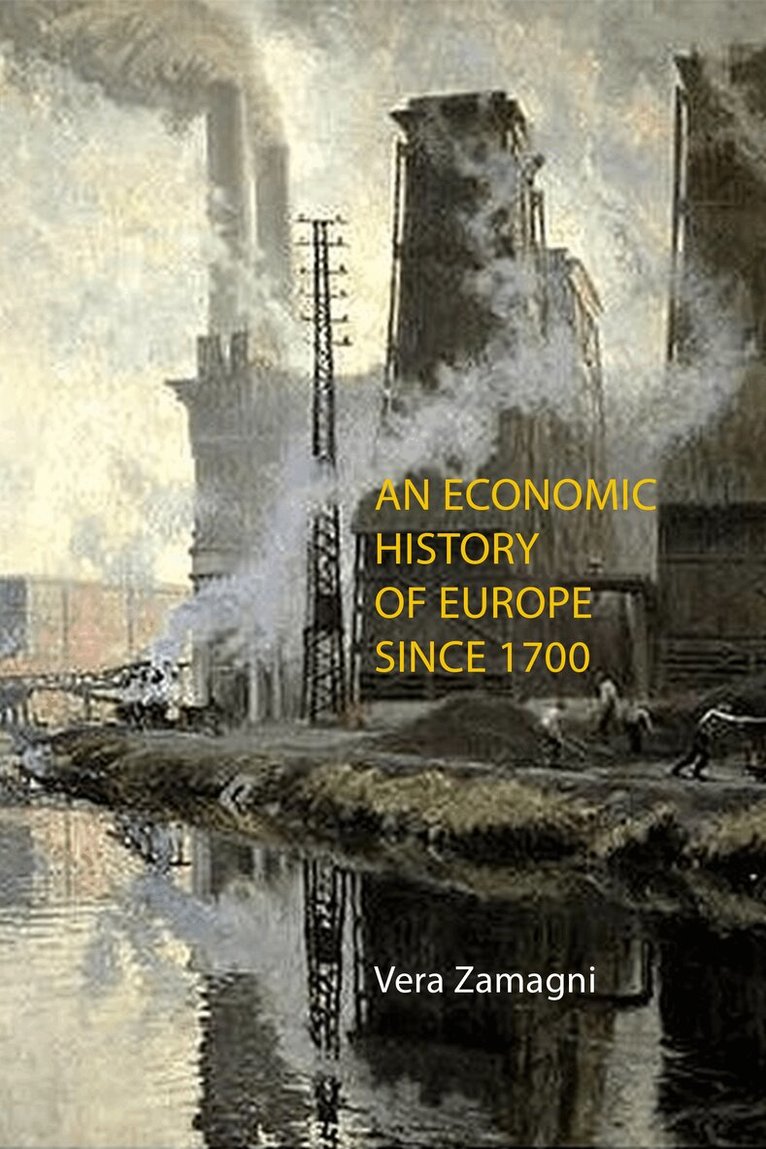

Du kanske också är intresserad av
The Global Chemical Industry in the Age of the Petrochemical Revolution
Louis Galambos, Takashi Hikino, Vera Zamagni
Häftad, 2013
1 219 kr
Del 19
The Global Chemical Industry in the Age of the Petrochemical Revolution
Louis Galambos, Takashi Hikino, Vera Zamagni
Inbunden, 2006
2 819 kr
Del 18
- Nyhet
Del 3