
Del i serien Arden Studies in Early Modern Drama
Early Modern Theatre and the Figure of Disability
Häftad, Engelska, 2020
549 kr
Beställningsvara. Skickas inom 10-15 vardagar. Fri frakt för medlemmar vid köp för minst 249 kr.
Finns i fler format (1)
What work did physically disabled characters do for the early modern theatre? Through a consideration of a range of plays, including Doctor Faustus and Richard III, Genevieve Love argues that the figure of the physically disabled prosthetic body in early modern English theatre mediates a set of related ‘likeness problems’ that structure the theatrical, textual, and critical lives of the plays of Shakespeare and his contemporaries. The figure of disability stands for the relationship between actor and character: prosthetic disabled characters with names such as Cripple and Stump capture the simultaneous presence of the fictional and the material, embodied world of the theatre. When the figure of the disabled body exits the stage, it also mediates a second problem of likeness, between plays in their performed and textual forms. While supposedly imperfect textual versions of plays have been characterized as ‘lame’, the dynamic movement of prosthetic disabled characters in the theatre expands the figural role which disability performs in the relationship between plays on the stage and on the page. Early Modern Theatre and the Figure of Disability reveals how attention to physical disability enriches our understanding of early modern ideas about how theatre works, while illuminating in turn how theatre offers a reframing of disability as metaphor.
Produktinformation
- Utgivningsdatum2020-07-23
- Mått128 x 194 x 14 mm
- Vikt258 g
- FormatHäftad
- SpråkEngelska
- SerieArden Studies in Early Modern Drama
- Antal sidor224
- FörlagBloomsbury Publishing PLC
- ISBN9781350160361
Tillhör följande kategorier
Hoppa över listan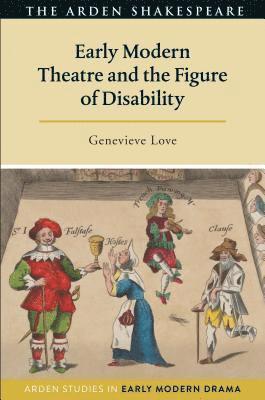




Du kanske också är intresserad av
Early Modern Theatre and the Figure of Disability
Genevieve Love, Douglas Bruster, Tanya Pollard
Inbunden, 2018
2 299 kr
Del 1
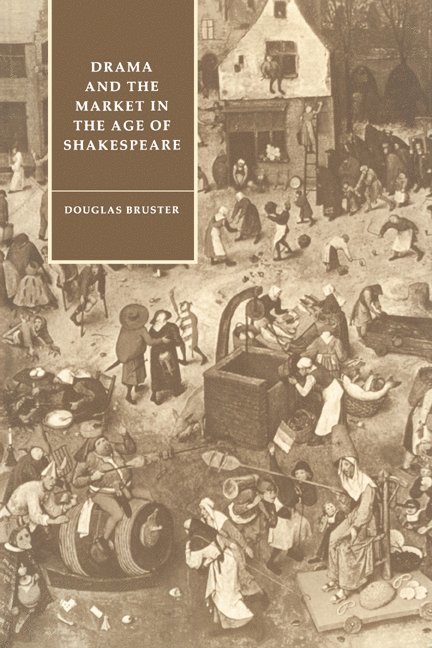
Drama and the Market in the Age of Shakespeare
Douglas Bruster, Stephen Orgel, Anne Barton
Häftad, 2005
1 019 kr