
Del i serien Palgrave Studies in Languages at War
Dynamics among Mother Language, Motherland, and Liberation Struggle
Decolonization of South Asia in Perspective
Inbunden, Engelska, 2026
2 409 kr
Kommande
This book offers a comparative study of how language movements shaped divergent paths of nation-building in postcolonial South Asia. Focusing on East Pakistan (now Bangladesh) and Tamil-speaking regions of Sri Lanka, it examines why two linguistic struggles—both rooted in cultural rights—produced radically different outcomes: a successful Liberation War in 1971 and a protracted Civil War from the 1980s onward. Drawing on Benedict Anderson, Edward Said, and Gayatri Spivak, it explores official nationalisms (Urdu, Sinhala) versus vernacular counter-nationalisms (Bengali, Tamil); reveals how writers of novels, poems, and plays shaped national consciousness; and highlights contrasting impacts of language movements on women’s emancipation. The book traces the trajectory from cultural grievance to armed struggle, arguing that language rights are not symbolic but structural to political life in decolonized states. By comparing the secular Bengali movement with the sectarian Tamil struggle, it illuminates the possibilities—and limits—of emancipation in modern times.
Produktinformation
- Utgivningsdatum2026-10-28
- Mått148 x 210 x undefined mm
- FormatInbunden
- SpråkEngelska
- SeriePalgrave Studies in Languages at War
- Antal sidor341
- FörlagSpringer Nature Switzerland AG
- ISBN9783032285423
Tillhör följande kategorier
Hoppa över listan
Mer från samma serie
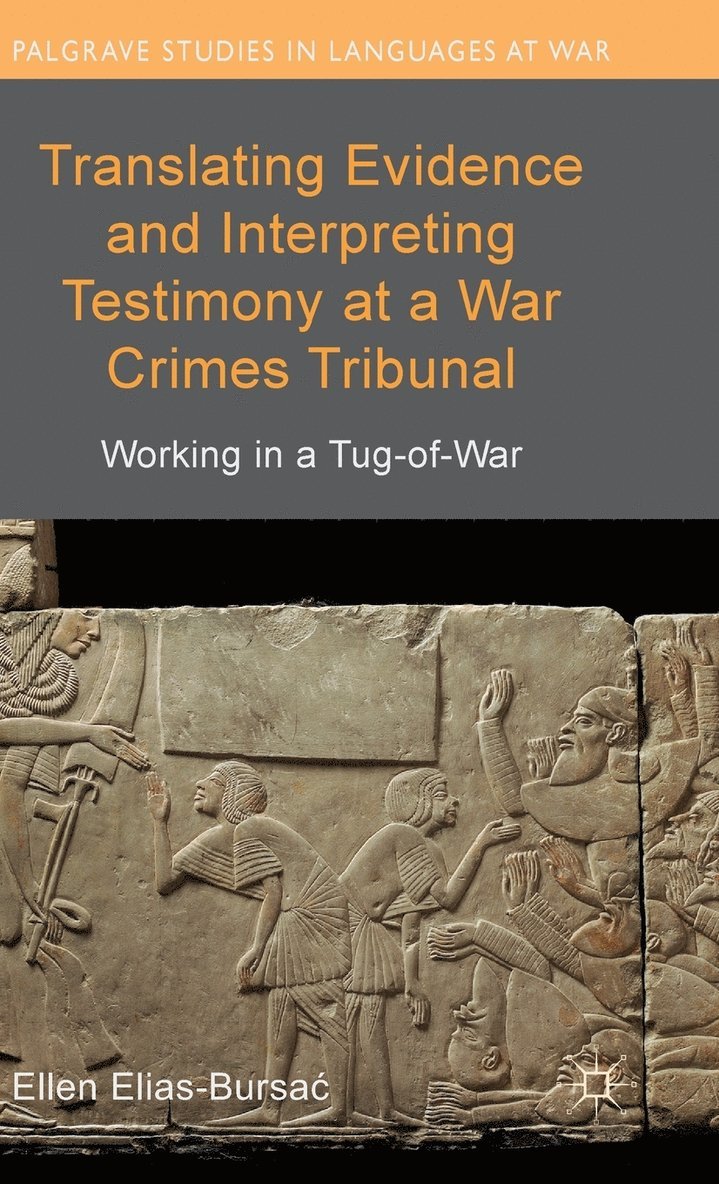
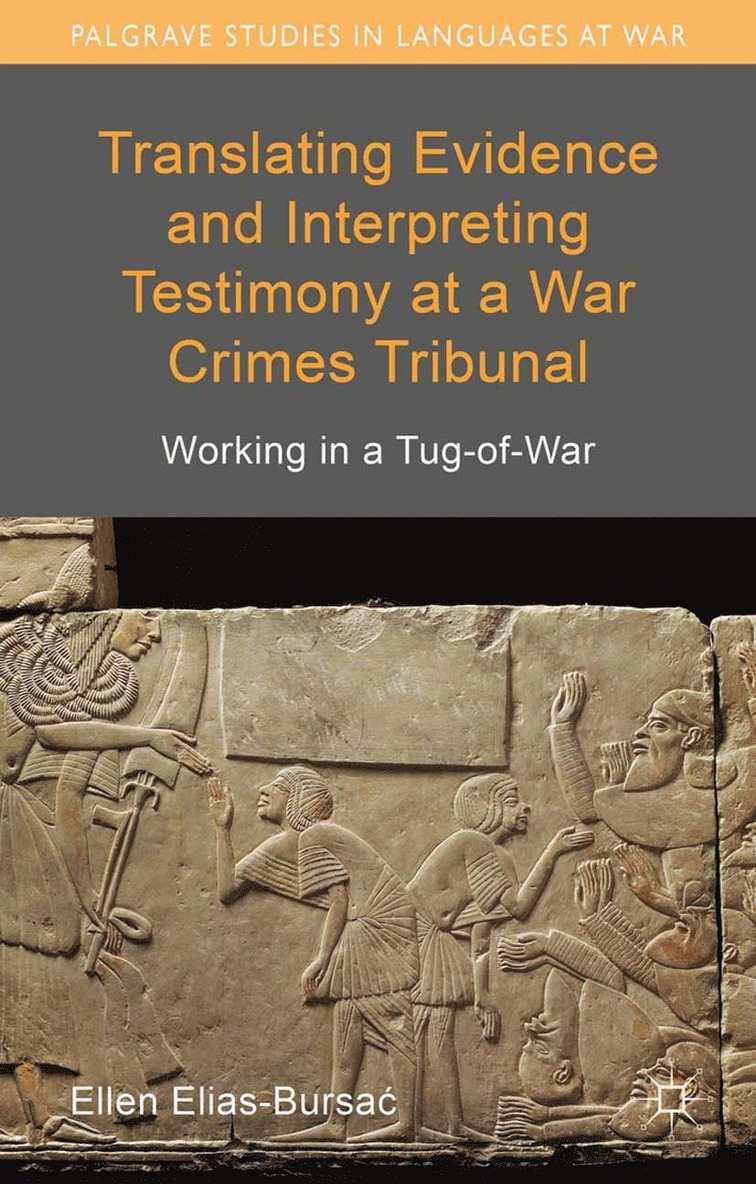
Translating Evidence and Interpreting Testimony at a War Crimes Tribunal
Ellen Elias-Bursac
Inbunden, 2015
1 219 kr
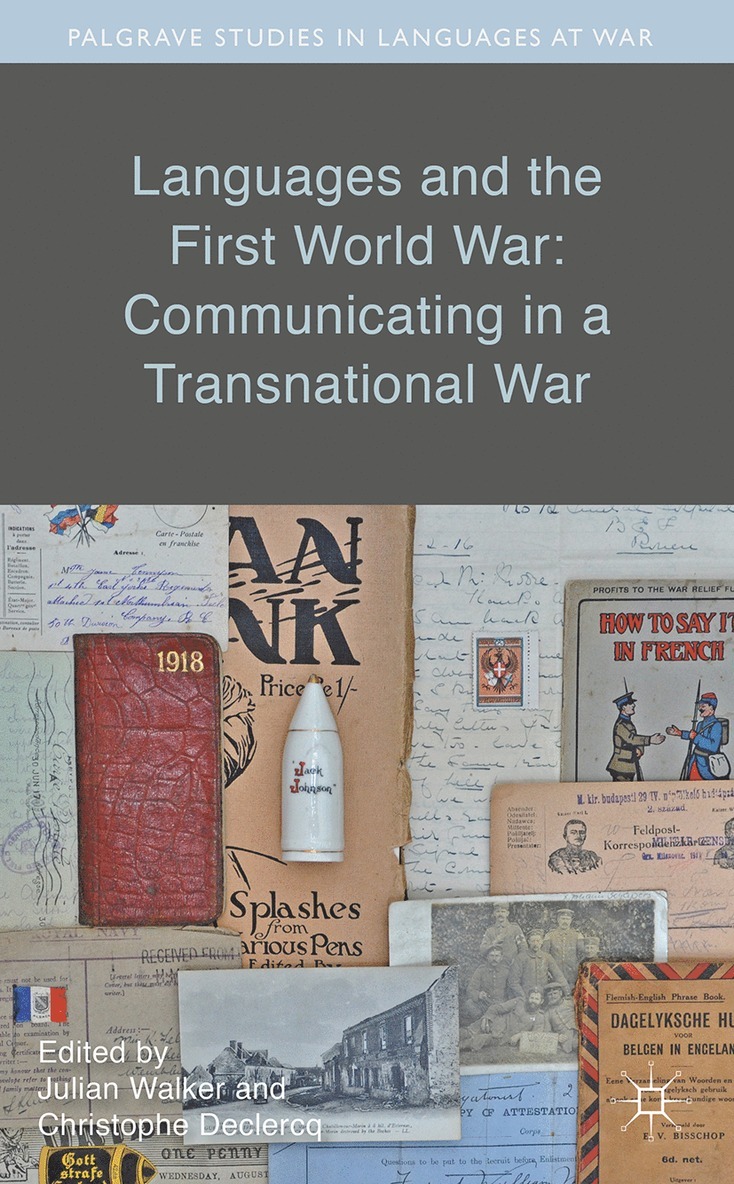
Languages and the First World War: Communicating in a Transnational War
Julian Walker, Christophe Declercq
Inbunden, 2016
1 919 kr
Hoppa över listan



Du kanske också är intresserad av
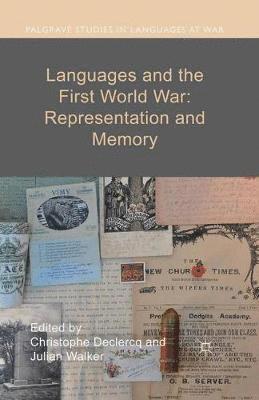
Languages and the First World War: Representation and Memory
Christophe Declercq, Julian Walker
Häftad, 2017
739 kr
- Nyhet
Del 3
Translating Evidence and Interpreting Testimony at a War Crimes Tribunal
Ellen Elias-Bursac
Häftad, 2015
719 kr
- Nyhet
Del 11
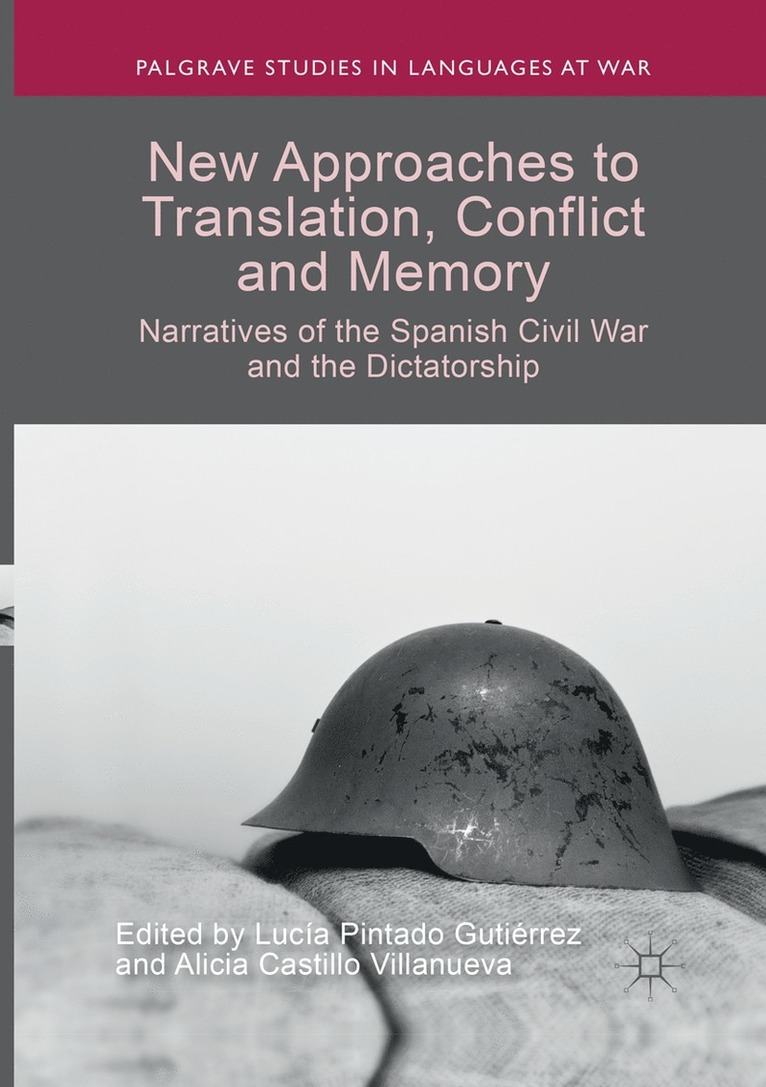
New Approaches to Translation, Conflict and Memory
Lucía Pintado Gutiérrez, Alicia Castillo Villanueva
Häftad, 2019
1 259 kr
Translating Evidence and Interpreting Testimony at a War Crimes Tribunal
Ellen Elias-Bursac
Inbunden, 2015
1 219 kr