
Dreams for Lesotho
Independence, Foreign Assistance, and Development
Inbunden, Engelska, 2018
719 kr
Beställningsvara. Skickas inom 5-8 vardagar. Fri frakt för medlemmar vid köp för minst 249 kr.
In Dreams for Lesotho: Independence, Foreign Assistance, and Development, John Aerni-Flessner studies the post-independence emergence of Lesotho as an example of the uneven ways in which people experienced development at the end of colonialism in Africa. The book posits that development became the language through which Basotho (the people of Lesotho) conceived of the dream of independence, both before and after the 1966 transfer of power.While many studies of development have focused on the perspectives of funding governments and agencies, Aerni-Flessner approaches development as an African-driven process in Lesotho. The book examines why both political leaders and ordinary people put their faith in development, even when projects regularly failed to alleviate poverty. He argues that the potential promise of development helped make independence real for Africans.The book utilizes government archives in four countries, but also relies heavily on newspapers, oral histories, and the archives of multilateral organizations like the World Bank. It will interest scholars of decolonization, development, empire, and African and South African history.
Produktinformation
- Utgivningsdatum2018-05-30
- Mått152 x 229 x 19 mm
- Vikt581 g
- FormatInbunden
- SpråkEngelska
- SerieKellogg Institute Series on Democracy and Development
- Antal sidor306
- FörlagUniversity of Notre Dame Press
- ISBN9780268103613
Tillhör följande kategorier
Hoppa över listan
Mer från samma författare
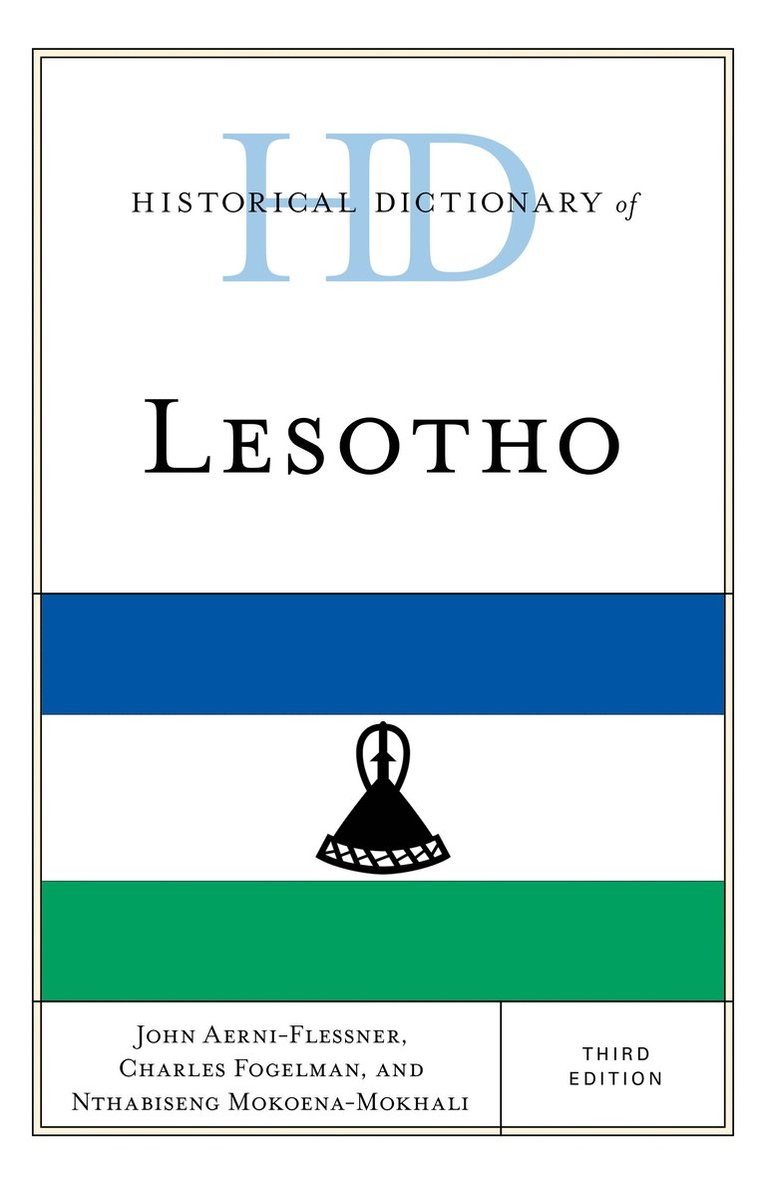
Historical Dictionary of Lesotho
John Aerni-Flessner, Charles Fogelman, Nthabiseng Mokoena-Mokhali
Inbunden, 2023
4 219 kr
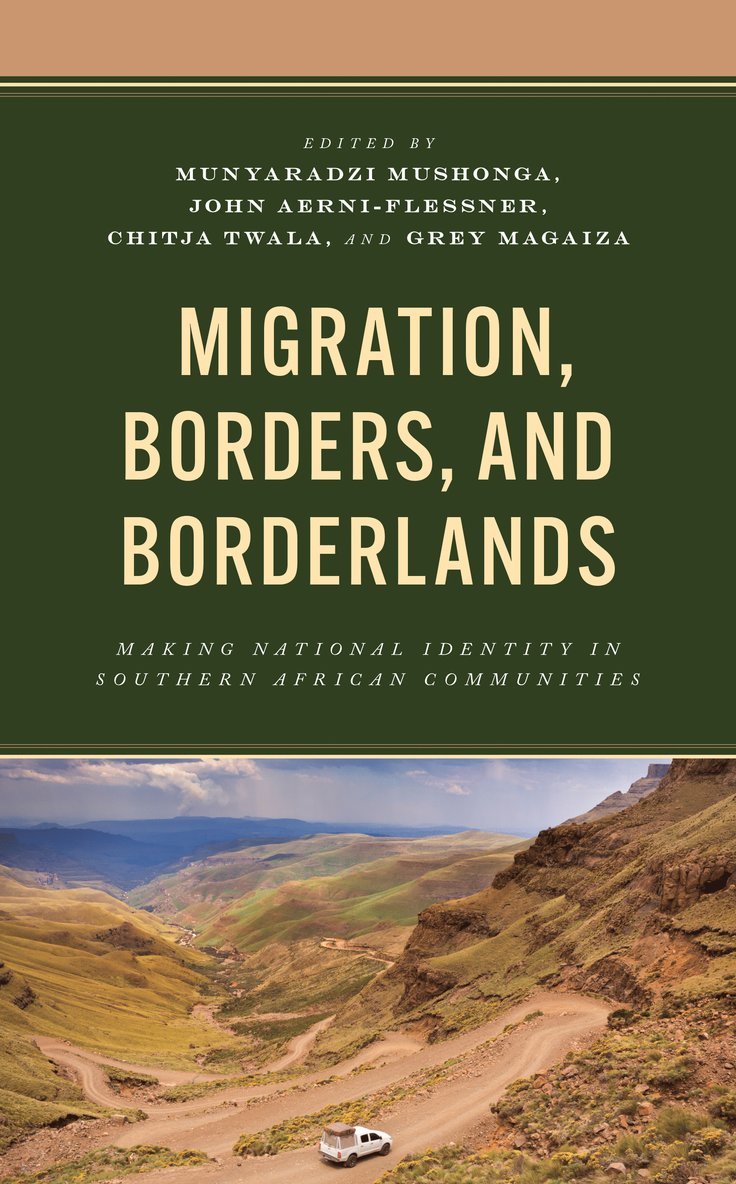
Migration, Borders, and Borderlands
Munyaradzi Mushonga, John Aerni-Flessner, Chitja Twala, Grey Magaiza
Inbunden, 2023
1 739 kr
Hoppa över listan





Du kanske också är intresserad av
Migration, Borders, and Borderlands
Munyaradzi Mushonga, John Aerni-Flessner, Chitja Twala, Grey Magaiza
Inbunden, 2023
1 739 kr
Historical Dictionary of Lesotho
John Aerni-Flessner, Charles Fogelman, Nthabiseng Mokoena-Mokhali
Inbunden, 2023
4 219 kr
- Nyhet
- Nyhet
- Nyhet
Del 6
- Nyhet
Del 11
Del 3
Del 1
- Nyhet