
Del 20 i serien Studies in Systematic Theology
Divine being and its relevance according to Thomas Aquinas
Häftad, Engelska, 2019
1 159 kr
Beställningsvara. Skickas inom 5-8 vardagar. Fri frakt för medlemmar vid köp för minst 249 kr.
Aquinas’ theology can be understood only if one comes to grips with his metaphysics of being. The relevance of this perspective is exhibited in his treatment of topics like creation, goodness, happiness, truth, freedom of the will, the unity of the human being, prayer and providence, God’s personhood, divine love, God and violence, God’s unknowablility, the Incarnation, the Trinity, God’s existence, theological language and even laughter. This book endeavors to treat these questions in a clear and convincing language. Is there a better method for improving one’s own theology than by grappling with the arguments of Thomas Aquinas?
Produktinformation
- Utgivningsdatum2019-11-21
- Mått155 x 235 x 15 mm
- Vikt357 g
- FormatHäftad
- SpråkEngelska
- SerieStudies in Systematic Theology
- Antal sidor214
- FörlagBrill
- ISBN9789004413986
Tillhör följande kategorier
Hoppa över listan
Mer från samma serie
Del 1
Del 4
Del 2
Del 3
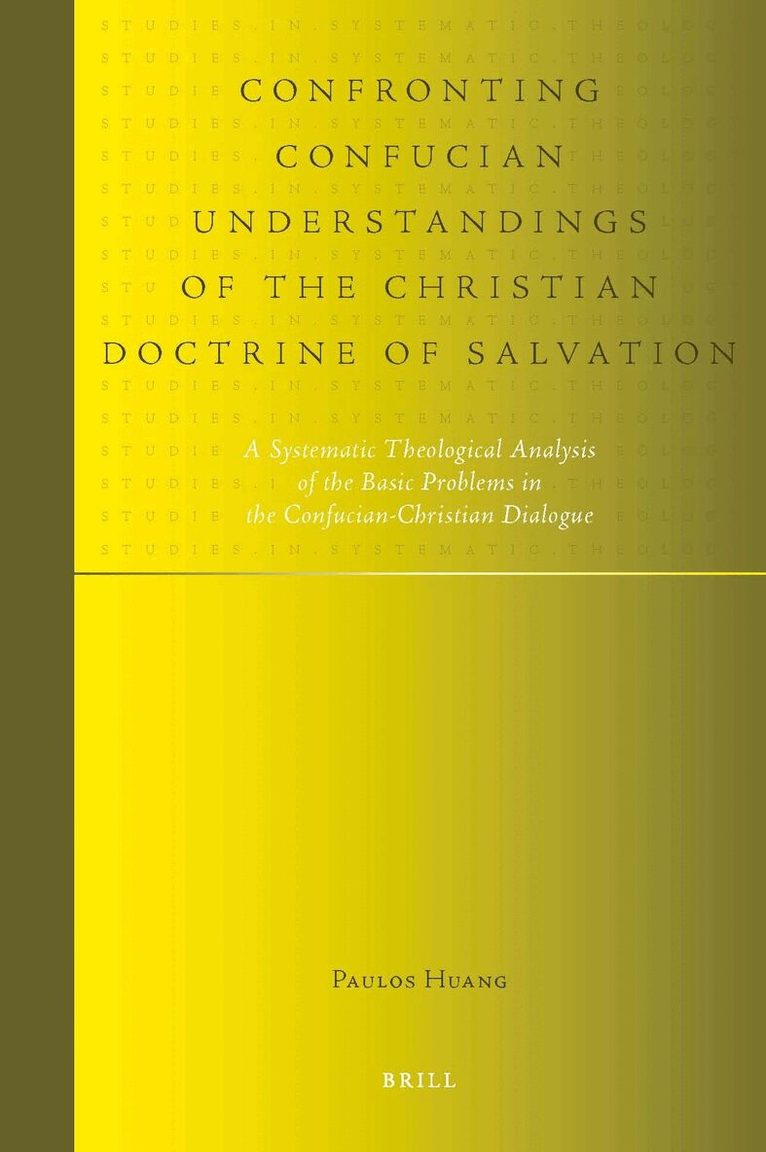
Confronting Confucian Understandings of the Christian Doctrine of Salvation
Paulos Huang
Inbunden, 2009
3 699 kr
Del 5
Del 7
Del 6
Del 8
Del 9
Del 10
Interpreting Proverbs 11:18-31, Psalm 73, and Ecclesiastes 9:1-12 in Light of, and as a Response to, Thai Buddhist Interpretations
Kari Storstein Haug
Inbunden, 2012
3 919 kr