
Del i serien Corporealities: Discourses of Disability
Disabled Veterans in History
Häftad, Engelska, 2012
599 kr
Beställningsvara. Skickas inom 5-8 vardagar. Fri frakt för medlemmar vid köp för minst 249 kr.
Disabled Veterans in History explores the long-neglected history of those who have sustained lasting injuries or chronic illnesses while serving in uniform. The contributors to this volume cover an impressive range of countries in Europe and North America as well as a wide sweep of chronology from the Ancient World to the present. The essays address the emergence of "veteran" as a political category with unique privileges and entitlements and of disabled veterans as a special project--and indeed one of the original projects--of the modern welfare state.The introductory essay, "Finding Disabled Veterans in History," offers perhaps the first attempt at synthesizing knowledge about disabled veterans in Western societies. The other essays examine the representation of disabled veterans from Sophocles' Philoctetes to American feature films; the relations of disabled veterans to the state and society in such public policy issues as pensions, medical care, physical rehabilitation, and job retraining; and the disabled veteran's agency and experience in reentering the peacetime world. Other topics include the place of disabled veterans in societies defeated in war; the fate of disabled veterans in societies experiencing frequent changes of political regimes; the emergence of pensions and vocational rehabilitation for disabled veterans; and the abiding problem of alcohol abuse among disabled veterans.The contributors come from a variety of disciplines, including history, physical rehabilitation, Slavic studies, sociology, communication and media, and museum studies. The book will be of interest especially to researchers in the fields of war and society, the welfare state, and disability studies, as well as those in the medical, rehabilitation, and counseling fields.Afterword by Jonathan Shay, M.D., Ph.D.
Produktinformation
- Utgivningsdatum2012-06-06
- Mått152 x 229 x undefined mm
- FormatHäftad
- SpråkEngelska
- SerieCorporealities: Discourses of Disability
- Antal sidor410
- FörlagThe University of Michigan Press
- ISBN9780472035083
Tillhör följande kategorier
Hoppa över listan








Du kanske också är intresserad av
Disability Rights and Religious Liberty in Education
Bruce J. Dierenfield, David A. Gerber
Inbunden, 2020
1 579 kr
Disability Rights and Religious Liberty in Education
Bruce J. Dierenfield, David A. Gerber
Häftad, 2020
379 kr
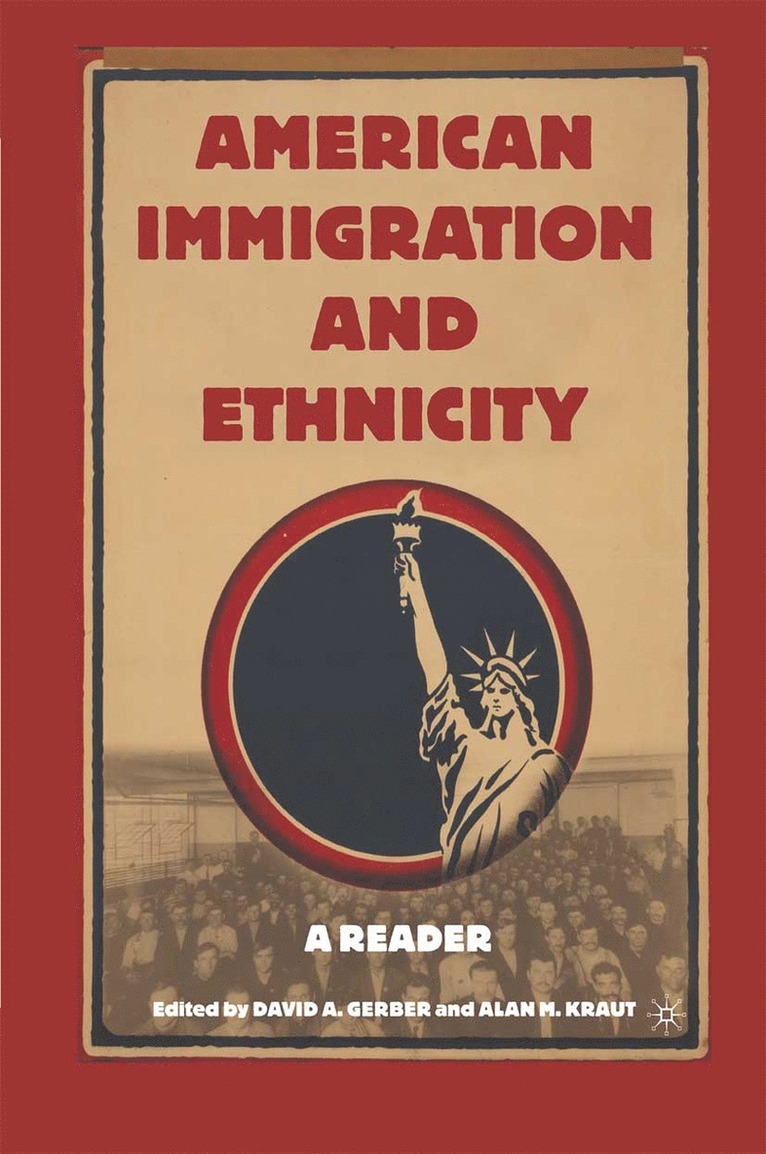
American Immigration and Ethnicity
David A. Gerber, Alan M. Kraut, D. Gerber, A. Kraut
Häftad, 2009
1 599 kr
Del 1
