
Del i serien Disability History
Disability in the Industrial Revolution
Physical Impairment in British Coalmining, 1780–1880
Inbunden, Engelska, 2018
579 kr
Beställningsvara. Skickas inom 5-8 vardagar. Fri frakt för medlemmar vid köp för minst 249 kr.
The Industrial Revolution produced injury, illness and disablement on a large scale and nowhere was this more visible than in coalmining. Disability in the Industrial Revolution sheds new light on the human cost of industrialisation by examining the lives and experiences of those disabled in an industry that was vital to Britain’s economic growth. Although it is commonly assumed that industrialisation led to increasing marginalisation of people with impairments from the workforce, disabled mineworkers were expected to return to work wherever possible, and new medical services developed to assist in this endeavour. This book explores the working lives of disabled miners and analyses the medical, welfare and community responses to disablement in the coalfields. It shows how disability affected industrial relations and shaped the class identity of mineworkers. The book will appeal to students and academics interested in disability, occupational health and social history.An electronic version of this book is also available under a Creative Commons (CC-BY-NC-ND) license, thanks to the support of the Wellcome Trust.
Produktinformation
- Utgivningsdatum2018-04-03
- Mått138 x 216 x 14 mm
- Vikt431 g
- FormatInbunden
- SpråkEngelska
- SerieDisability History
- Antal sidor240
- FörlagManchester University Press
- ISBN9781526118158
Tillhör följande kategorier
Hoppa över listan




Mer från samma serie
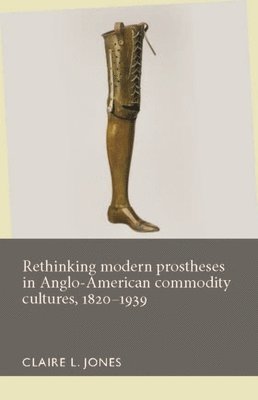
Rethinking Modern Prostheses in Anglo-American Commodity Cultures, 1820–1939
Claire L. Jones
Inbunden, 2017
1 699 kr
Hoppa över listan
Du kanske också är intresserad av
Disability in Industrial Britain
Kirsti Bohata, Alexandra Jones, Mike Mantin, Steven Thompson
Inbunden, 2020
579 kr