
Del i serien Ecocritical Theory and Practice
Disability and the Environment in American Literature
Toward an Ecosomatic Paradigm
Inbunden, Engelska, 2016
1 689 kr
Beställningsvara. Skickas inom 10-15 vardagar. Fri frakt för medlemmar vid köp för minst 249 kr.
This book includes a collection of essays that explore the relationship between Disability Studies and literary ecocriticism, particularly as this relationship plays out in American literature and culture. The contributors to this collection operate from the premise that there is much to be gained for both fields by putting them in conversation, and they do so in a variety of ways. In this manner, the collection contributes to what Joni Adamson and Scott Slovic have referred to as a “third wave of ecocriticism.” Adamson and Slovic attribute the rise of this “third wave” to the richly diverse contributions to ecocriticism over the past decade by scholars intent on including postmodernism, ecofeminism, transnationalism, globalization, and postcolonialism into ecocritical discussions. The essays in Toward an Ecosomatic Paradigm extend this approach of this “third wave” by analyzing disability from an “environmental point of view” while simultaneously examining the environmental imagination from a disability studies perspective.More specifically, the goal of the collection is to investigate the role that literary narratives play in fostering the “ecosomatic paradigm.” As a theoretical framework, the ecosomatic paradigm underscores the dynamic and inter-relational process wherein human mind-bodies interact with the places, both built and wild, they inhabit. That is, the ecosomatic paradigm proceeds from the assumption that nature and culture are meshed in an ongoing and deep relationship that has implications for both the human subject and the natural world. An ecosomatic approach highlights the profound overlap between embodiment and emplacement, and is therefore enriched by both disability studies and ecocritical insight. By drawing on points of confluence between disability studies and ecological criticism, the various ecosomatic readings in this collection challenge normative (even ableist) constructions of the body-environment dyad by complicating and expanding our understanding of this relationship as it is represented in American literature and culture. Collectively, the essays in this book augment the American environmental imagination by highlighting the relationship between disability and the environment as reflected in American literary texts across multiple periods and genres.
Produktinformation
- Utgivningsdatum2016-10-12
- Mått161 x 237 x 19 mm
- Vikt467 g
- FormatInbunden
- SpråkEngelska
- SerieEcocritical Theory and Practice
- Antal sidor186
- FörlagBloomsbury Publishing Plc
- ISBN9781498513975
Tillhör följande kategorier
Hoppa över listan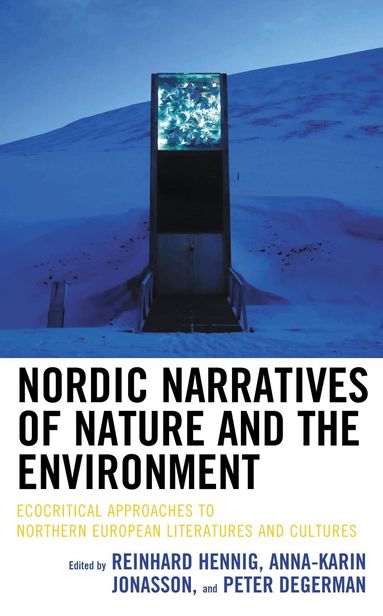
Mer från samma serie
Nordic Narratives of Nature and the Environment
Reinhard Hennig, Anna-Karin Jonasson, Peter Degerman
Häftad, 2020
809 kr
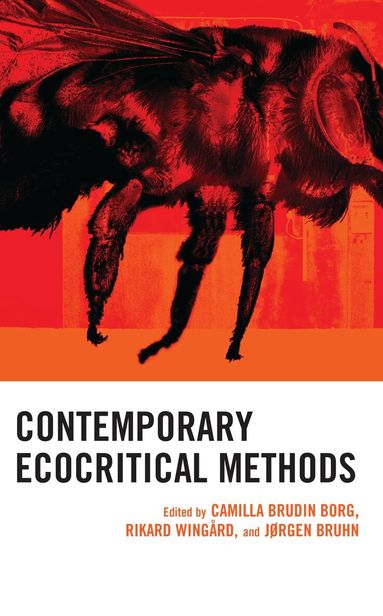
Contemporary Ecocritical Methods
Camilla Brudin Borg, Rikard Wingård, Jørgen Bruhn
Inbunden, 2024
1 739 kr
Hoppa över listan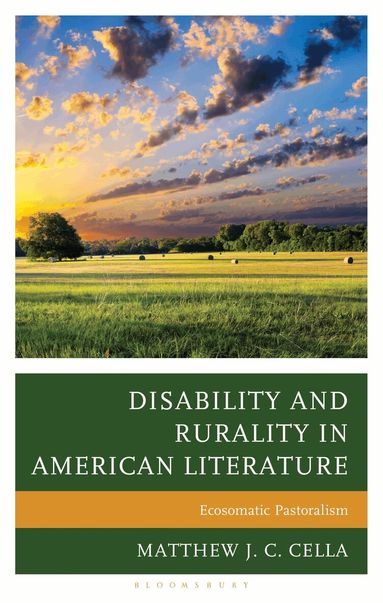






Du kanske också är intresserad av
- Nyhet
Del 6
- Nyhet
Del 7
- Nyhet
Del 3
- Nyhet
Del 4
- Nyhet
- Nyhet
Del 11
- Nyhet
- Nyhet
Del 3
- Nyhet