
Del i serien Routledge Focus on Literature
Digital Culture and the Hermeneutic Tradition
Suspicion, Trust, and Dialogue
Häftad, Engelska, 2025
549 kr
Beställningsvara. Skickas inom 10-15 vardagar. Fri frakt för medlemmar vid köp för minst 249 kr.
Finns i fler format (1)
In our information age, deciding what sources and voices to trust is a pressing matter. There seems to be a surplus of both trust and distrust in and on platforms, both of which often amount to having your mindset remain the same. Can we move beyond this dichotomy toward new forms of intersubjective dialogue? This book revaluates the hermeneutic tradition for the digital context. Today, hermeneutics has migrated from a range of academic approaches into a plethora of practices in digital culture at large. We propose a ‘scaled reading’ of such practices: a reconfiguration of the hermeneutic circle, using different tools and techniques of reading. We demonstrate our digital-hermeneutic approach through case studies including toxic depression memes, the Johnny Depp/Amber Heard trial, and r/changemyview. We cover three dimensions of hermeneutic practice: suspicion, trust, and dialogue. This book is essential reading for (under)graduate students in digital humanities and literary studies.The Open Access version of this book, available at http://www.taylorfrancis.com, has been made available under a Creative Commons [Attribution-Non Commercial-No Derivatives (CC-BY-NC-ND)] 4.0 license.
Produktinformation
- Utgivningsdatum2025-12-25
- Mått138 x 216 x 6 mm
- Vikt210 g
- FormatHäftad
- SpråkEngelska
- SerieRoutledge Focus on Literature
- Antal sidor104
- FörlagTaylor & Francis Ltd
- ISBN9781032445649
Tillhör följande kategorier
Hoppa över listan

Mer från samma serie
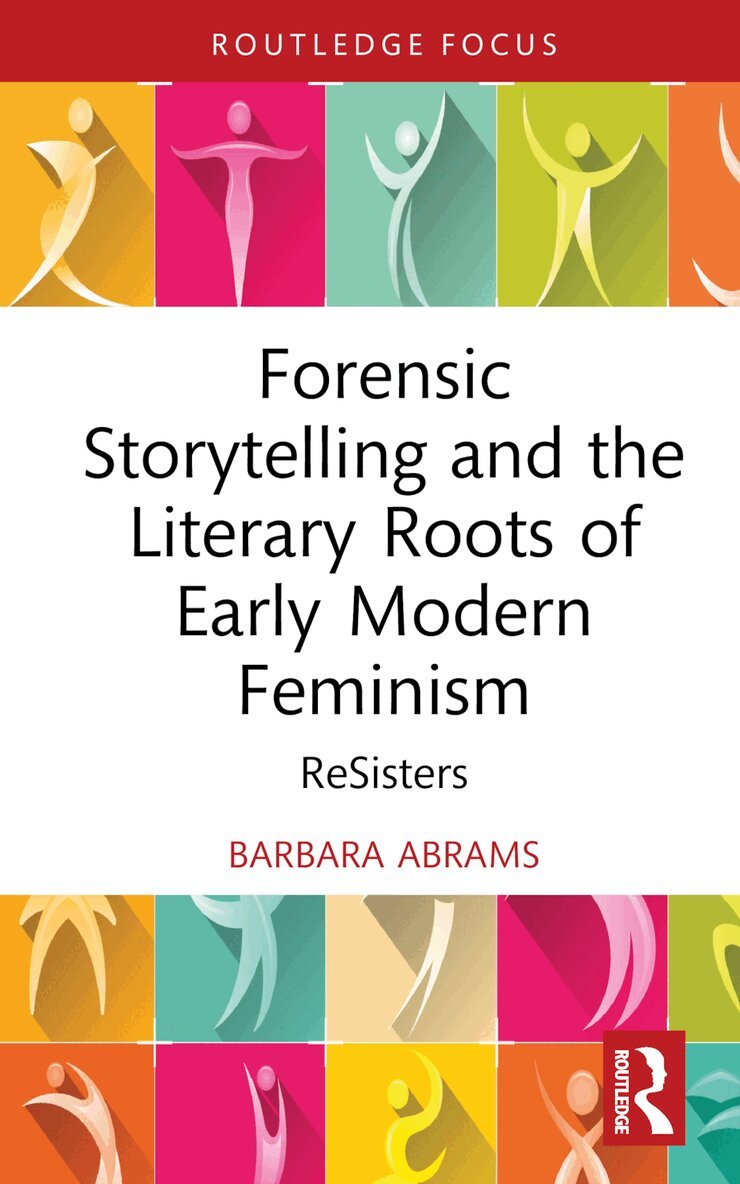
Forensic Storytelling and the Literary Roots of Early Modern Feminism
Barbara Abrams
Inbunden, 2023
1 459 kr
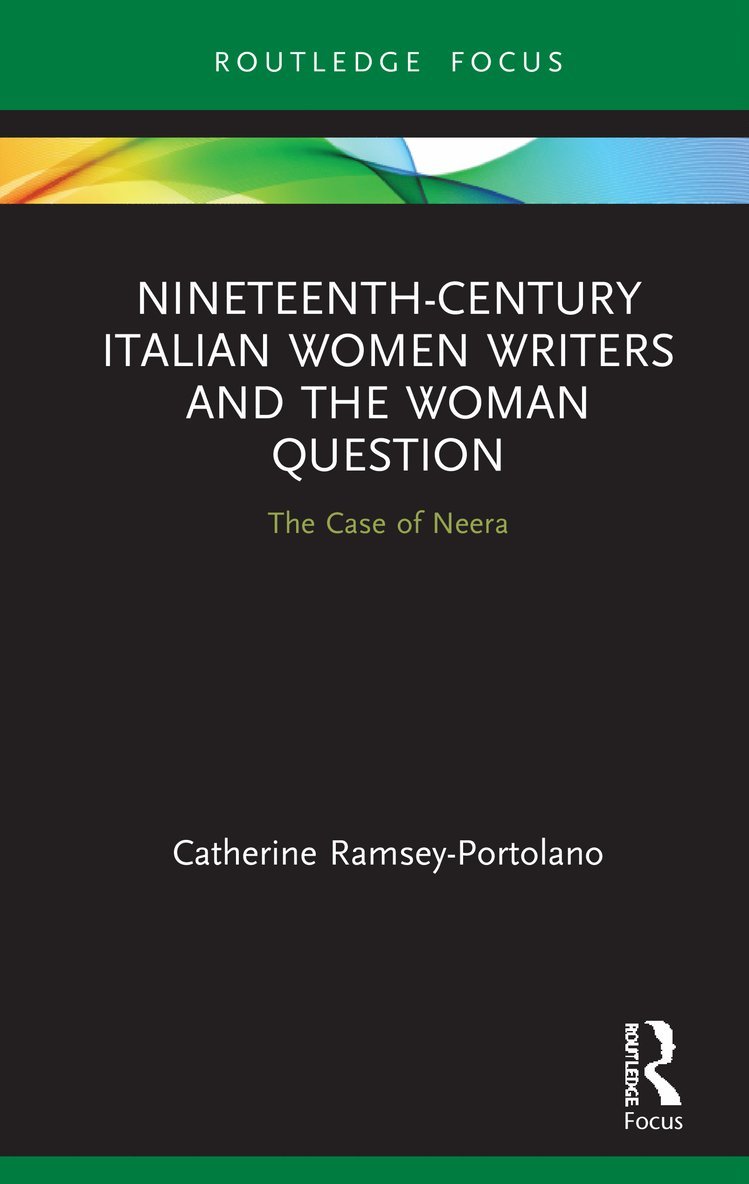
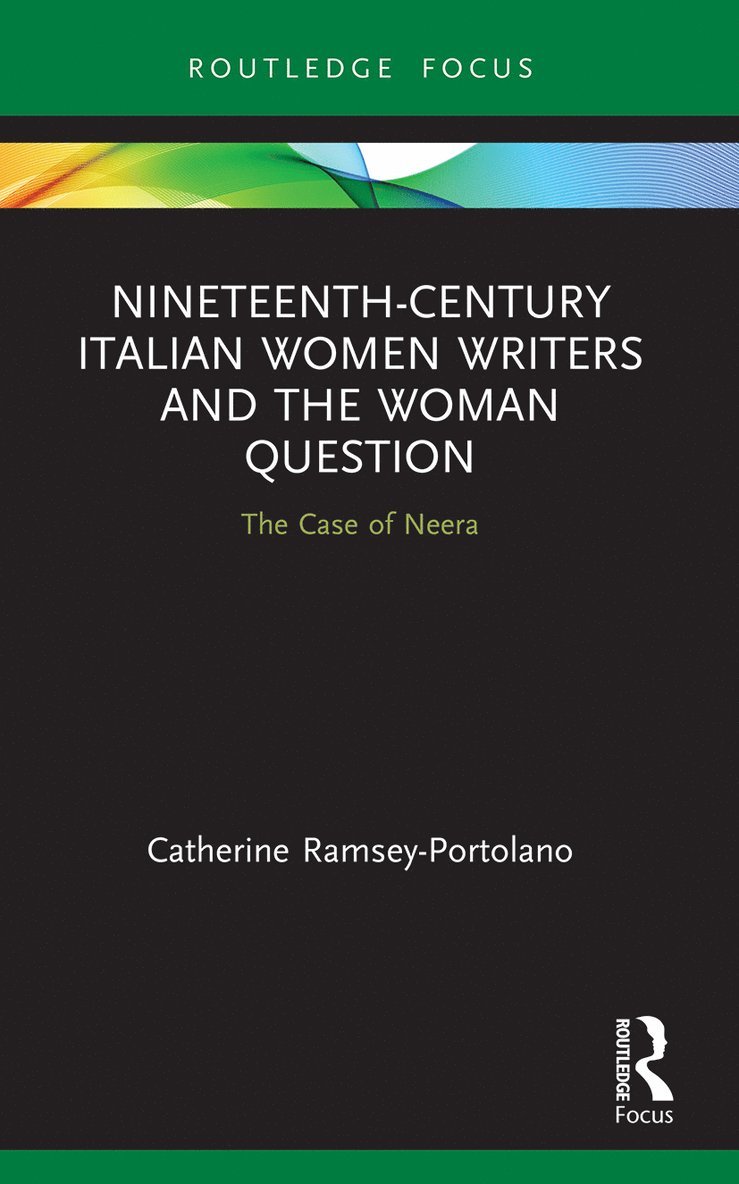
Nineteenth-Century Italian Women Writers and the Woman Question
Catherine Ramsey-Portolano
Inbunden, 2020
1 459 kr
Nineteenth-Century Italian Women Writers and the Woman Question
Catherine Ramsey-Portolano
Häftad, 2022
549 kr
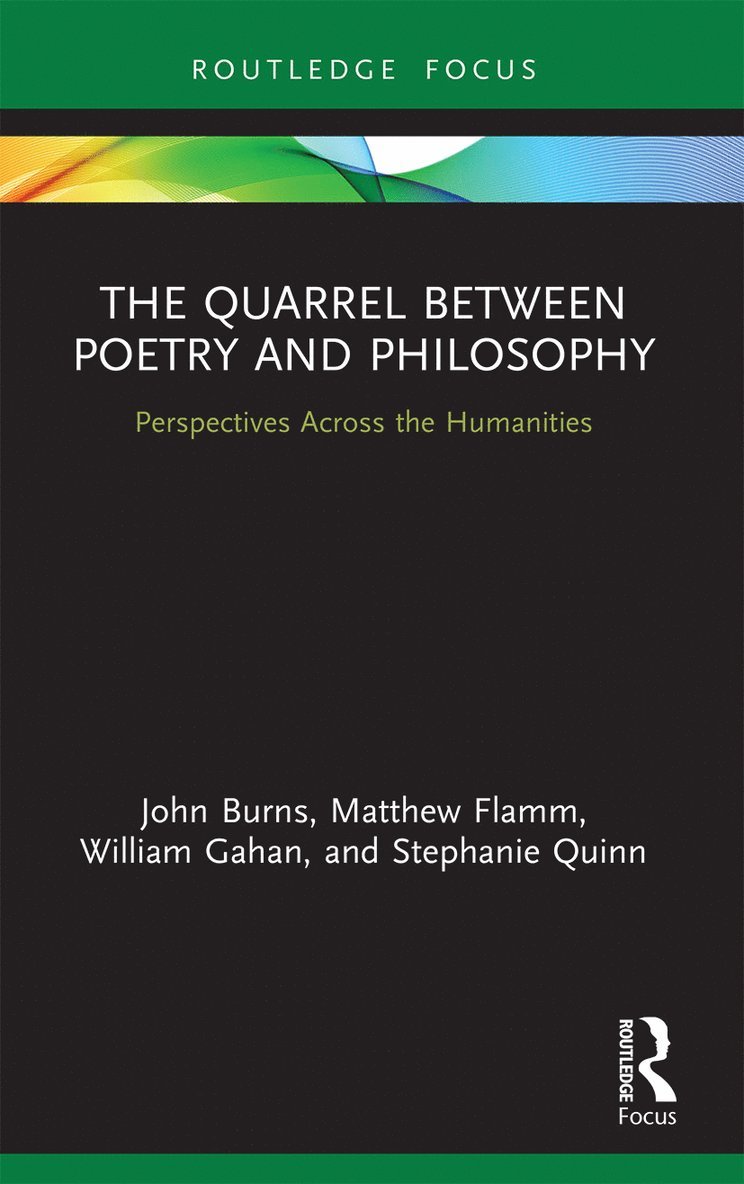
Quarrel Between Poetry and Philosophy
John Burns, Matthew Flamm, William Gahan, Stephanie Quinn
Häftad, 2022
549 kr
Hoppa över listan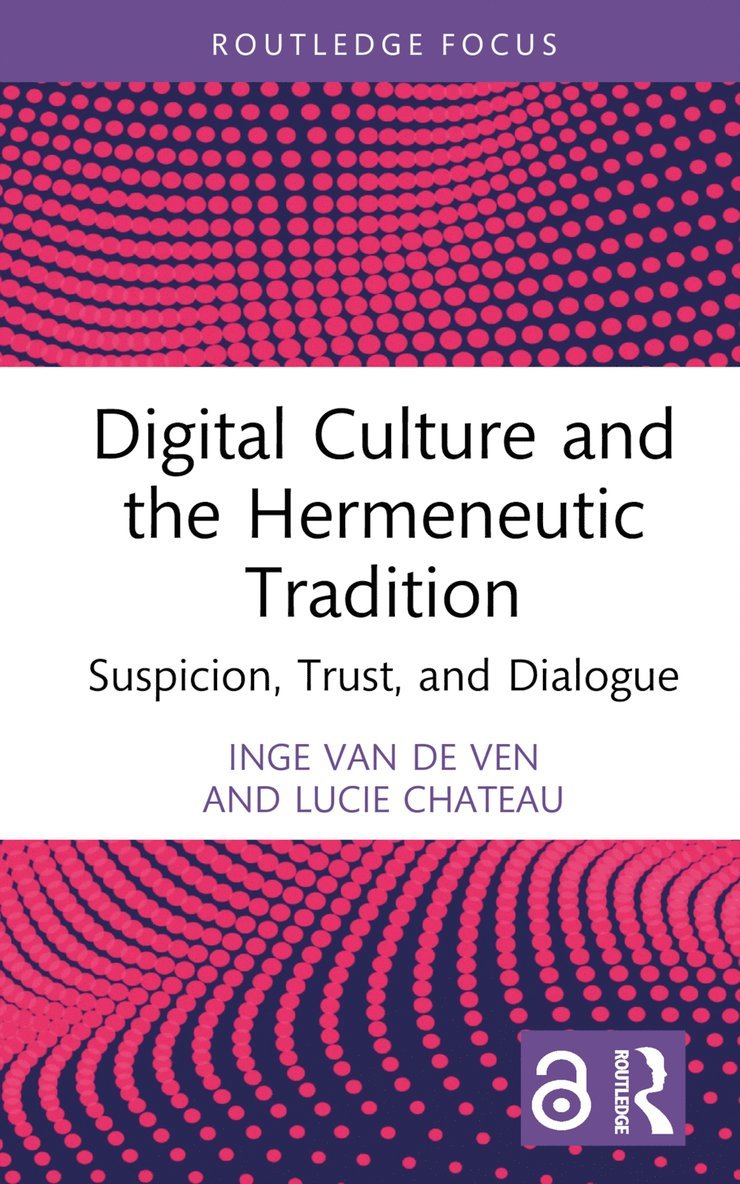







Du kanske också är intresserad av
- Nyhet
Del 3
- Nyhet
Del 11
- Nyhet
- Nyhet
Del 6
Del 2
Del 1
Del 3
- Nyhet
Del 4