
Del i serien Justice, Power, and Politics
Different Shade of Justice
Asian American Civil Rights in the South
Häftad, Engelska, 2020
479 kr
Beställningsvara. Skickas inom 10-15 vardagar. Fri frakt för medlemmar vid köp för minst 249 kr.
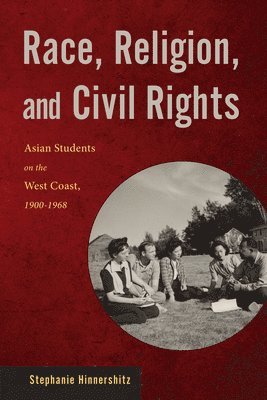
In the Jim Crow South, Chinese, Filipino, Japanese, and, later, Vietnamese and Indian Americans faced obstacles similar to those experienced by African Americans in their fight for civil and human rights. Although they were not black, Asian Americans generally were not considered white and thus were subject to school segregation, antimiscegenation laws, and discriminatory business practices. As Asian Americans attempted to establish themselves in the South, they found that institutionalized racism thwarted their efforts time and again. However, this book tells the story of their resistance and documents how Asian American political actors and civil rights activists challenged existing definitions of rights and justice in the South.From the formation of Chinese and Japanese communities in the early twentieth century through Indian hotel owners' battles against business discrimination in the 1980s and '90s, Stephanie Hinnershitz shows how Asian Americans organized carefully constructed legal battles that often traveled to the state and federal supreme courts. Drawing from legislative and legal records as well as oral histories, memoirs, and newspapers, Hinnershitz describes a movement that ran alongside and at times intersected with the African American fight for justice, and she restores Asian Americans to the fraught legacy of civil rights in the South.
Produktinformation
- Utgivningsdatum2020-08-01
- Mått155 x 233 x 17 mm
- Vikt442 g
- FormatHäftad
- SpråkEngelska
- SerieJustice, Power, and Politics
- Antal sidor296
- FörlagThe University of North Carolina Press
- ISBN9781469661506
Tillhör följande kategorier
Hoppa över listan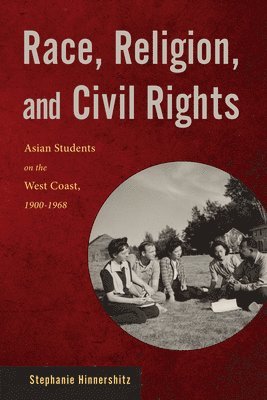








Du kanske också är intresserad av
- Nyhet
Del 3
- Nyhet
Del 11
- Nyhet
Del 6
- Nyhet
Del 4
Del 3
Del 1
Del 2
Del 7