
Dictionary of Hallucinations
Inbunden, Engelska, 2009
4 259 kr
Beställningsvara. Skickas inom 5-8 vardagar. Fri frakt för medlemmar vid köp för minst 249 kr.
Finns i fler format (2)
A Dictionary of Hallucinations is designed to serve as a reference manual for neuroscientists, psychiatrists, psychiatric residents, psychologists, neurologists, historians of psychiatry, general practitioners, and academics dealing professionally with concepts of hallucinations and other sensory deceptions.
Produktinformation
- Utgivningsdatum2009-12-24
- Mått155 x 235 x 41 mm
- Vikt1 116 g
- FormatInbunden
- SpråkEngelska
- Antal sidor553
- Upplaga2010
- FörlagSpringer-Verlag New York Inc.
- ISBN9781441912220
Tillhör följande kategorier
Hoppa över listan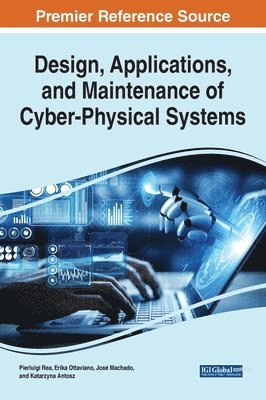






Du kanske också är intresserad av
Design, Applications, and Maintenance of Cyber-Physical Systems
Pierluigi Rea, Erika Ottaviano, José Machado, Katarzyna Antosz
Inbunden, 2021
4 259 kr
Nutrition in Infancy
Ronald Ross Watson, George Grimble, Victor R. Preedy, Sherma Zibadi
Häftad, 2016
4 259 kr
Innovative Management and Business Practices in Asia
Patricia Ordoñez de Pablos, Xi Zhang, Kwok Tai Chui
Inbunden, 2019
4 259 kr
Handbook of Research on Mobile Devices and Smart Gadgets in K-12 Education
Amar Ali Khan, Sajid Umair
Inbunden, 2017
4 259 kr
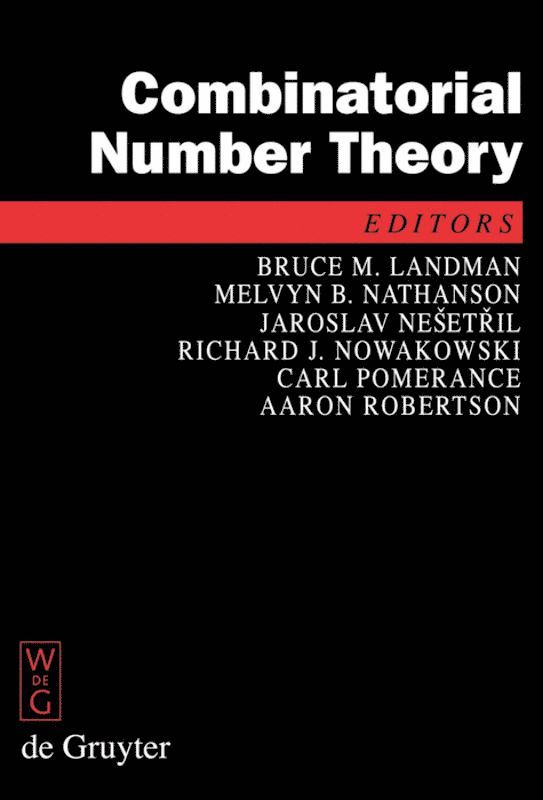
Combinatorial Number Theory
Bruce Landman, Melvyn B. Nathanson, Jaroslav Nešetril, Richard J. Nowakowski, Carl Pomerance, Aaron Robertson
Inbunden, 2009
4 259 kr
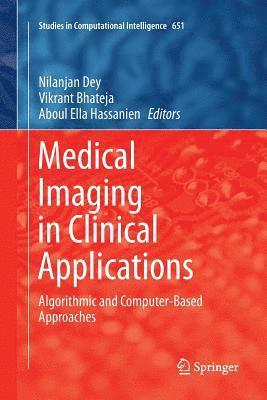
Medical Imaging in Clinical Applications
Nilanjan Dey, Vikrant Bhateja, Aboul Ella Hassanien
Häftad, 2018
4 259 kr
Del 70
Del 34