
Del i serien Practitioner Inquiry Series
Democratic Habits in the Art Classroom
Supporting Student Voice, Choice, and Community
Häftad, Engelska, 2023
569 kr
Beställningsvara. Skickas inom 5-8 vardagar. Fri frakt för medlemmar vid köp för minst 249 kr.
This volume explores the ways in which practicing K–12 art educators can engage with students to develop democratic habits. The contributors present case studies based on action research conducted in their own classrooms as part of their master's in arts education. The text is divided into three sections that correspond to habits the author-teachers cultivated in their classroom: choice, voice, and caring for community. Each author presents real-world examples for development of not only art skills, but also ways of being and interacting that allow humans to contribute meaningfully to the world. Readers will hear from art educators who strive to teach their students ownership and empowerment through problem-solving, independence, and responsibility. This timely book shows how art education is a bastion of freedom in public education, where students and teachers can think and act collaboratively and critically.Book Features:Offers examples of transformative teaching that give students voice, choice, and opportunities to care for community.Provides theory as well as replicable models teachers can use.Addresses the difficulty of balancing student and teacher needs within the politically embattled field of education.Shares the voices of art educators in Midwest classrooms ranging from elementary to high school, rural to urban communities.Contributors: Elizabeth Bloomberg, Jeffery Rufus Byrd, Ashley Cardamone, Kathryn Christensen, Michelle Cox, Jodi Fenton, Samantha Goss, Maddison Maddock, Wendy Miller, Sandra Nyberg, Lauren Roush, Elizabeth Sutton, and Heather Walker.
Produktinformation
- Utgivningsdatum2023-11-24
- Mått156 x 229 x 18 mm
- Vikt272 g
- FormatHäftad
- SpråkEngelska
- SeriePractitioner Inquiry Series
- Antal sidor192
- FörlagTeachers' College Press
- ISBN9780807769003
Tillhör följande kategorier
Hoppa över listan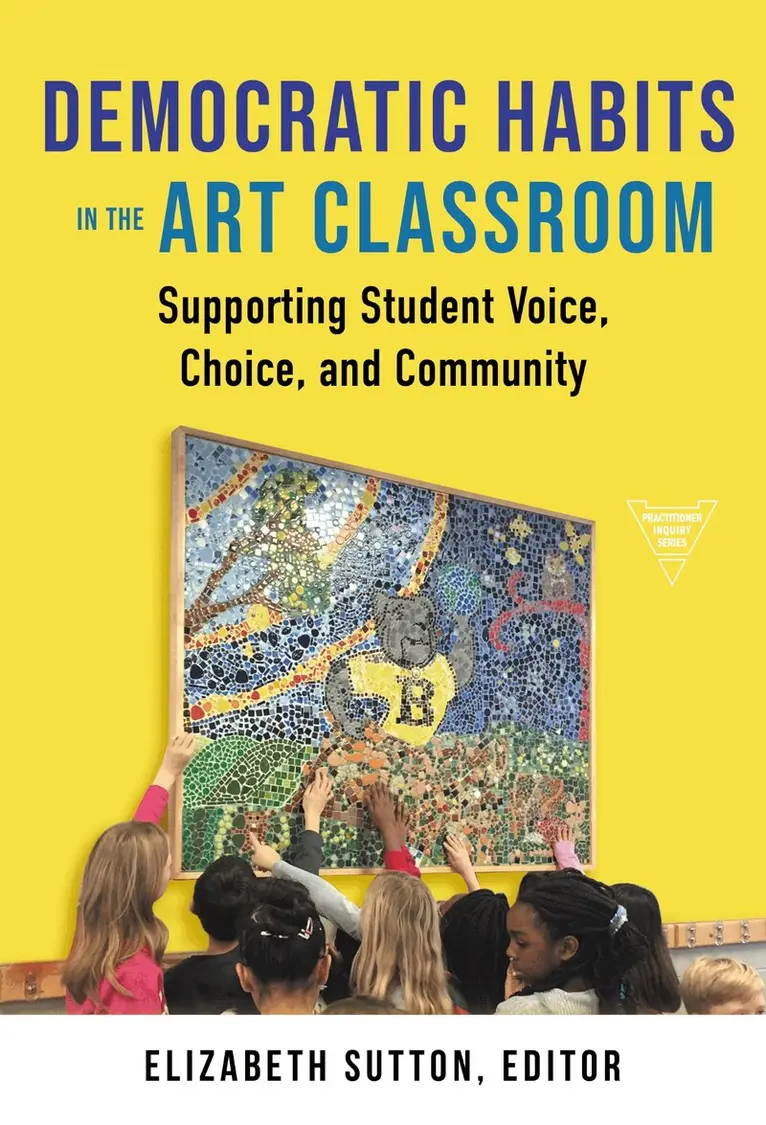

Du kanske också är intresserad av
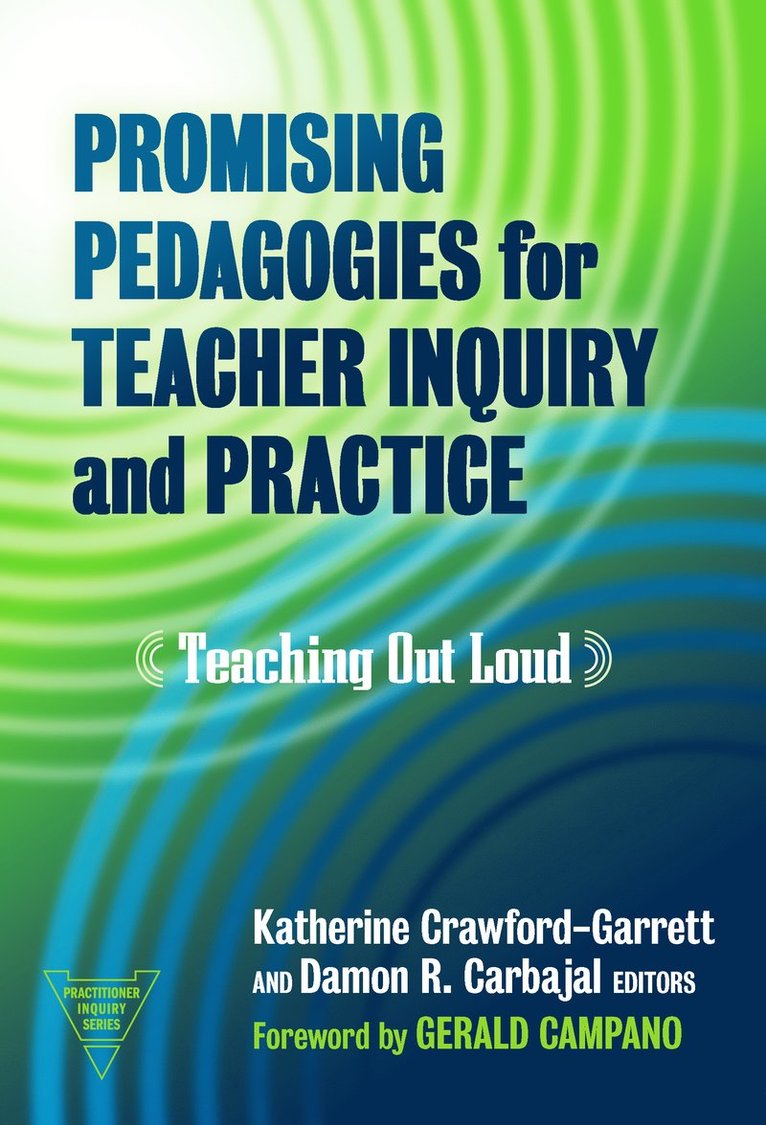
Promising Pedagogies for Teacher Inquiry and Practice
Katherine Crawford-Garrett, Damon R. Carbajal
Häftad, 2023
569 kr
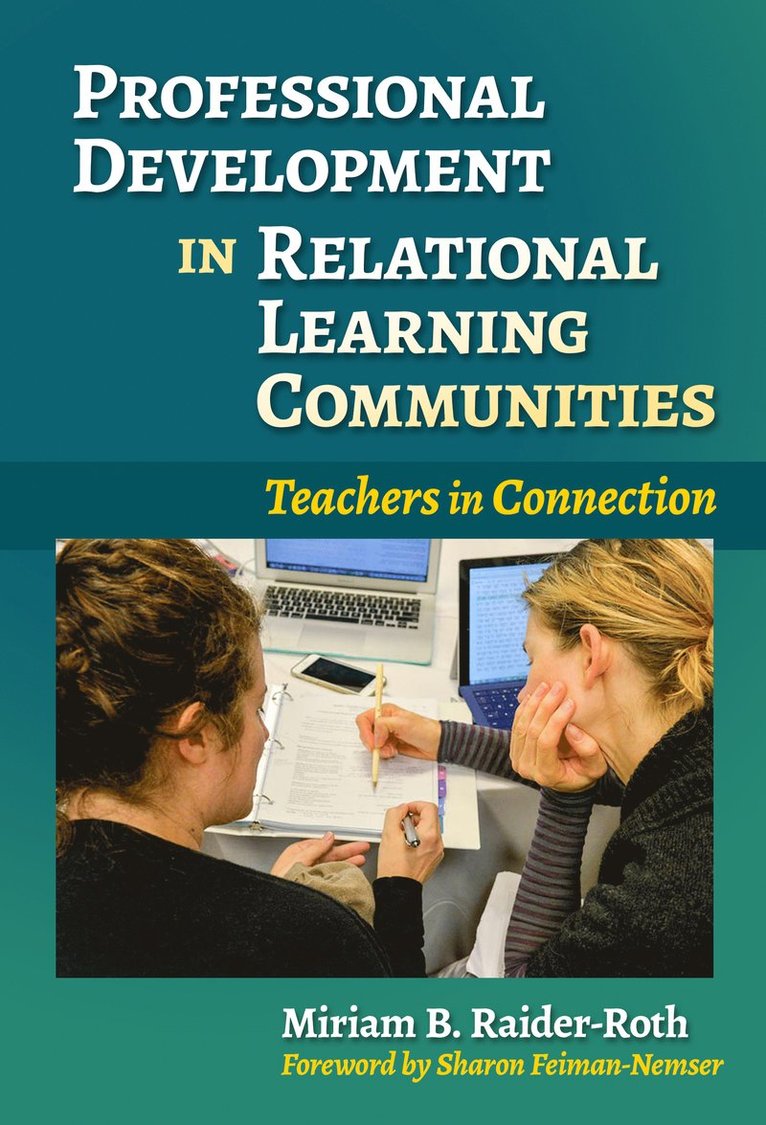
Professional Development in Relational Learning Communities
Miriam B. Raider-Roth, Marilyn Cochran-Smith, Susan L Lytle
Häftad, 2017
549 kr
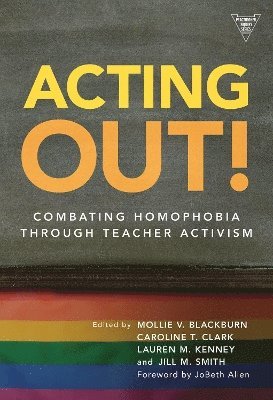
Acting Out: Combating Homophobia Through Teacher Activism
Mollie V. Blackburn, Caroline T. Clark
Häftad, 2009
429 kr