
Del 3 i serien (Post-)Critical Global Childhood & Youth Studies
Decolonizing Environmental Education for Different Contexts and Nations
Häftad, Engelska, 2022
559 kr
Beställningsvara. Skickas inom 5-8 vardagar. Fri frakt för medlemmar vid köp för minst 249 kr.
As Dominant Western Worldviews (DWWs) proliferate through ongoing structures of globalization, neoliberalism, extractive capitalism, and colonialism, they inevitably marginalize those deemed as ‘Other’ (Indigenous, Black, Minority Ethnic, non-Western communities and non-human ‘Others’, including animals, plants, technologies, and energies). Environmental Education (EE) is well-positioned to trouble and minimize the harmful human impacts on social and ecological systems, yet the field is susceptible to how DWWs constrain and discipline what counts as viable knowledge, with a consequence of this being the loss of situated knowledges. To understand the relationships between DWW and situated knowledges and to thread an assemblage of ontological views that exist in unique contexts and nations, authors in this book take up decolonizing methodologies that expand across theories of Indigenous Knowledges (IK), Traditional Ecological Knowledges (TEK), two-eyed seeing, hybridity, and posthumanism. As EE opens to emplaced and situated socio-cultural and material stories, it opens to opportunities to attend more meaningfully to planetary social and ecological crisis narratives through contingent, contextualised, and relevant actions.
Produktinformation
- Utgivningsdatum2022-05-31
- Mått150 x 225 x 15 mm
- Vikt388 g
- FormatHäftad
- SpråkEngelska
- Serie(Post-)Critical Global Childhood & Youth Studies
- Antal sidor254
- Upplaga22001
- FörlagPeter Lang Publishing Inc
- ISBN9781433191749
Tillhör följande kategorier
Hoppa över listan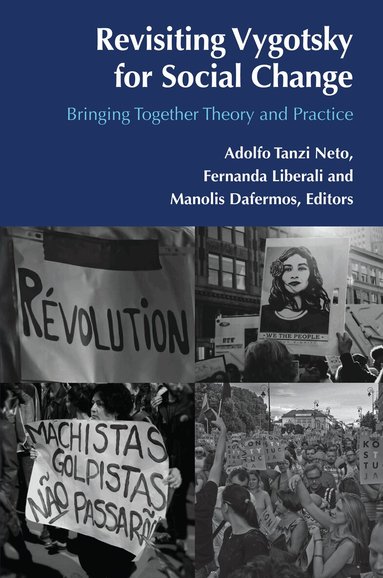


Mer från samma serie
Del 2
Revisiting Vygotsky for Social Change
Adolfo Tanzi Neto, Fernanda Liberali, Manolis Dafermos
Inbunden, 2020
1 549 kr
Del 2
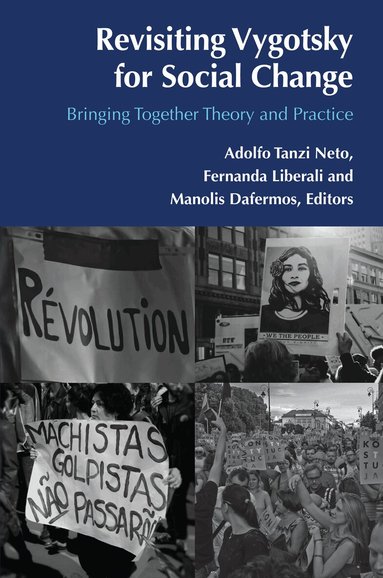
Revisiting Vygotsky for Social Change
Adolfo Tanzi Neto, Fernanda Liberali, Manolis Dafermos
Häftad, 2020
439 kr
Del 4
Beyond Adaptation
Till Manderbach, Johanna Ruge, Peter Brook, Eileen Wengemuth, Sigga Waleng
Häftad, 2024
619 kr
Del 1
Facing Poverty and Marginalization
Michalis Kontopodis, Maria Cecília Camargo Magalhães, Maria José Coracini
Häftad, 2016
619 kr
Hoppa över listan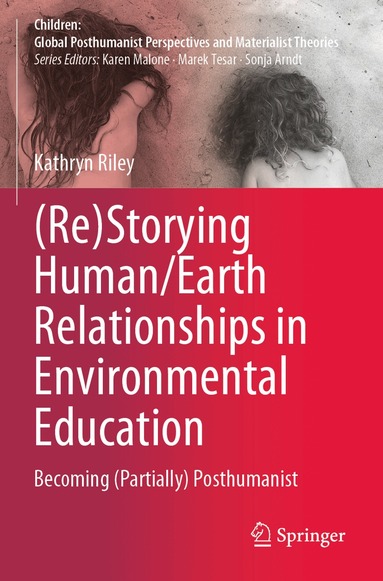
Du kanske också är intresserad av
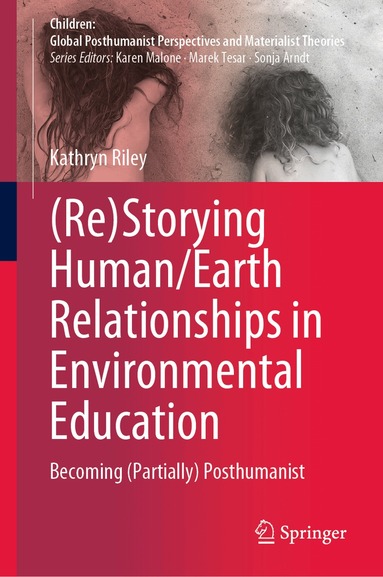
(Re)Storying Human/Earth Relationships in Environmental Education
Kathryn Riley
Inbunden, 2023
2 019 kr
Del 2
Revisiting Vygotsky for Social Change
Adolfo Tanzi Neto, Fernanda Liberali, Manolis Dafermos
Häftad, 2020
439 kr